-

·
A Hub for Conservation and Ranching on Montana’s North-Central Grasslands
Providing livestock with consistent water is often one of the biggest challenges faced by ranchers in the West. Opportunities to do so are thin on the ground and become even thinner throughout the summer, especially in a drought year like the one experienced in north-central Montana in 2021. Tyrel Obrecht, who operates the Louie Petrie…
-

·
North American Wetlands Conservation Act
Protecting, restoring and enhancing wetland habitats for birds since 1989. In the past two decades, the North American Wetlands Conservation Act (NAWCA) has funded over 3,300 projects projects for over 7,000 partners, conserving more than 32.6 million acres of vital habitat. These efforts have been made possible through $2.28 billion in grants and an additional…
-
·
Klamath Basin Farming and Wetlands Coalesce in RCPP
The U.S. Department of Agriculture (USDA) announced last week that it is investing $3.8 million in the Klamath Basin Farming and Wetland Collaborative project in the Klamath Basin through the Natural Resources Conservation Service (NRCS) Regional Conservation Partnership Program (RCPP). This investment will bring some much-needed relief to farmers and migratory birds over the next…
-

·
The Common Thread: People and the Rio Grande
The Intermountain West Joint Venture and Water 4 are pleased to present a new video highlighting the Rio Grande corridor in Colorado’s San Luis Valley and in Central New Mexico. Called “The Common Thread: People and the Rio Grande,” the video explores the importance of looking across boundaries to conserve the working landscapes that help…
-
·
Pacific Flyway Integrated Landscape Conservation
This report details the development of new science to support cross IWJV and Central Valley Joint Venture conservation planning and implementation. Work will identify emerging ecological bottlenecks by examining long term effects of climate change and land use practices influencing patterns of wetland resiliency and waterbird habitat availability supporting populations in the Pacific Flyway. This science project…
-

·
SONEC: Dynamic Wetland Resources
The availability of surface water and wetland resources are highly dynamic in the western US. Until recently, broad-scale efforts to conserve wetland habitats for migratory birds have been unable to account for patterns of seasonal wetland dynamics that link the timing of wetland availability (i.e. flooding) to the chronology of bird migrations through landscapes. To…
-

·
What is NAWCA? And is it Right for Your Project?
If you have questions about the North American Wetlands Conservation Act (NAWCA) and its Standard and Small Grants programs, here’s a decision-making tool that will help you learn a little more. NAWCA was signed into law in December of 1989 as a new continental conservation funding mechanism and has played a critically important role in…
-

·
Conservation of New Mexico’s riparian and wetland ecosystems
This is a proposal for science monitoring seasonal surface water availability in New Mexico. New Mexico Wetlands Proposal Despite encompassing a small fraction of the landscape (< 2%), riparian systems in arid regions act as keystone features that concentrate biological diversity. These habitats are particularly important to waterbirds during migration and act as critical resting…
-

·
The Fragile Flyway: Video from Water 4
Communities of people, waterbirds, and wildlife in Colorado’s San Luis Valley and central New Mexico are linked by the life-giving waters of the Rio Grande. Wetlands along the Rio Grande and throughout the Intermountain West are increasingly scarce, with only 2 percent of this historical range remaining. These habitats are typically associated with irrigated agriculture and…
-

·
Completing the Puzzle for Pacific Flyway Waterbird Habitat Conservation
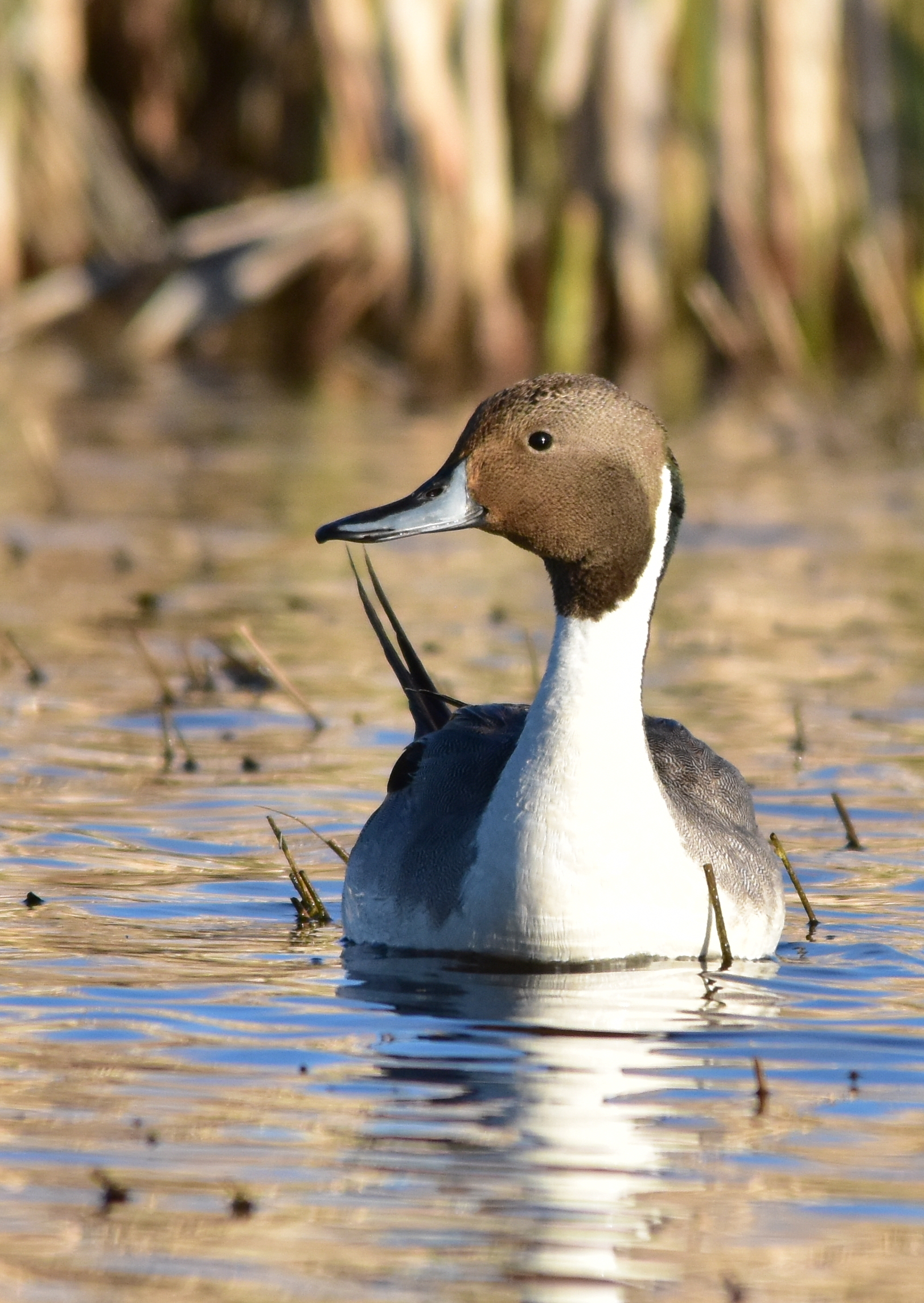
Photo by Leslie Morris. As the weather warms and days grow longer each spring, the Northern pintails of the Pacific Flyway stretch their wings and heed their names. Leaving their wintering grounds in the rice fields of California’s Central Valley, the pintails fly north to take advantage of the wet meadows in the Southern…
