-
·
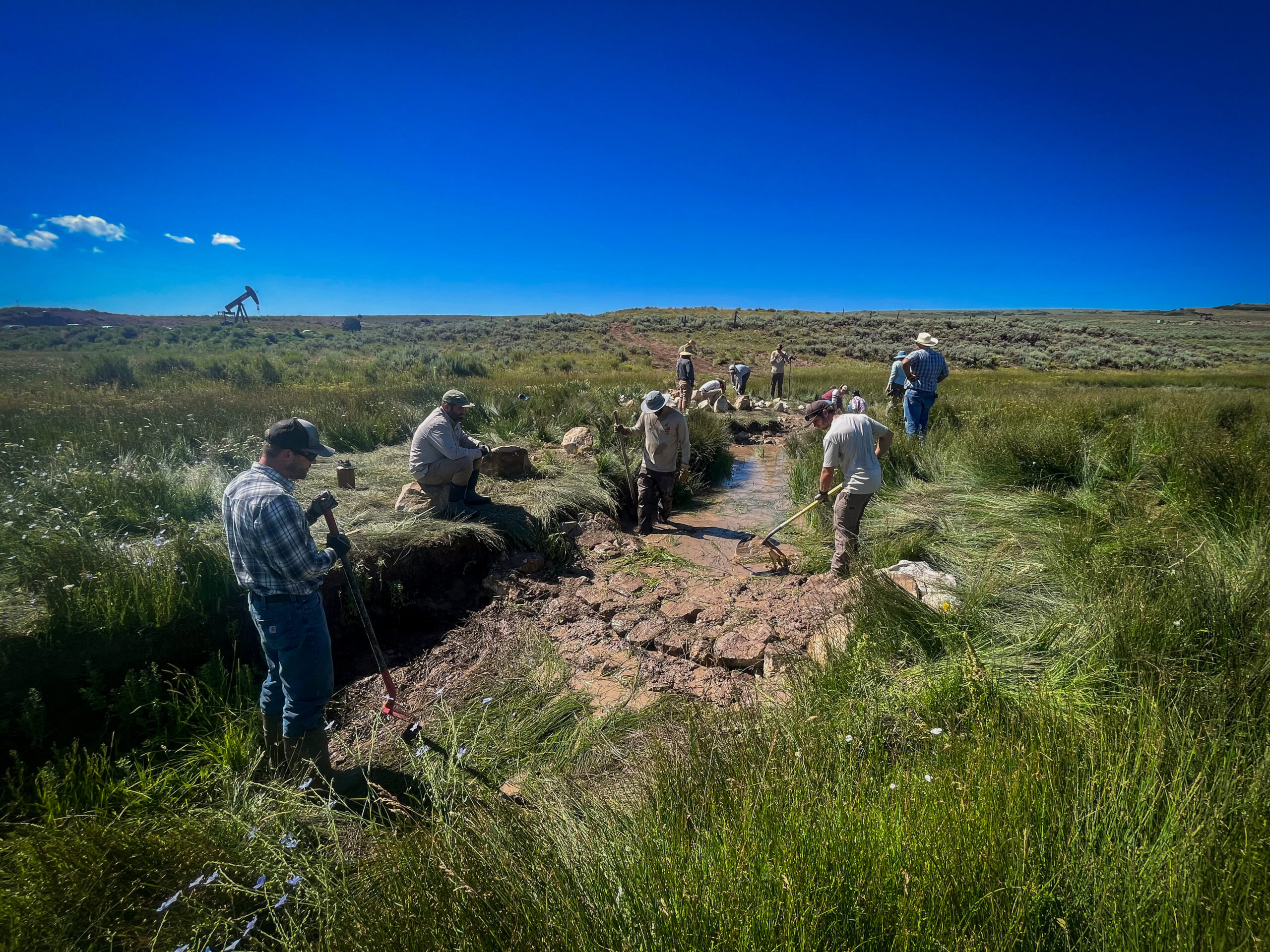
Stitching the Landscape Back Together
In 2021, the Biden Administration committed $10 million per year over the next five years under the Bipartisan Infrastructure Law (BIL) to the U.S. Fish and Wildlife Service (USFWS) for sagebrush ecosystem restoration. To implement this funding for priority projects such as mesic habitat restoration, which helps retain needed water on sagebrush landscapes longer, the…
-
·
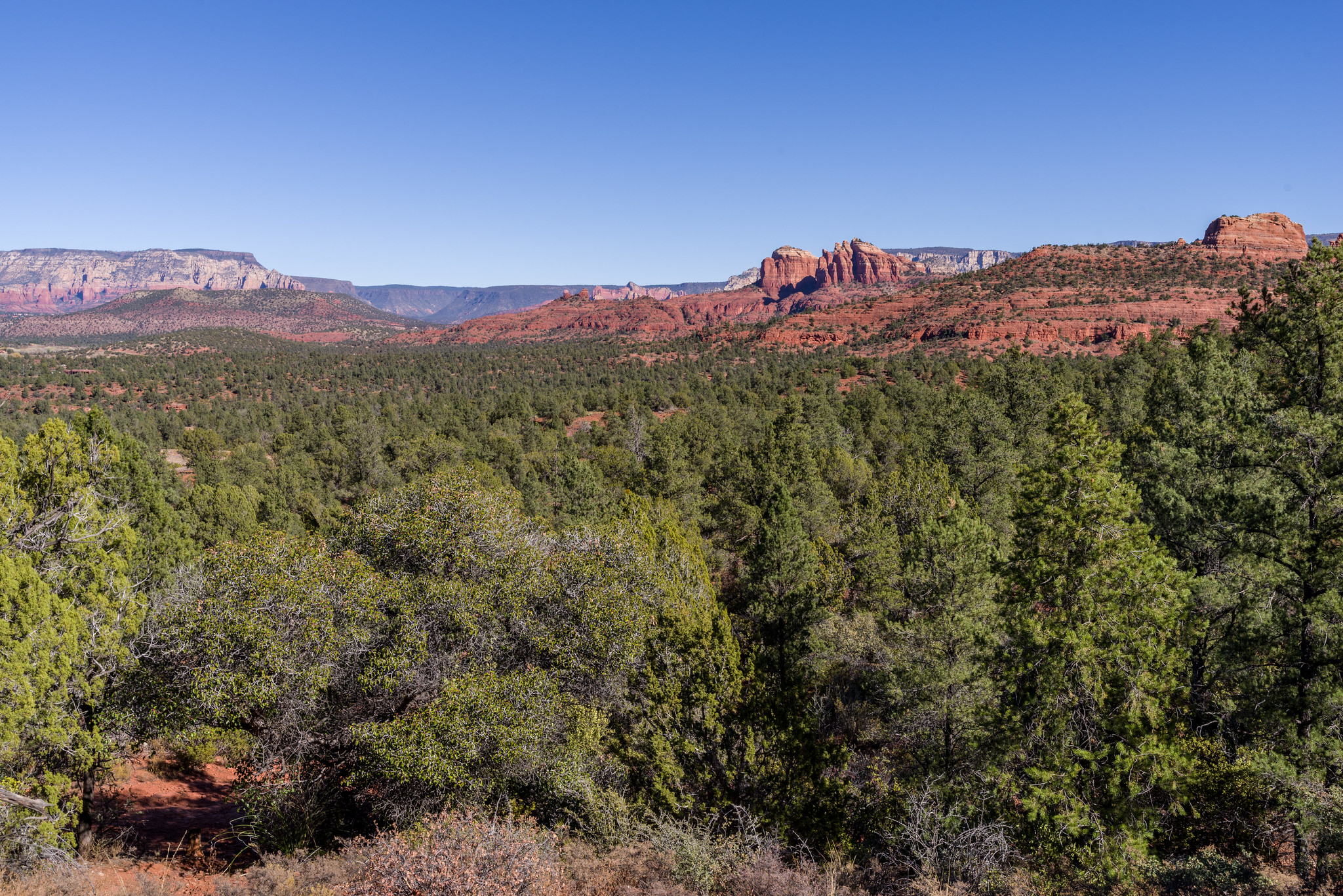
New Report Compiles Knowledge on Climate Resilience of Pinyon-Juniper Woodlands
This article was originally published in the Bureau of Land Management’s internal newsletter, the BLM Daily, on August 14, 2023. Pinyon-juniper woodlands are incredibly complex and fascinating places that have recently been receiving a lot of attention. A highly diverse ecosystem of 100 million acres, “PJ” is often used to describe such diverse habitat types as…
-
·
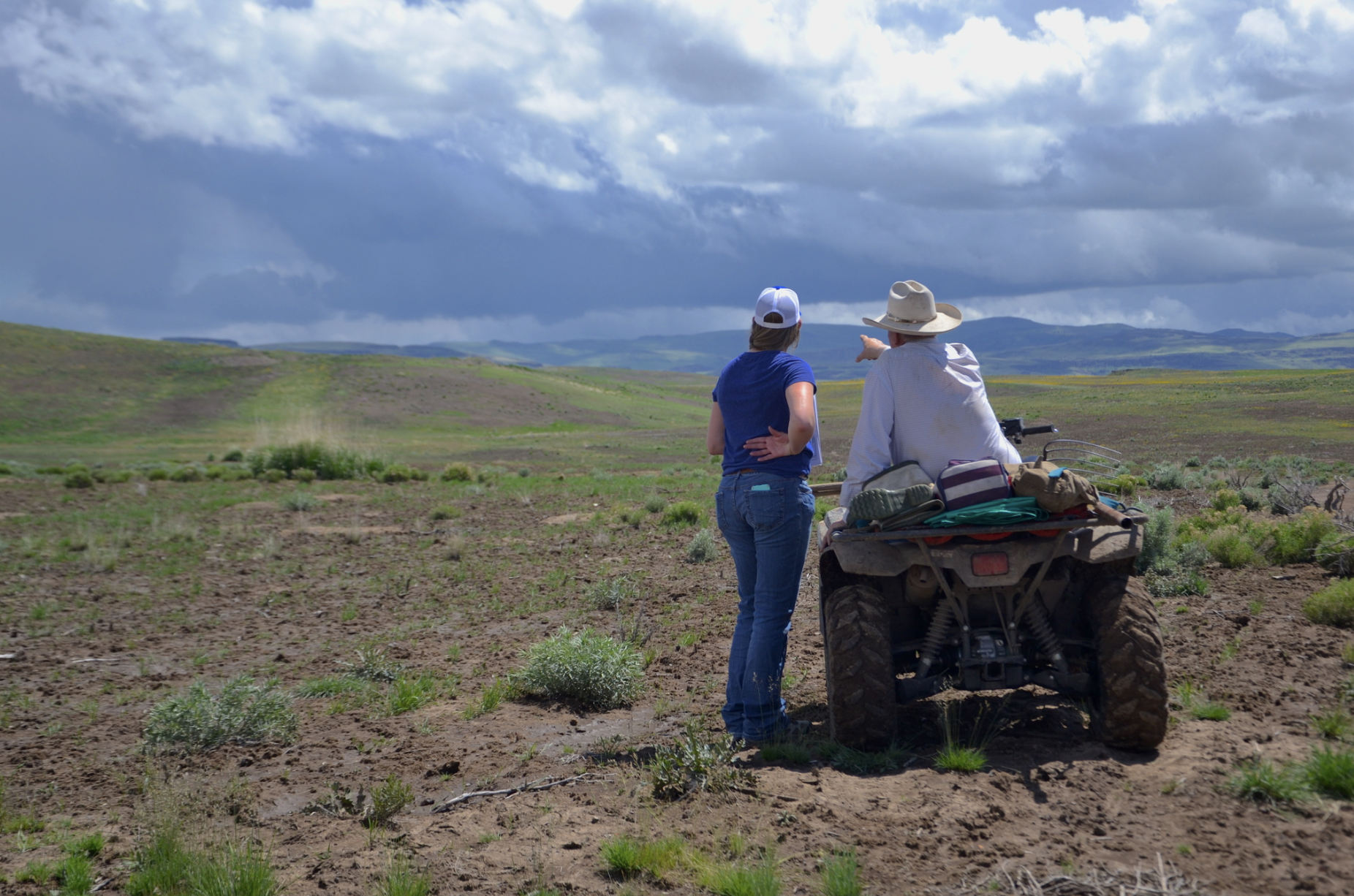
Fueling Conservation, New Agreement Around Wildfire Management and Restoration
Partner engagement is needed to implement new fuels and fire management agreement between the Bureau of Land Management and Intermountain West Joint Venture. Building on seven years of success founded on innovative intra-agency agreements, the Bureau of Land Management (BLM) and Intermountain West Joint Venture (IWJV) are kicking off the next level of their partnership.…
-
·
Intermountain Insights: Climate Resilience in Persistent Pinyon-Juniper Woodlands
Pinyon-juniper woodlands are ubiquitous across the Intermountain West and important to many–from Tribal Nations and recreationists to pinyon jays and mule deer. However, concern has arisen among researchers and managers about their vulnerability to a warming and drying climate. Managers have indicated that they often lack the information needed to guide climate-smart management in woodland…
-
·
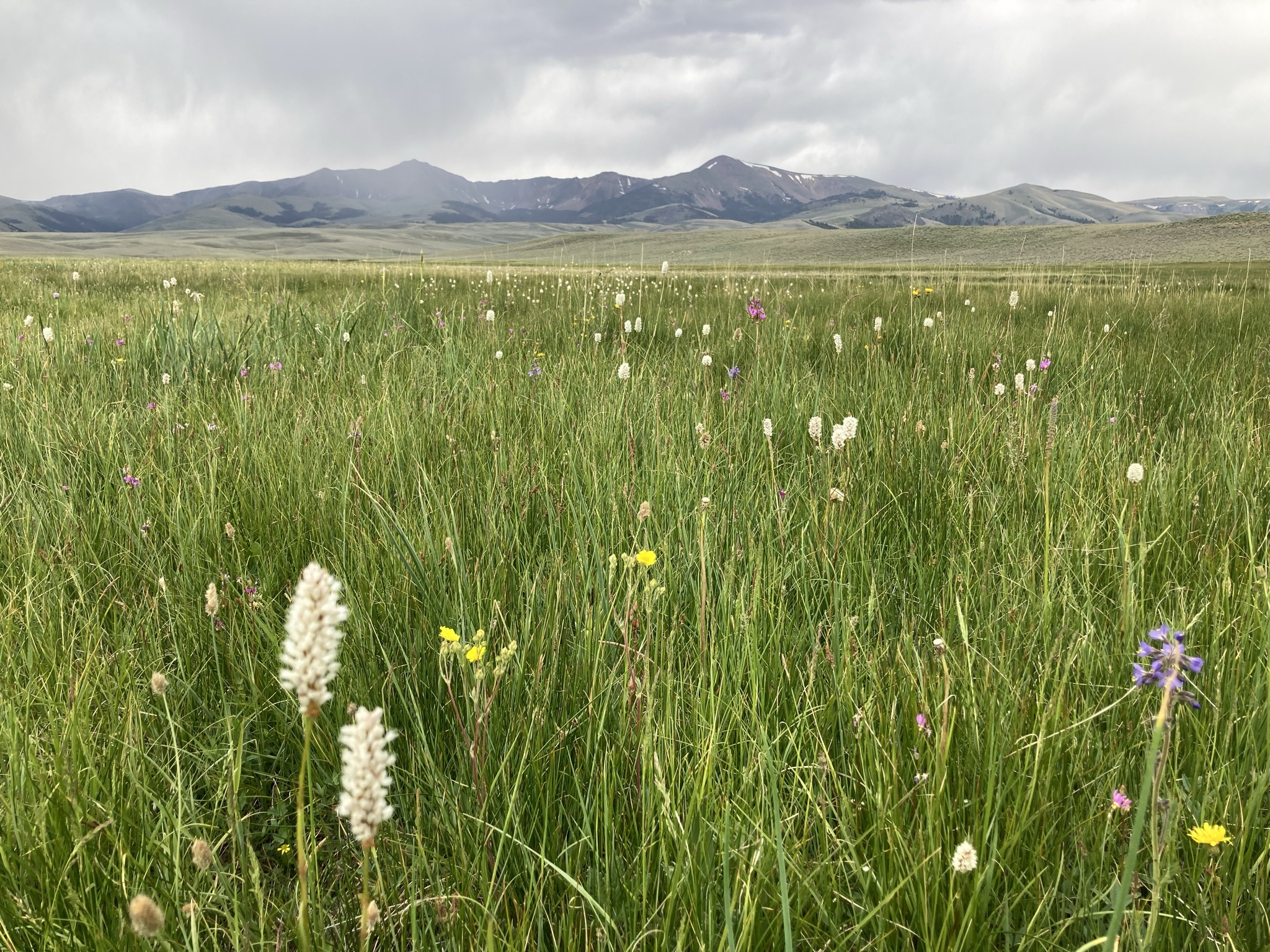
Wetland Evaluation Tool
ABOUT THE WETLAND EVALUATION TOOL (WET) To understand how wetland drying is affecting the Intermountain West, IWJV researchers are using satellite imagery to monitor the timing and duration of seasonal flooding on both natural and agricultural wetland habitats (the latter being primarily flood-irrigated hay or grain fields flooded postharvest) from the mid-1980’s to the present-day.…
-
·
Utah Low-Tech Wet Meadow Restoration: Virtual Workshop
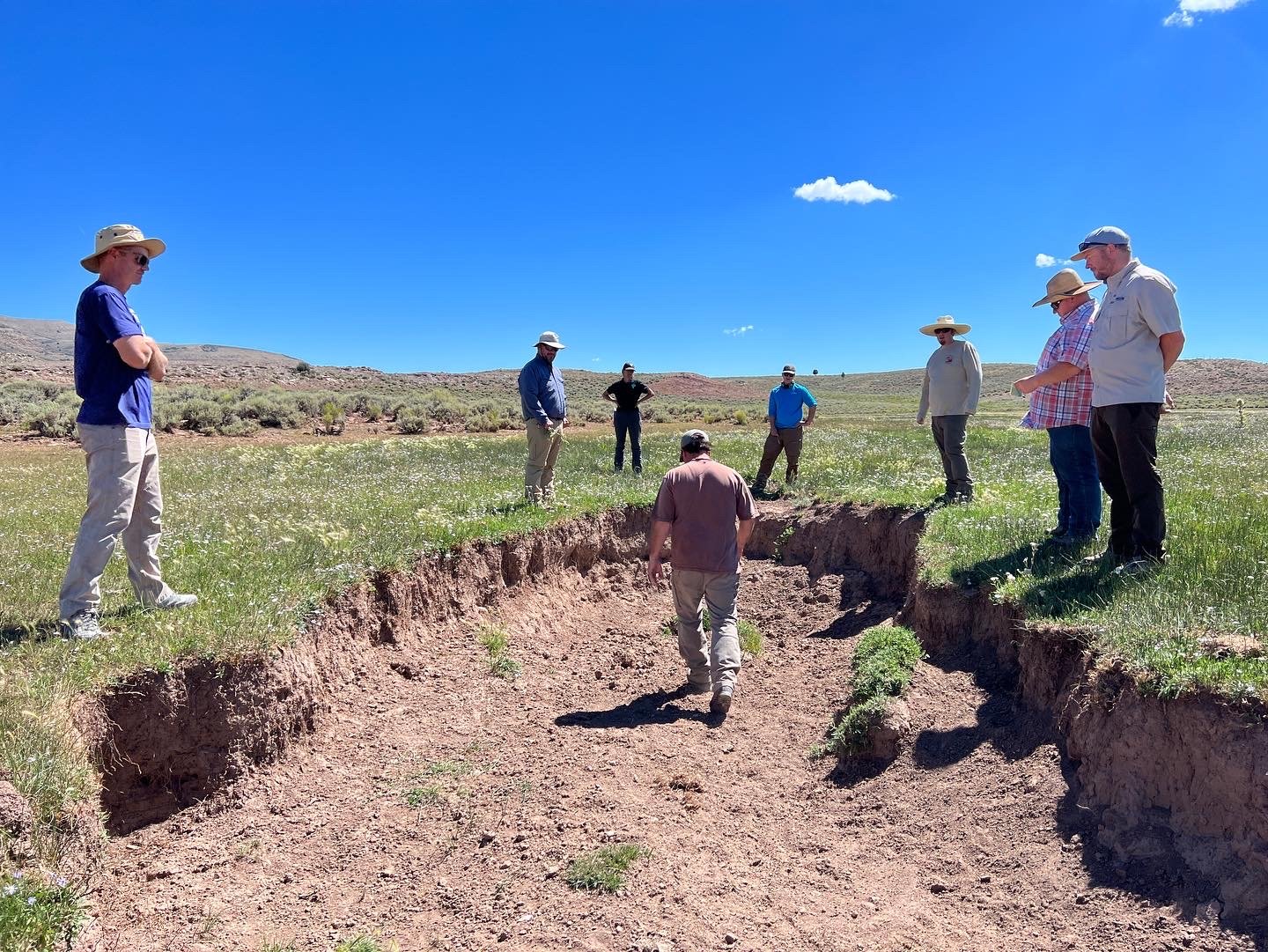
Thank you for attending this virtual workshop! If you missed this live event, please see all of the recorded modules below. Wet or mesic meadows are rare but disproportionately important ecosystems in Utah. Gully erosion and channel incision are widespread problems reducing natural resiliency and water storage capacity, which is impacting wildlife and working lands.…
-
·
Utah Low-Tech Restoration Resources
Webinar Powerpoint & Presentation Material Zeedyk Planning and Technique Resources Mapping Tools Example Environmental Assessments (EAs) People and Places Videos
-

·
Big Changes for NAWCA in FY 2024
In January 2023, the North American Wetland Conservation Grant Program announced significant changes to its programs that will go into effect the first funding cycle of Fiscal Year 2024. Major Changes/Updates See a PDF of this list here. The following items are no longer required on the Project Officer’s Page: Regional Information: List of State(s)…
-
·
New Report: Improving Climate Resilience of Persistent Pinyon-Juniper Woodlands
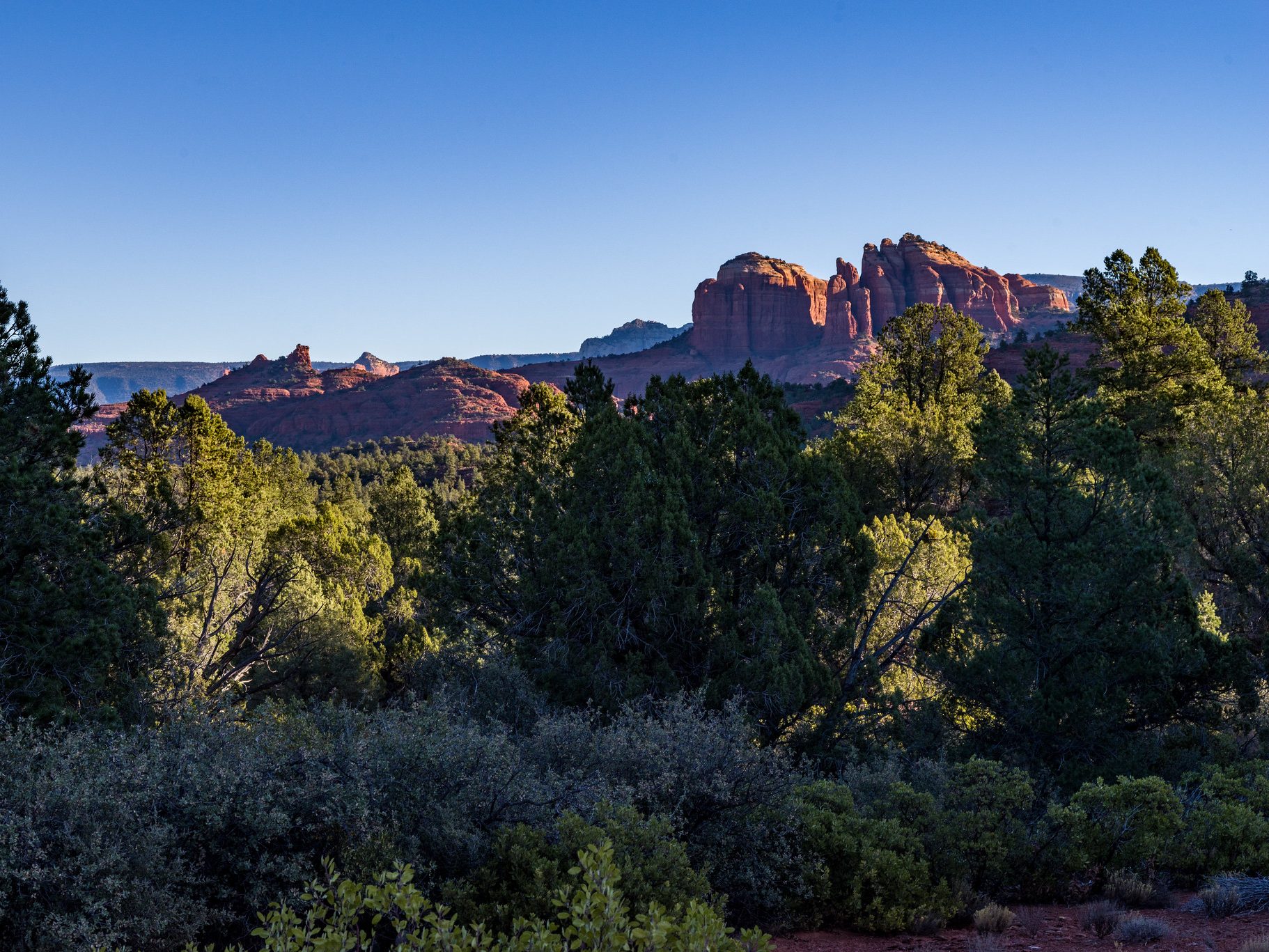
As climate change increasingly shapes western ecosystems—with events from frequent and severe wildfires to enduring droughts—managers need evidence-based approaches they can rely on to strengthen ecosystem climate resilience into the future. Pinyon-juniper woodlands are ubiquitous across the Intermountain West and important to many–from Tribal Nations and recreationists to pinyon jays and mule deer. However, concern…
-
·
New Study: Vegetation Trends Across BLM Allotments Over 30 Years
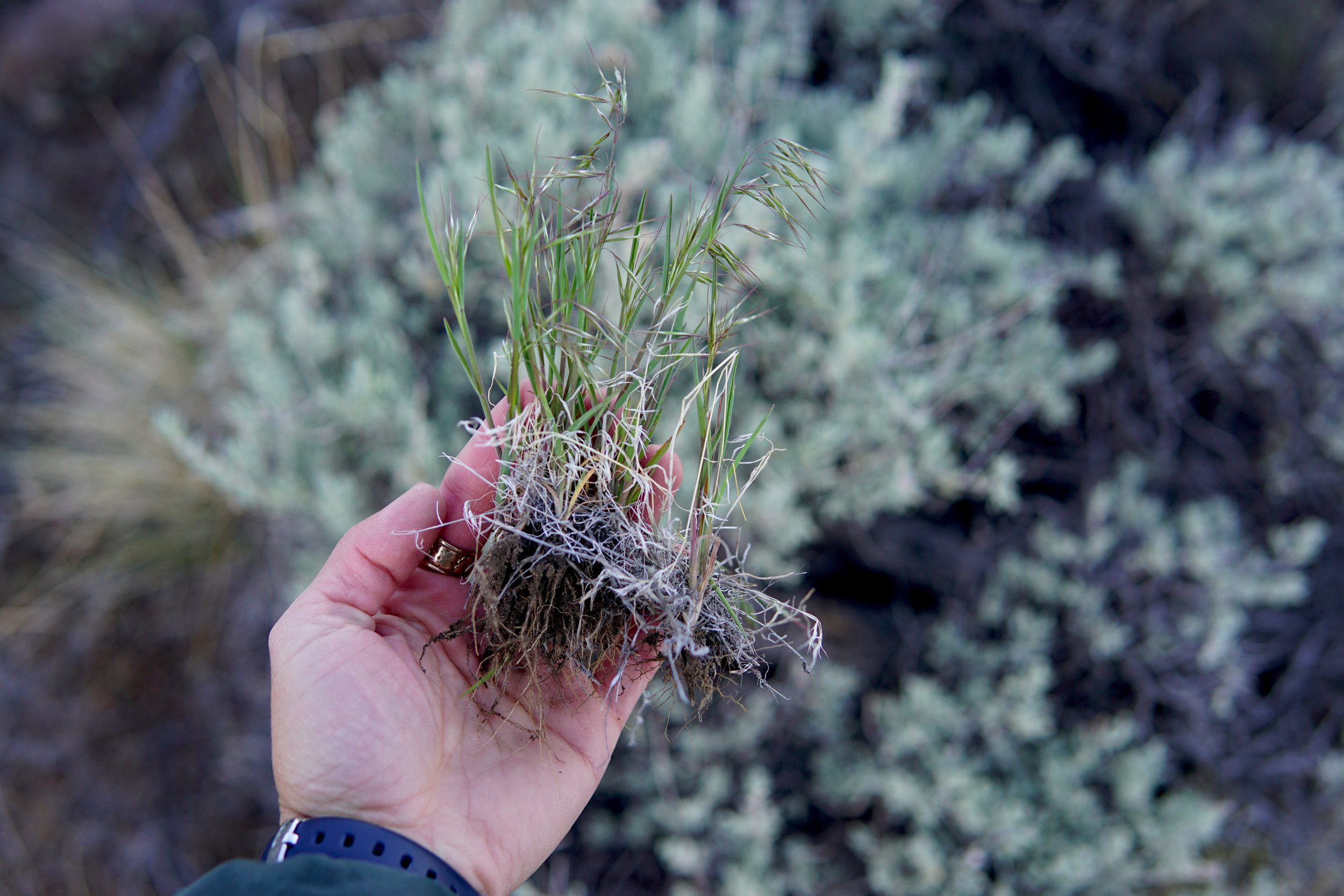
Keeping a close eye on plant life across millions of acres of public lands allotments is an overwhelming challenge in and of itself. The challenge is amplified by drought, aridification, and increasing environmental as well as social challenges. Yet, new research provides land managers insight into just how they can get a handle on how…
