-

·
A Moment of Harvest, Gratitude, and Change at the IWJV
By Ali Duvall It’s the time of year when we, like many cultures before us, harvest through the hunt, stock up for winter, and celebrate rebirth and renewal. In welcoming the change of seasons, we wanted to share the news that October 28th marked my last day with the IWJV. With deep gratitude, I…
-

·
Regional Shorebird Surveys Provide a Look at Changing Habitat Around the West
Guest Article by Max Malmquist, Saline Lakes Outreach Associate, National Audubon Society, and Blake Barbaree, Senior Waterbird Ecologist, Point Blue Conservation Science This past August, hundreds of volunteers, non-profit biologists, and state and federal agency staff grabbed their binoculars, spotting scopes, and bird identification guides to do something that hadn’t been done in almost…
-
·
Sagebrush Conservation Design Released
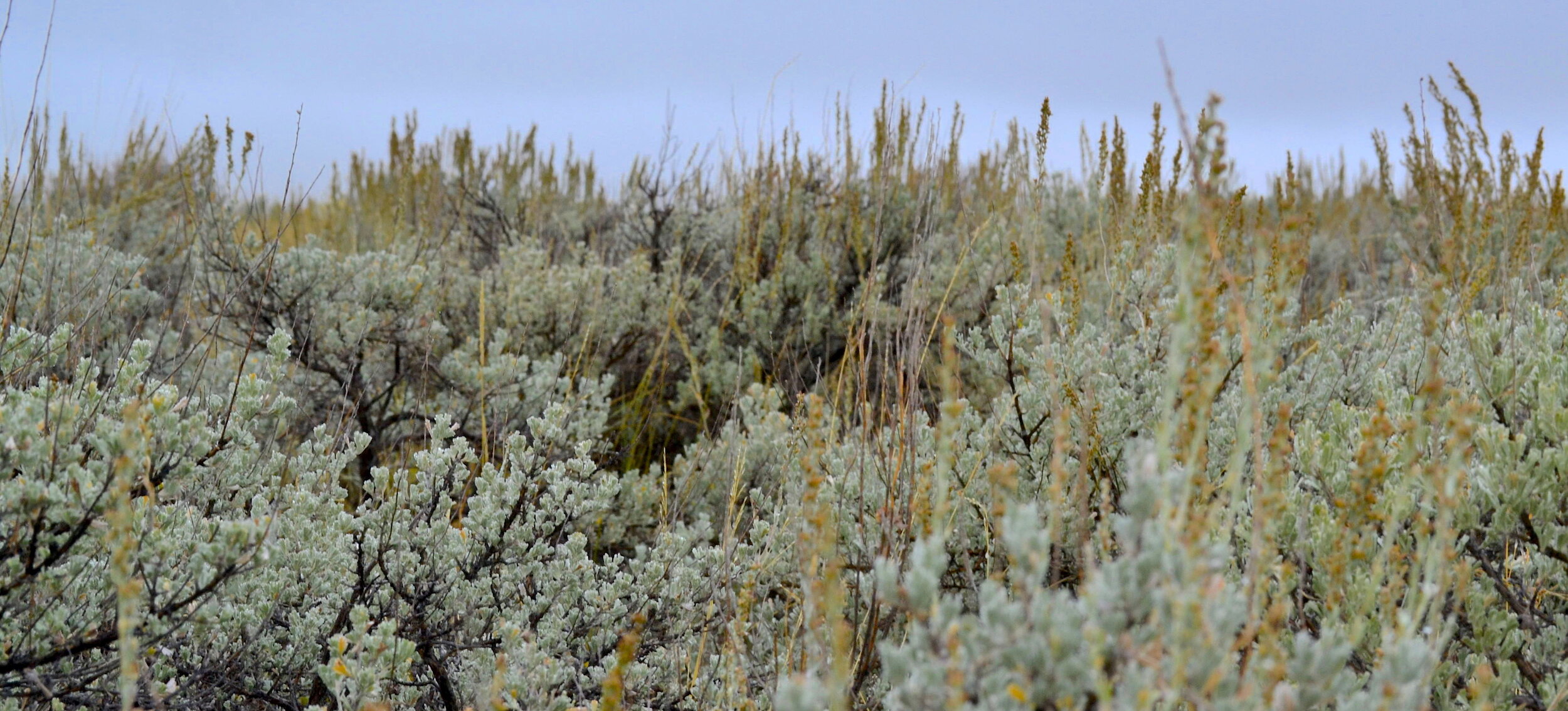
September 22, 2022 This week the U.S. Geological Survey and other federal agencies released a report showing a staggering 1.3 million acres of sagebrush habitat are being lost annually. Called “A Sagebrush Conservation Design Framework to Proactively Restore America’s Sagebrush Biome,” this new body of science uses some of the latest mapping tools to identify…
-

·
On the Arizona Strip with IWJV’s Sage Capacity Team
Perhaps no partnership of field-based individuals has had the breadth of impacts on the sagebrush biome as IWJV’s Sage Capacity Team (SCT). During the week of May 16th, the SCT convened in St. George, Utah, and after more than two years of virtual meetings many SCT members were meeting in person for the first time.…
-

·
The Right Work, At the Right Time, By the Right People: 2021 Conservation Partner Award
Throughout their careers, Jay Gibbs and Kevin Conroy have been instrumental in the development and success of the Oregon Natural Resources Conservation Service (NRCS) Innovative and Strategic Approach to Conservation. As Oregon NRCS Basin Team Leaders, both Gibbs and Conroy contributed to the strategic and administrative leadership for NRCS operations in their respective basins (Gibbs…
-

·
Updates to Outcome-Based Grazing Program Shared in New Webinars
The Bureau of Land Management’s (BLM’s) Outcome-Based Grazing program continues to grow in exciting directions. During this year’s virtual Society for Range Management Annual Meeting, the BLM shared updates from the program through a series of virtual webinars. Through a 7-part series, the BLM National Lead for the Outcome-Based Grazing Initiative, Kathryn Dyer, provided audiences…
-
·
Intermountain Insights: White-Faced Ibis and Water in the West
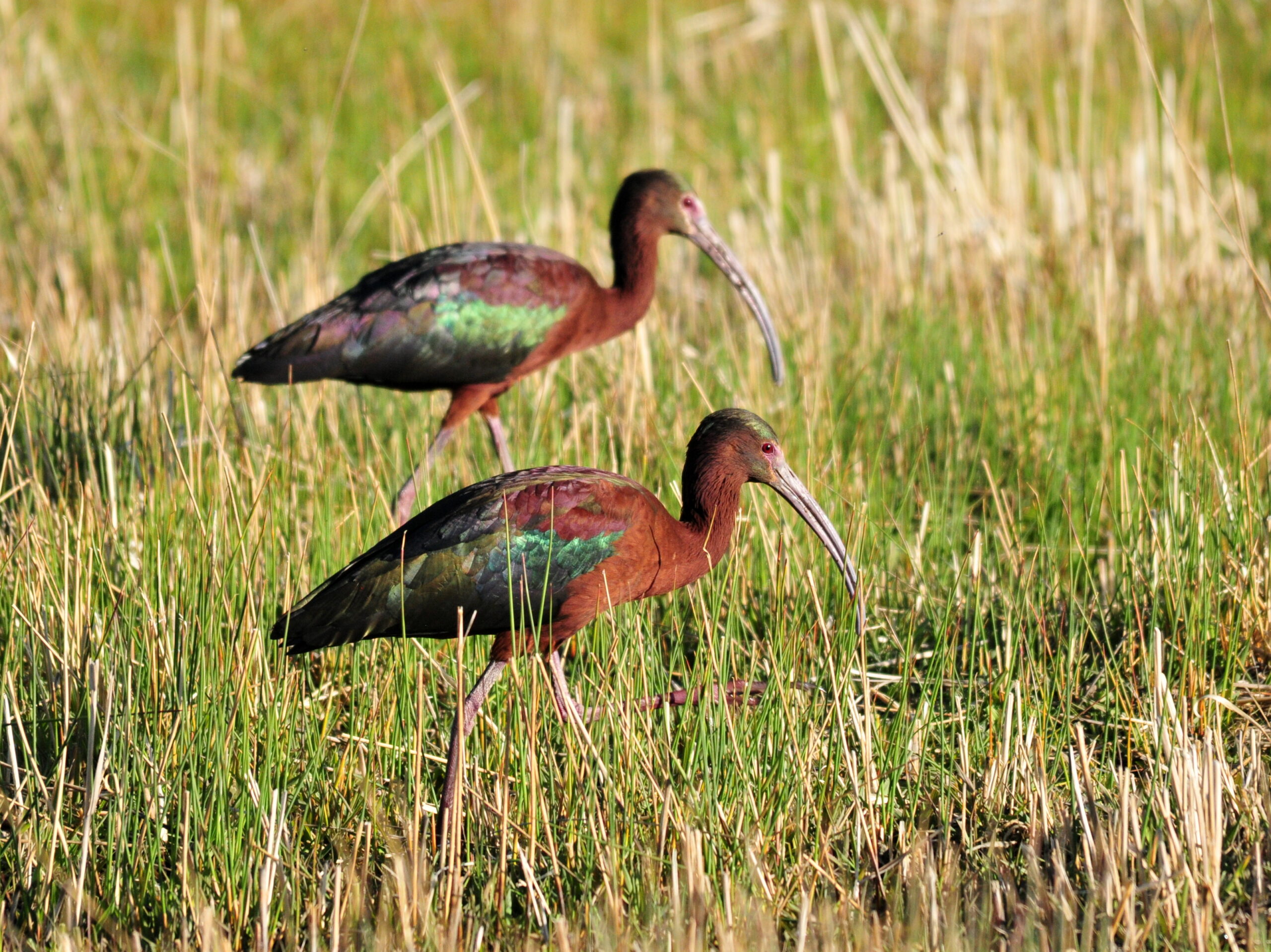
This Intermountain Insights takes a look at a fascinating study on white-faced ibis and its implications for the conservation of wetlands in the Intermountain West. Researchers from the University of Montana and the Intermountain West Joint Venture conducted the first-ever long-term monitoring of white-faced ibis breeding habitat. Using satellite imagery, they estimated seasonal flooding across…
-

·
Private Lands Conservation
“Our private lands are the least expensive wildlife refuges available.” — George Shine, Oregon Rancher Public lands comprise around 70 percent of the Intermountain West’s iconic landscapes. However, 70 percent of the region’s wetlands—including important sagebrush mesic habitat—occur on private land. These water-rich areas are frequently associated with irrigated agriculture and often occur on working ranches…
-

·
NRCS Practices for Connecting Landscapes
Although fencelines often divide the landscapes of the Intermountain West, water and wildlife do not abide by those boundaries. Conservation of these important resources relies on an understanding of landscape-scale connectivity. This visual representation of various practices used by USDA NRCS on private agricultural land and public land leased for agriculture seeks to create dialogue…
-
·
Science to Action: Takeaways from IWJV’s “Storing Carbon in Sagebrush Rangelands” Report
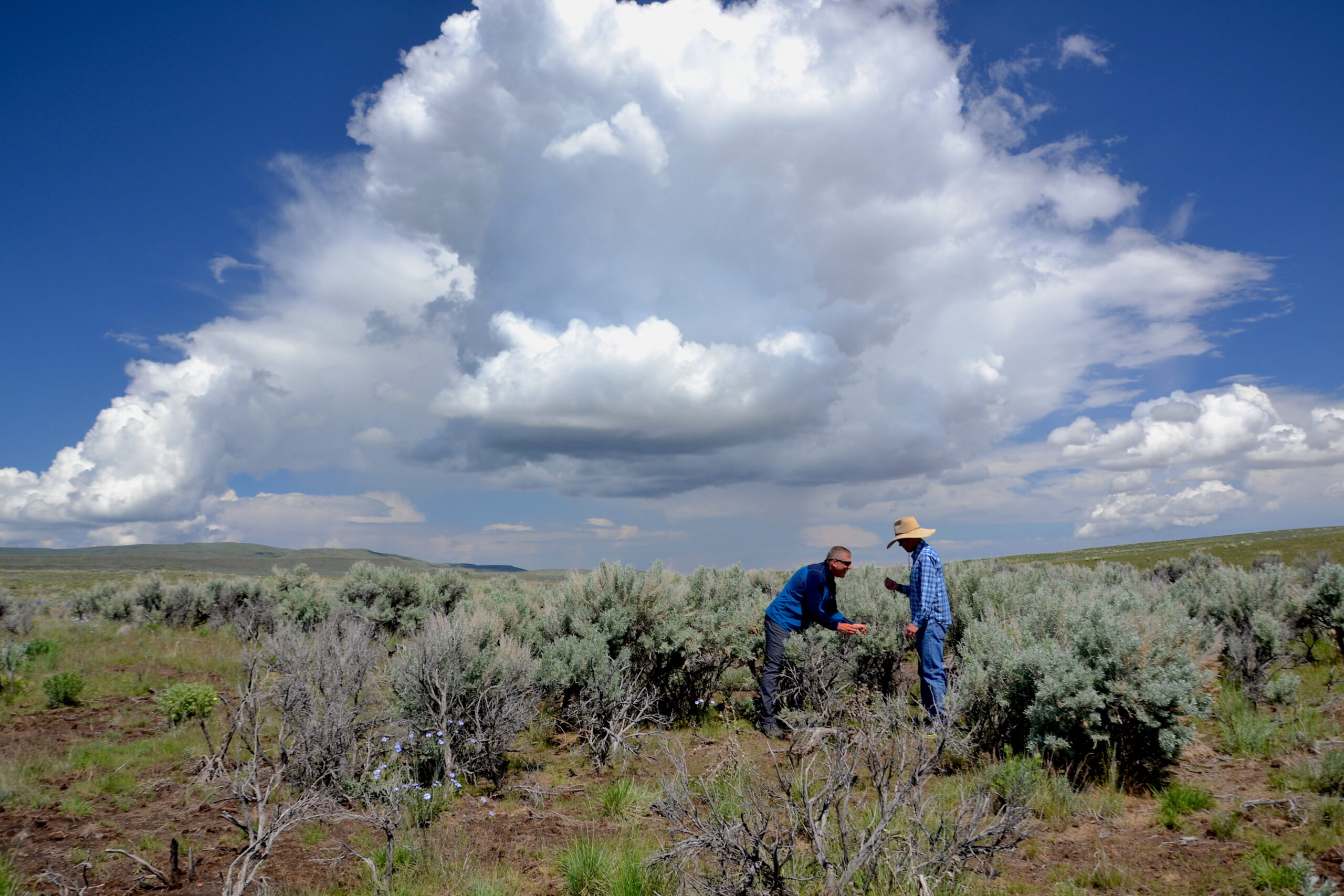
Carbon sequestration is a topic circulating widely throughout the conservation community. Rangelands are coming into the carbon spotlight due to their sweeping extent and because they store relatively more carbon in soils than forests. The importance of keeping carbon out of the atmosphere is widely understood, but breaking down knowledge on how to protect carbon already stored…
