-

·
North American Wetlands Conservation Act
Protecting, restoring and enhancing wetland habitats for birds since 1989. In the past two decades, the North American Wetlands Conservation Act (NAWCA) has funded over 3,300 projects projects for over 7,000 partners, conserving more than 32.6 million acres of vital habitat. These efforts have been made possible through $2.28 billion in grants and an additional…
-
·
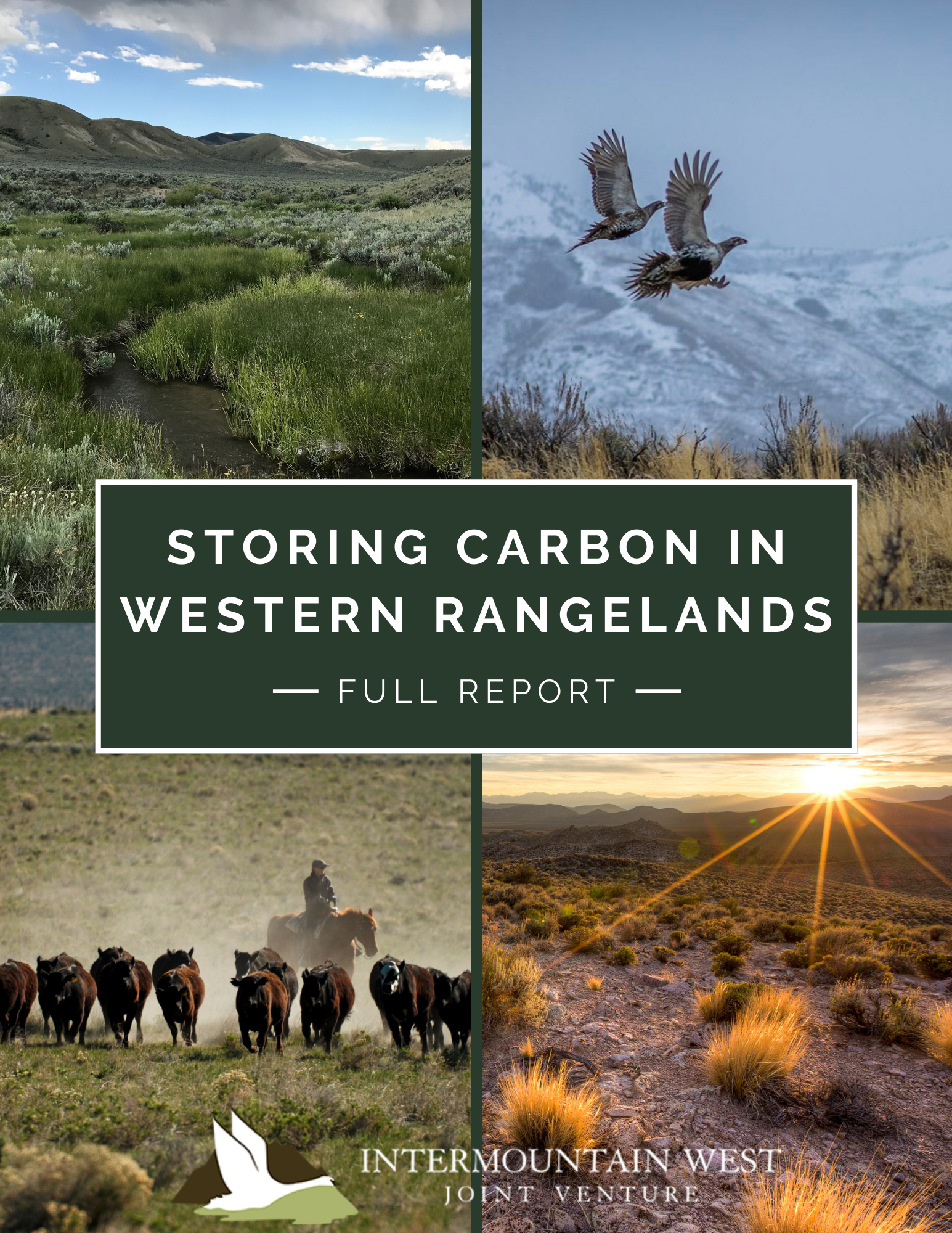
Protecting Carbon Stored in Western Rangelands
Western rangelands and grasslands are being recognized for their ability to protect stored carbon long into the future. Rangelands are vast and store over 25% of carbon found in western ecosystems. As the climate warms and the west experiences more extreme weather events like drought and fire, as well as landscape-scale changes like conifer expansion…
-
·
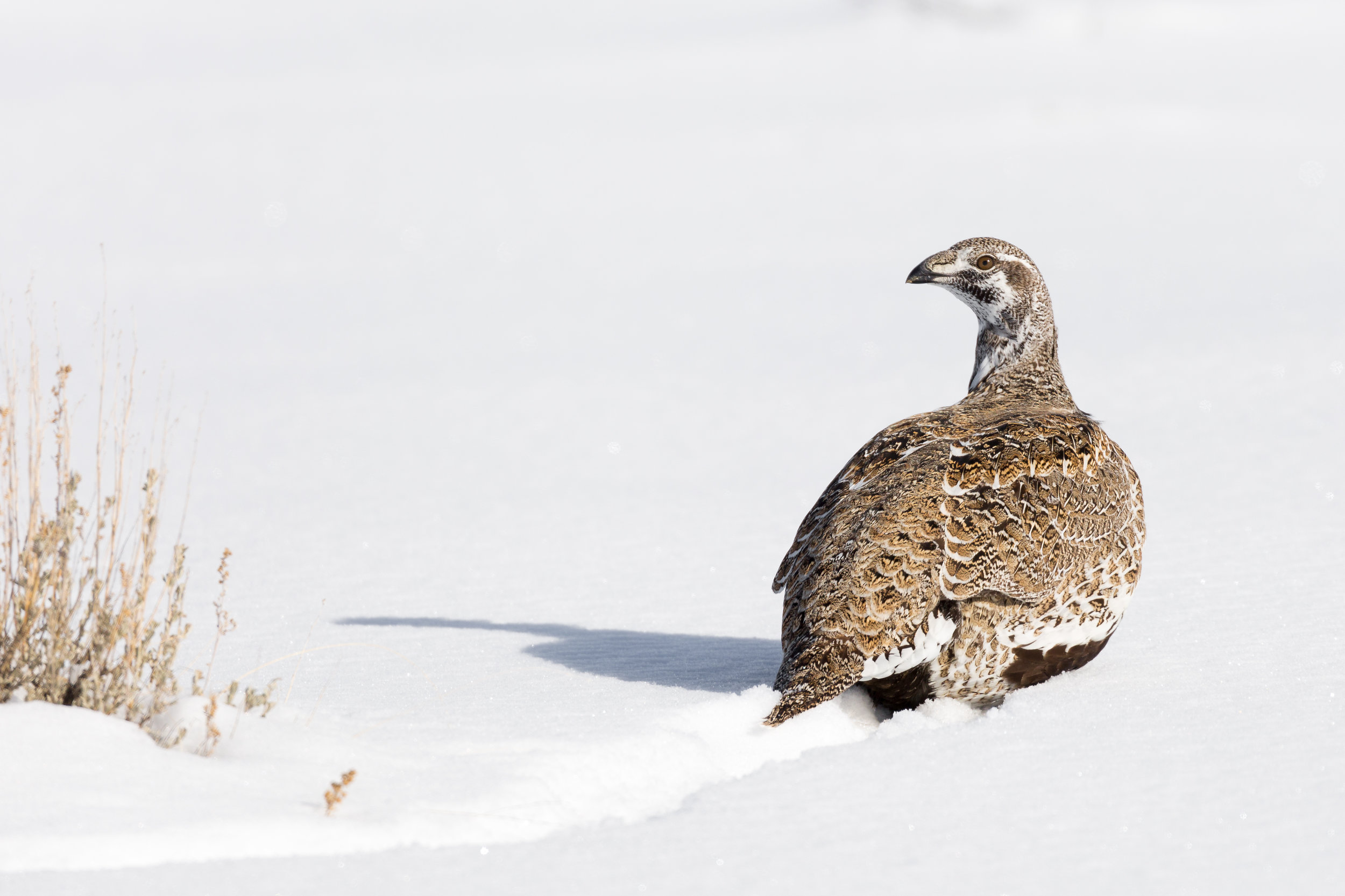
Resilient Landscapes Resource List
Find More Sagebrush Conservation Resources Below Guiding Strategies and Frameworks The resources below are valuable assets for the Intermountain West Joint Venture, used to advance sagebrush conservation goals and guide our work with stakeholders throughout the Intermountain West. These resources will be updated to reflect the latest version of each strategy or framework. Fact Sheets…
-
·
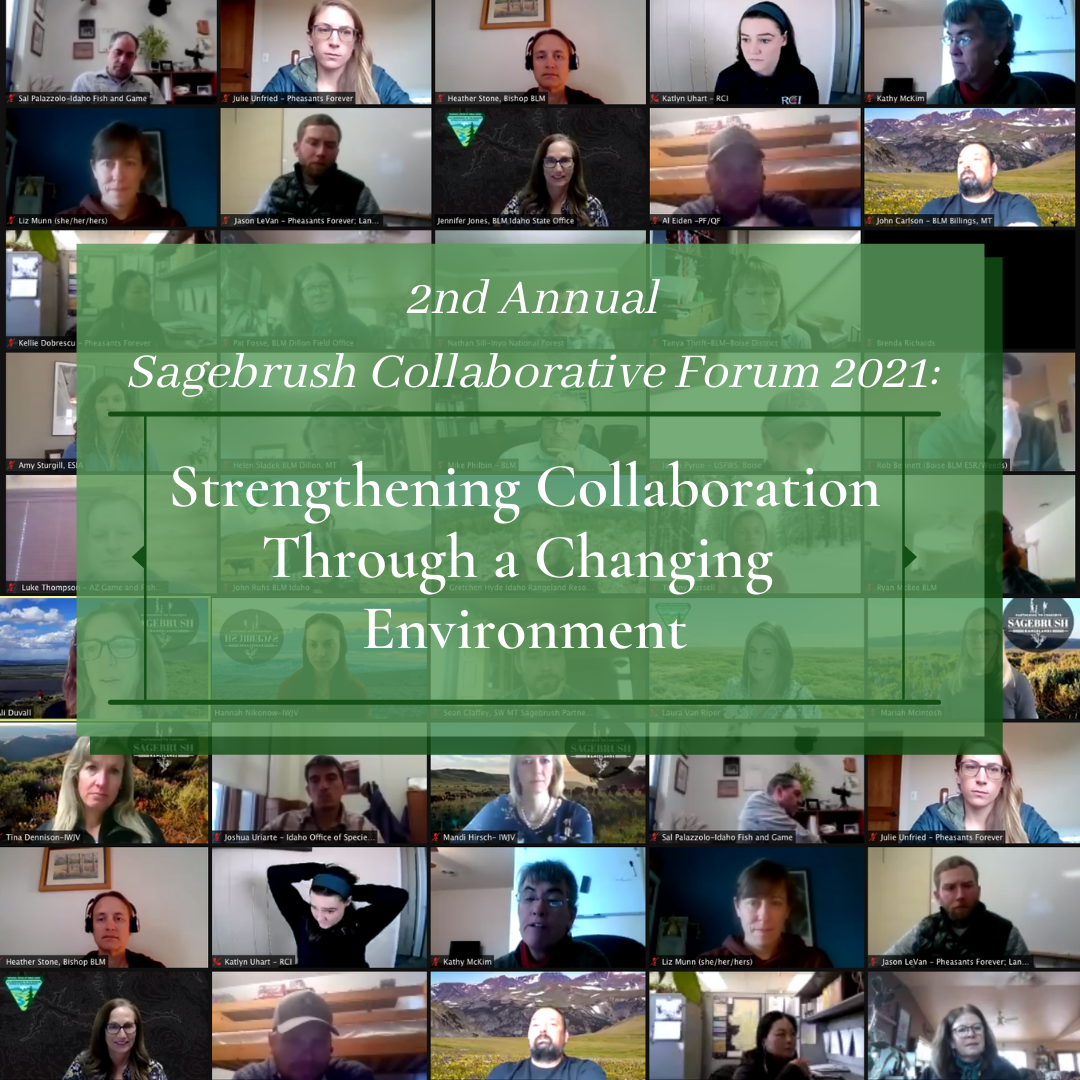
Strengthening Collaboration Through a Changing Environment
Last month, Partnering to Conserve Sagebrush Rangelands convened virtually for the 2nd Annual Collaborative Forum to empower cross-boundary sagebrush collaboration. This year’s theme was strengthening collaboration through a changing environment. The event aimed to strengthen the toolkit for the Sage Capacity Team (SCT), the Bureau of Land Management (BLM), and the community of partners they…
-

·
PacifiCorp Continues to Lead in Supporting Sagebrush Conservation
Enacting durable conservation takes all types of partners. In few other places is this more prominent than the American West’s sagebrush country. The Intermountain West Joint Venture (IWJV) is proud to work closely with PacifiCorp, an electric utility company based in the western United States, and has done so for over 25 years. PacifiCorp does…
-

·
SONEC: Dynamic Wetland Resources
The availability of surface water and wetland resources are highly dynamic in the western US. Until recently, broad-scale efforts to conserve wetland habitats for migratory birds have been unable to account for patterns of seasonal wetland dynamics that link the timing of wetland availability (i.e. flooding) to the chronology of bird migrations through landscapes. To…
-
·
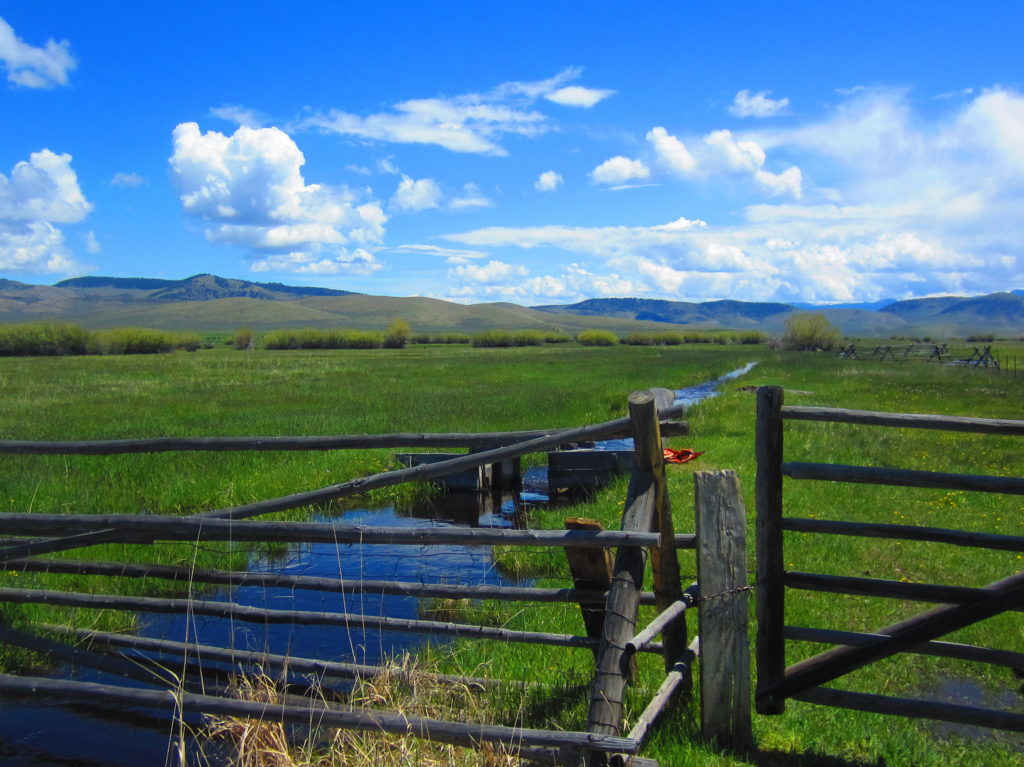
Effects of Irrigation Efficiency Improvements at Multiple Scales
The Intermountain West is mostly publicly owned but approximately 70% of its emergent wetlands occur on private land. These privately-owned habitats are typically associated with irrigated agriculture on working ranches and farms in landscapes important to wildlife, native fish, and people. Webinar: Effects of Irrigation Efficiency Improvements at Multiple Scales
-

·
What is NAWCA? And is it Right for Your Project?
If you have questions about the North American Wetlands Conservation Act (NAWCA) and its Standard and Small Grants programs, here’s a decision-making tool that will help you learn a little more. NAWCA was signed into law in December of 1989 as a new continental conservation funding mechanism and has played a critically important role in…
-

·
Frequently Asked Questions and Answers about Outcome-based Grazing
In 2017, the Bureau of Land Management (BLM) announced that it was beginning a collaborative approach to issuing grazing authorizations, which is the permitting system through which private livestock operators (known as permittees) utilize federal lands. In March 2018, BLM selected 11 demonstration projects in six states, with a variety of conditions and circumstances. The…
-

·
SageWest 2020 Summer Series: Fire & Invasives
Invasive annual grasses are dramatically compromising sagebrush country by reducing forage quality and quantity, altering wildfire regimes, impacting species diversity, reducing wildlife habitat, and straining already challenged local economies. Amongst SageWest’s 150+ entities (state and federal agencies, universities, collaboratives, non-governmental organizations, etc.) are many that are tackling this challenging issue. Thus, this platform is uniquely…
