-
·
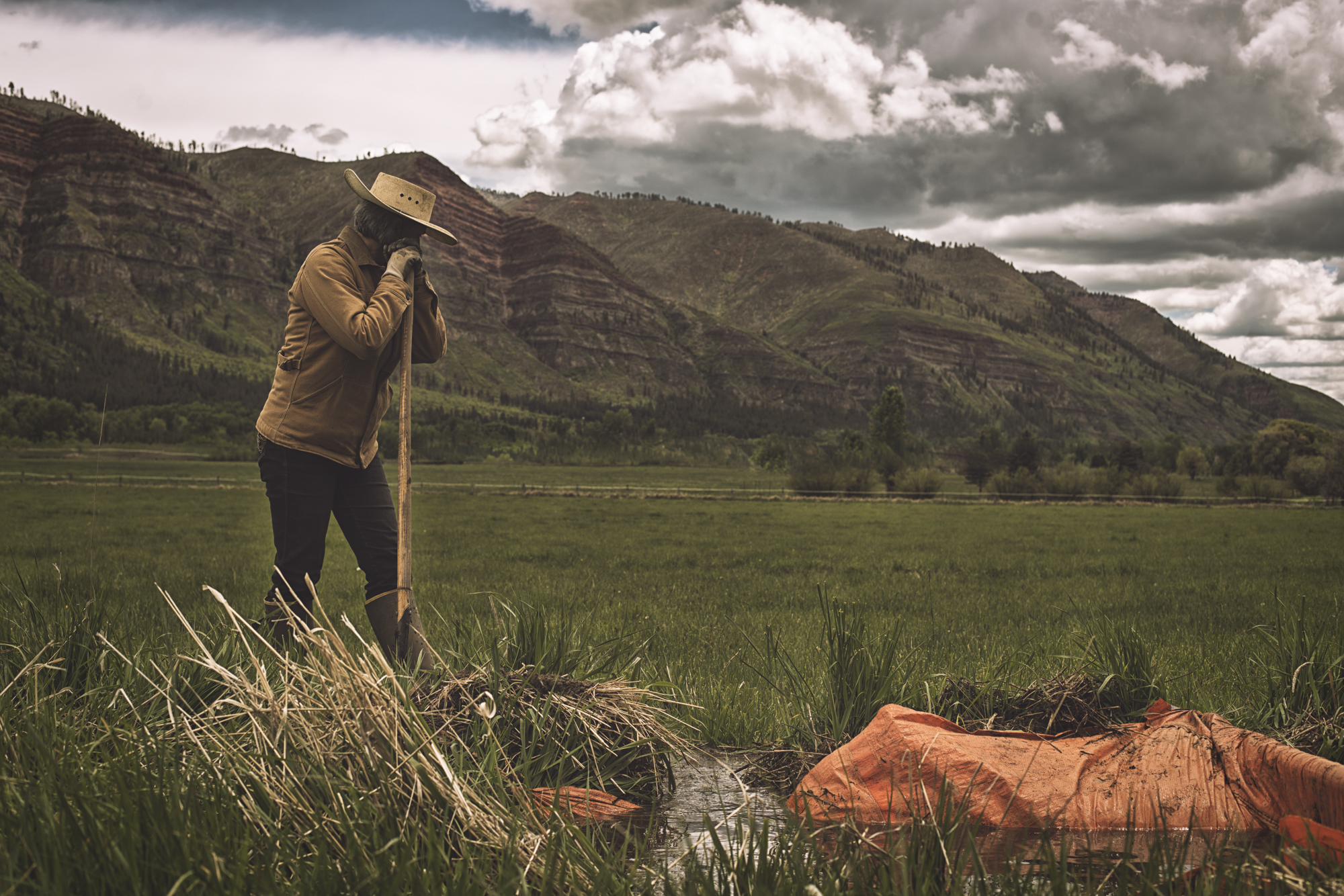
Wetland Benefits of Flood-Irrigated Grass Hay
SUPPORTING SCIENCE & RESOURCES Wetland Evaluation Tool This spatial wetland analysis product enables users to track changes in surface water over space and time. Download the Data Access the data behind the Working Wetlands Explorer. Contact Teagan Hayes for more information. Read the Insights The Intermountain Insights provides an overview of the science and its…
-
·
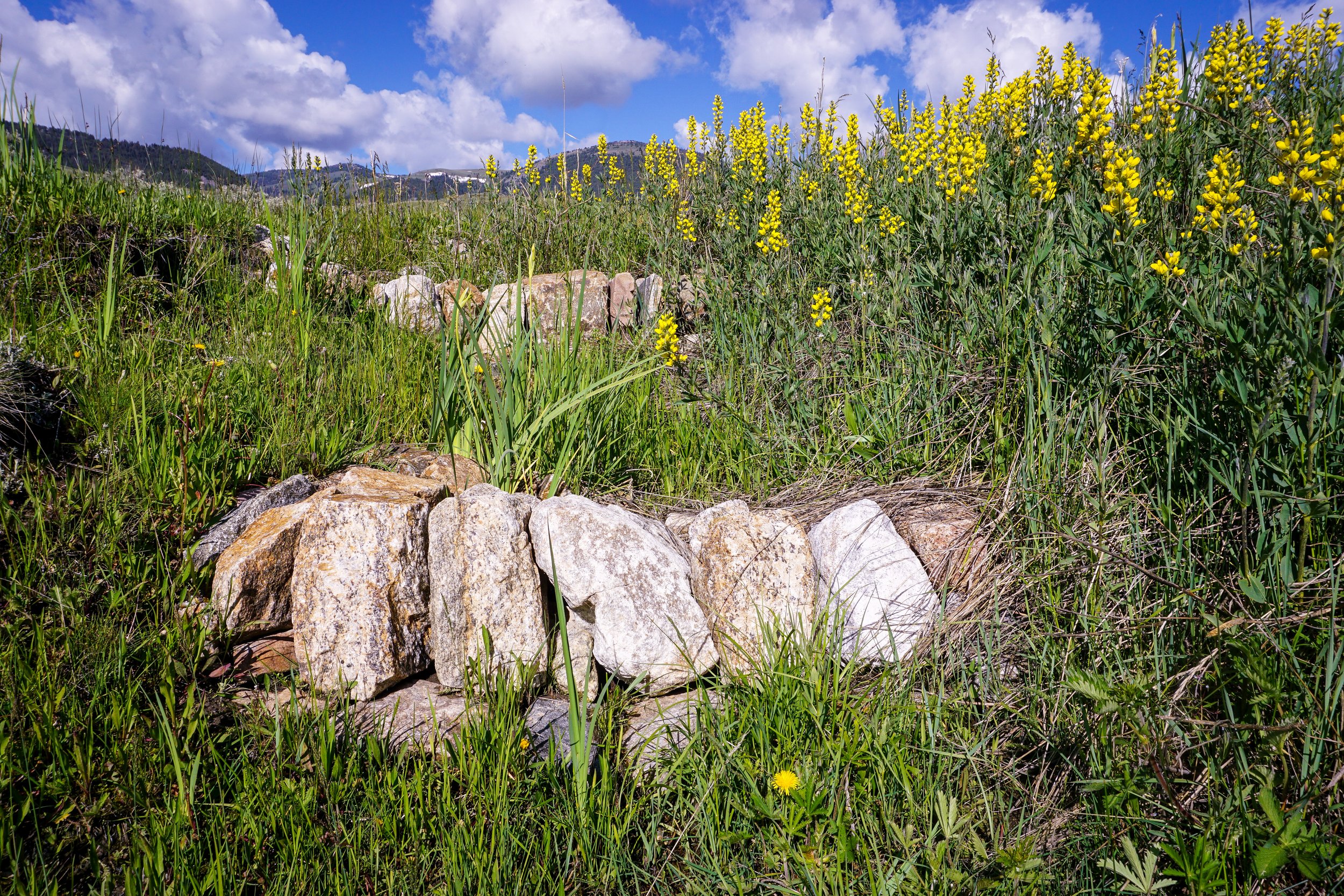
One-Stop-Shop for Zeedyk Resources
As wet meadows restoration efforts grow, managers and implementers need to access the top resources. In our Zeedyk One-Stop Shop, we’ve collected those important materials on this page. This includes factsheets, videos and online training modules, technical documents, research publications, planning and permitting examples, stories of success, and spatial data tools. Our resources focus on…
-
·
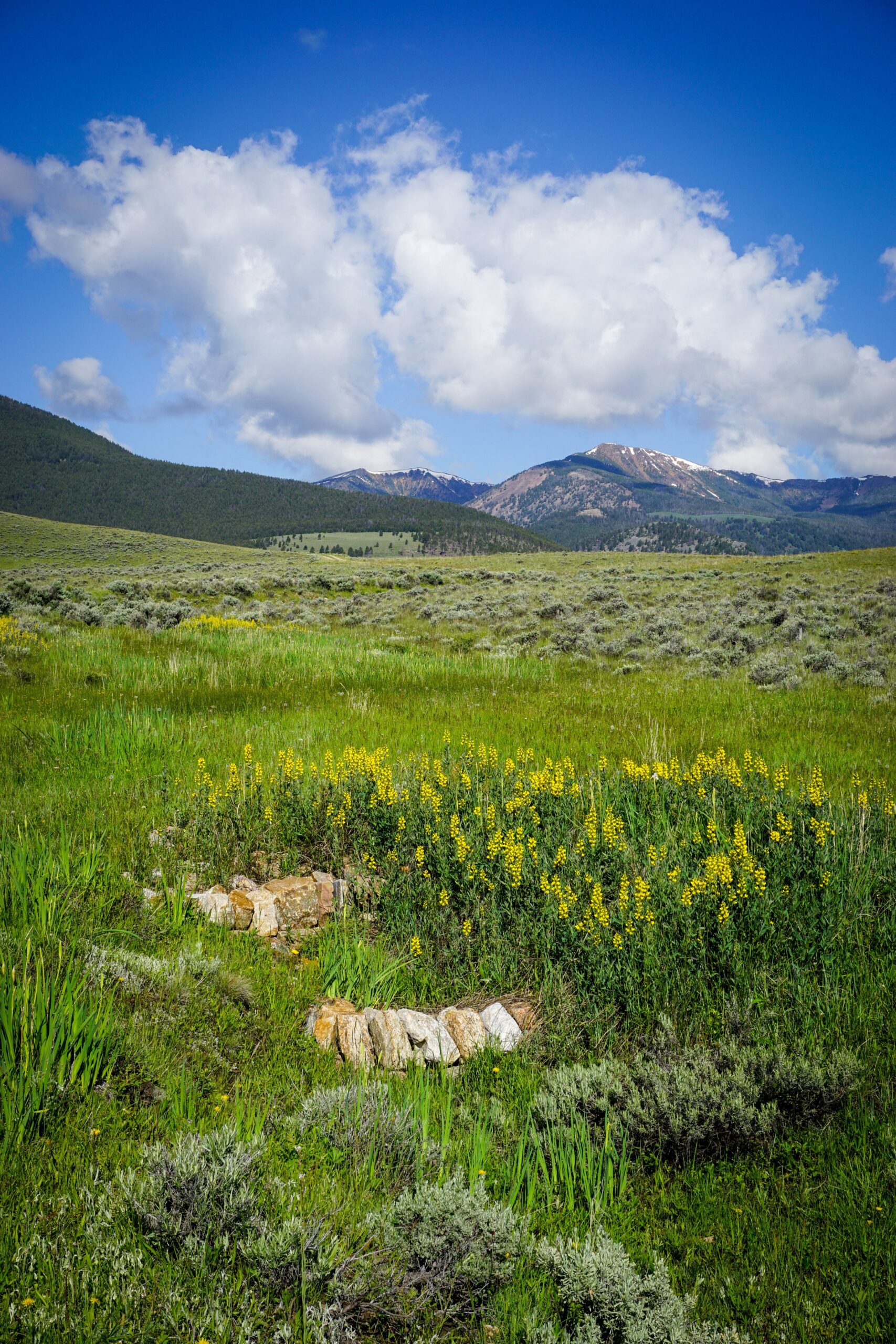
One-Stop-Shop for Zeedyk Resources – Research
Peer-reviewed research on Zeedyks, their construction, and the context for mesic restoration. The Need for Mesic Restoration Donnelly, J. P., Allred, B. W., Perret, D., Silverman, N. L., Tack, J. D., Dreitz, V. J., Maestas, J. D., & Naugle, D. E. (2018). Seasonal drought in North America’s sagebrush biome structures dynamic mesic resources for sage-grouse.…
-
·
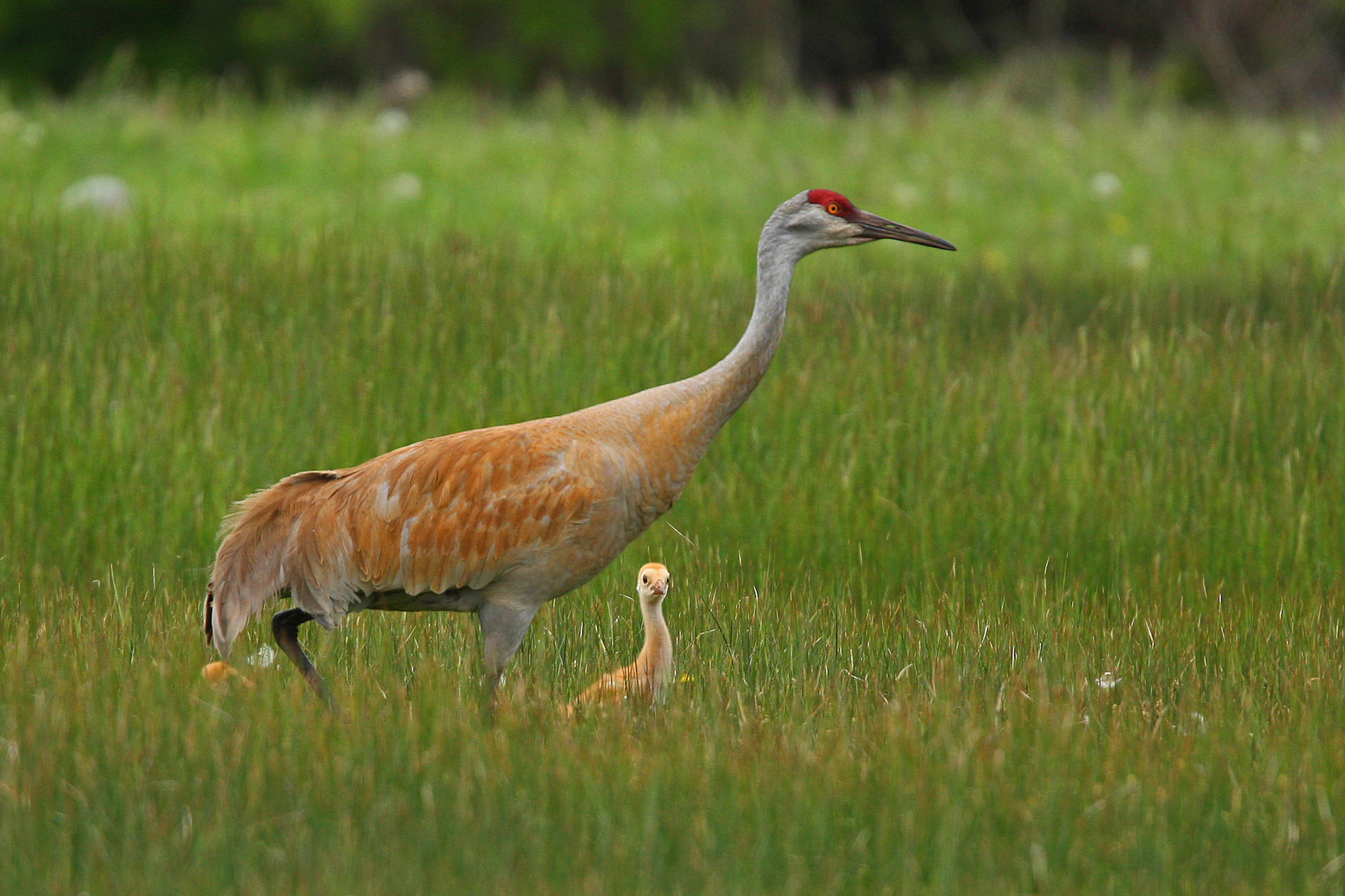
Greater Sandhill Cranes
Greater sandhill cranes are among the most iconic migratory waterbirds of western North America. Commonly considered seasonal harbingers, their movements throughout the predominantly rural landscapes of the Intermountain West are often celebrated with festivals and are timed with seasonal cycles important to agricultural communities. Sandhill cranes are inextricably linked to ranching and working lands. Their…
-
·
New Report Compiles Knowledge on Climate Resilience of Pinyon-Juniper Woodlands
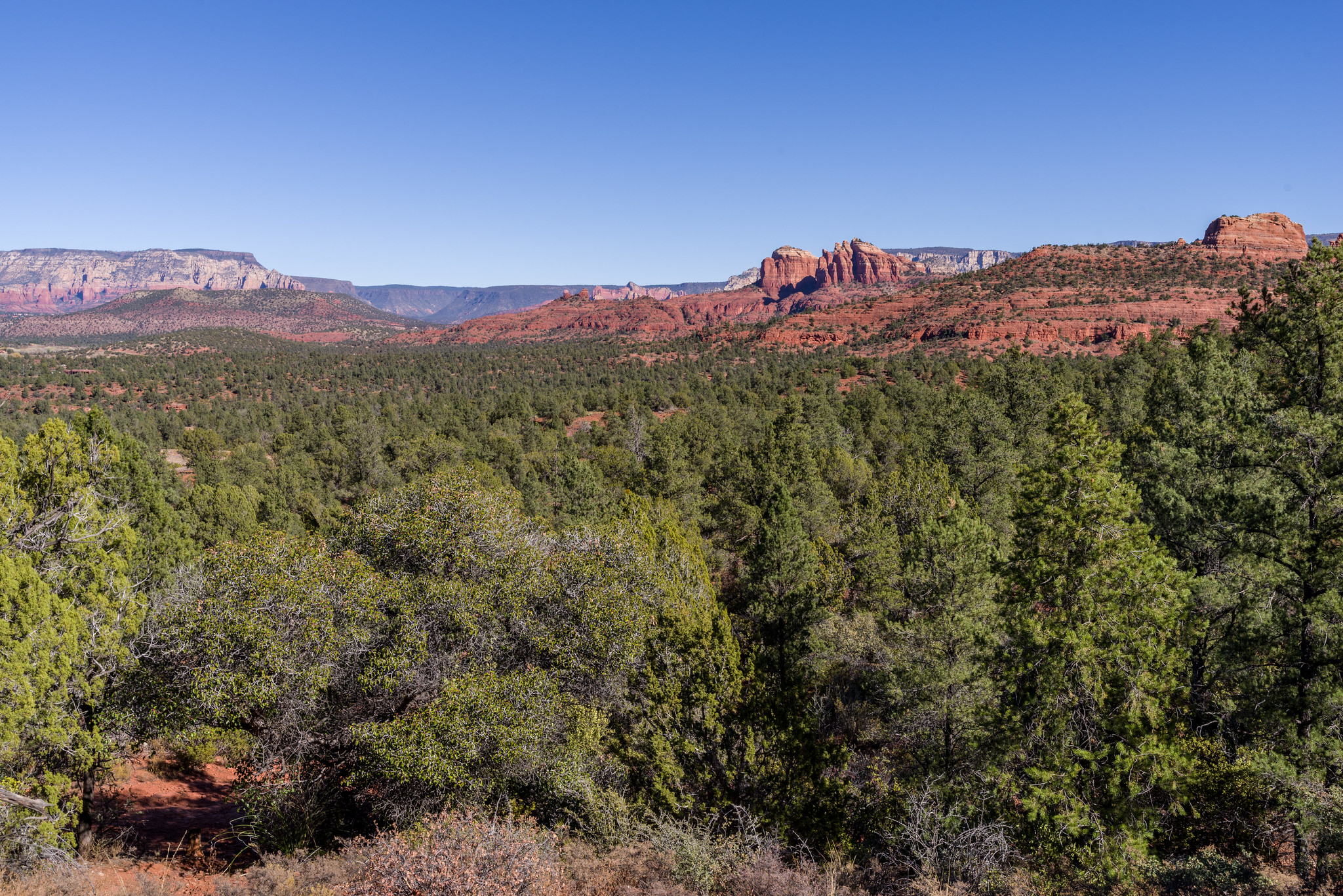
This article was originally published in the Bureau of Land Management’s internal newsletter, the BLM Daily, on August 14, 2023. Pinyon-juniper woodlands are incredibly complex and fascinating places that have recently been receiving a lot of attention. A highly diverse ecosystem of 100 million acres, “PJ” is often used to describe such diverse habitat types as…
-
·
Intermountain Insights: Climate Resilience in Persistent Pinyon-Juniper Woodlands
Pinyon-juniper woodlands are ubiquitous across the Intermountain West and important to many–from Tribal Nations and recreationists to pinyon jays and mule deer. However, concern has arisen among researchers and managers about their vulnerability to a warming and drying climate. Managers have indicated that they often lack the information needed to guide climate-smart management in woodland…
-
·
Wetland Evaluation Tool
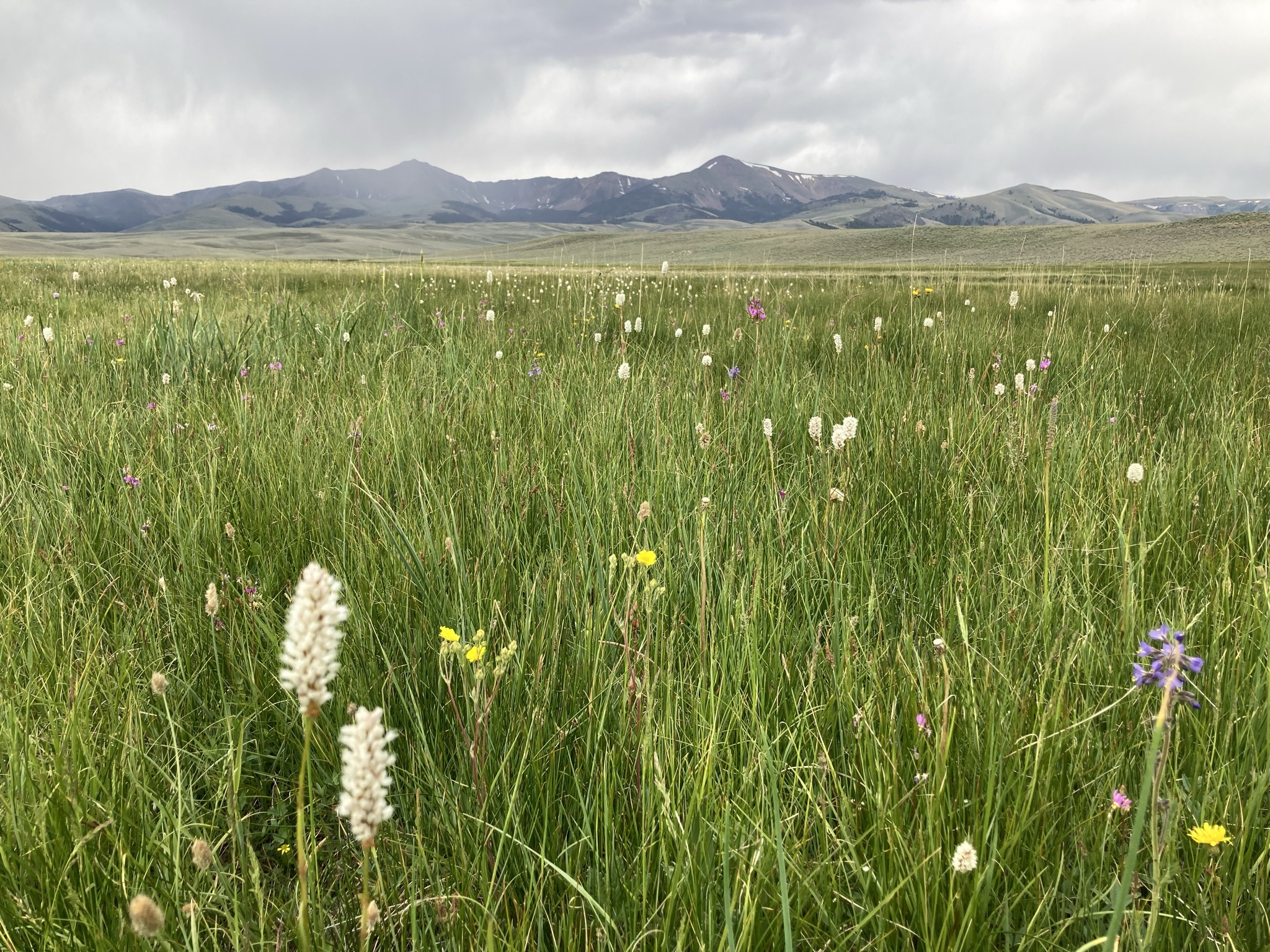
ABOUT THE WETLAND EVALUATION TOOL (WET) To understand how wetland drying is affecting the Intermountain West, IWJV researchers are using satellite imagery to monitor the timing and duration of seasonal flooding on both natural and agricultural wetland habitats (the latter being primarily flood-irrigated hay or grain fields flooded postharvest) from the mid-1980’s to the present-day.…
-
·
Utah Low-Tech Wet Meadow Restoration: Virtual Workshop
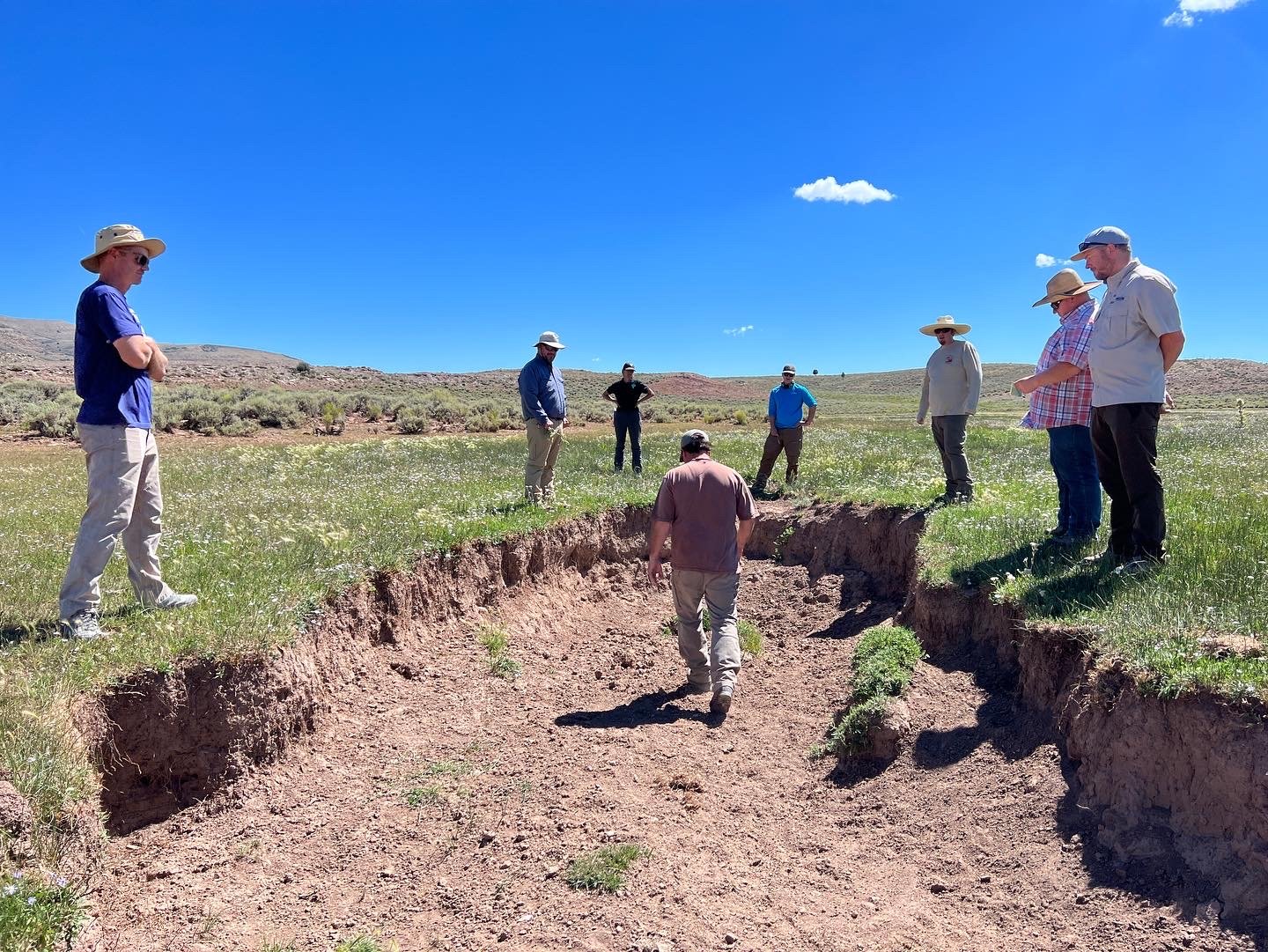
Thank you for attending this virtual workshop! If you missed this live event, please see all of the recorded modules below. Wet or mesic meadows are rare but disproportionately important ecosystems in Utah. Gully erosion and channel incision are widespread problems reducing natural resiliency and water storage capacity, which is impacting wildlife and working lands.…
-
·
Utah Low-Tech Restoration Resources
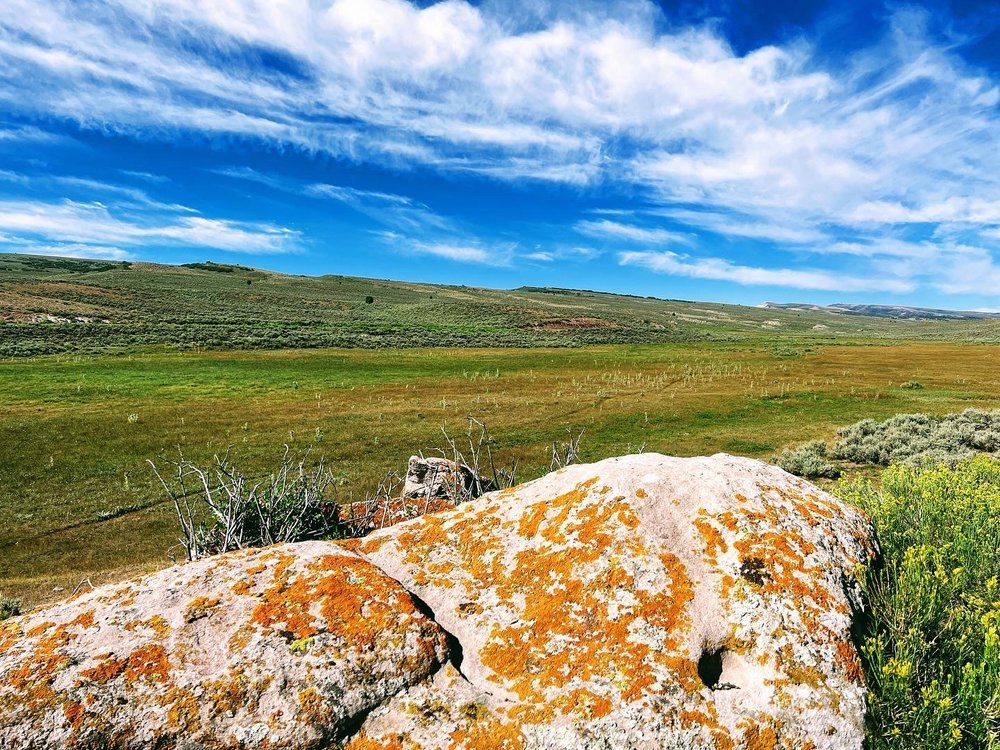
Webinar Powerpoint & Presentation Material Zeedyk Planning and Technique Resources Mapping Tools Example Environmental Assessments (EAs) People and Places Videos
-
·
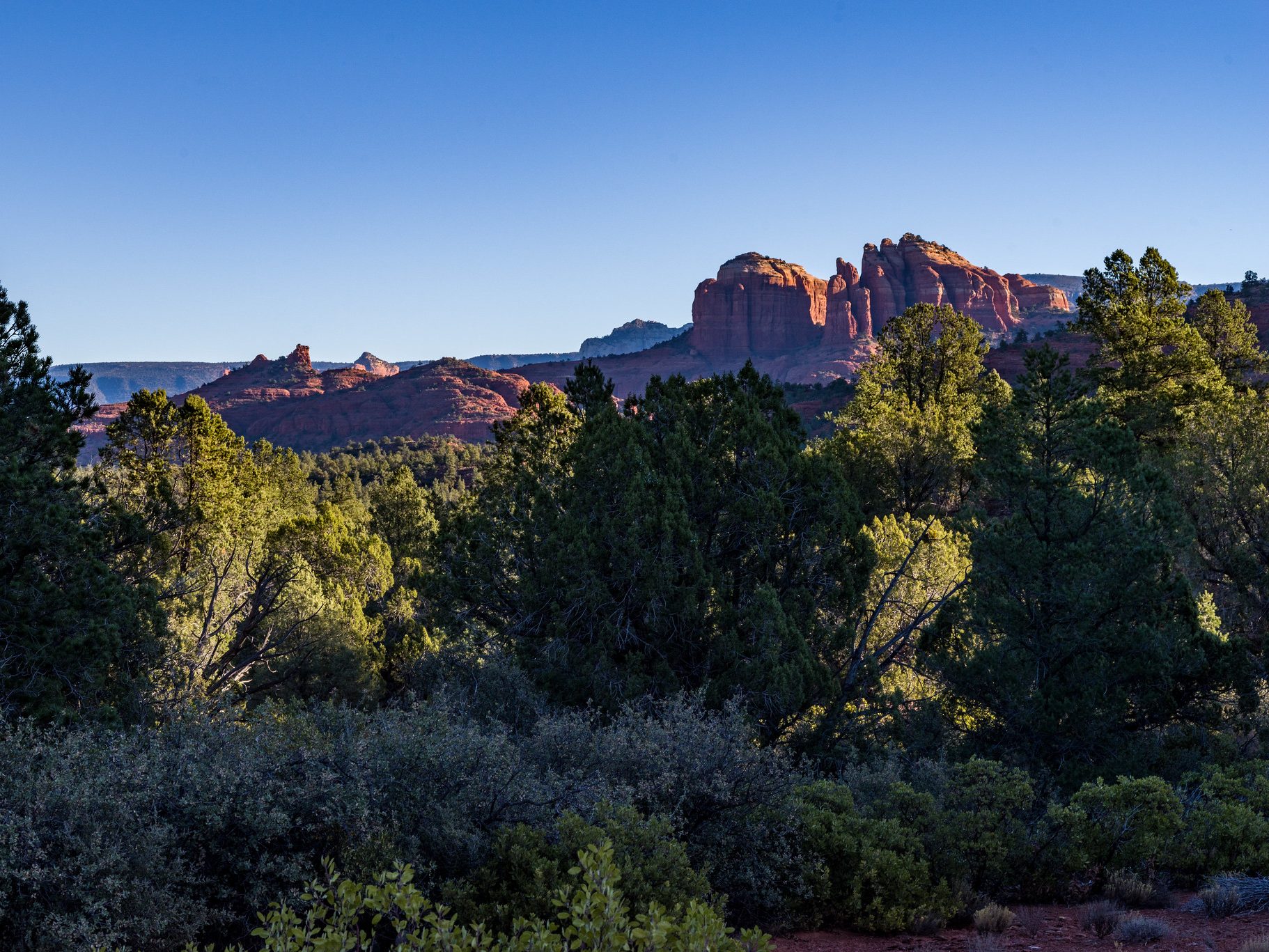
New Report: Improving Climate Resilience of Persistent Pinyon-Juniper Woodlands
As climate change increasingly shapes western ecosystems—with events from frequent and severe wildfires to enduring droughts—managers need evidence-based approaches they can rely on to strengthen ecosystem climate resilience into the future. Pinyon-juniper woodlands are ubiquitous across the Intermountain West and important to many–from Tribal Nations and recreationists to pinyon jays and mule deer. However, concern…
