-
·
What Brings Us Together: Five Lessons from the Range
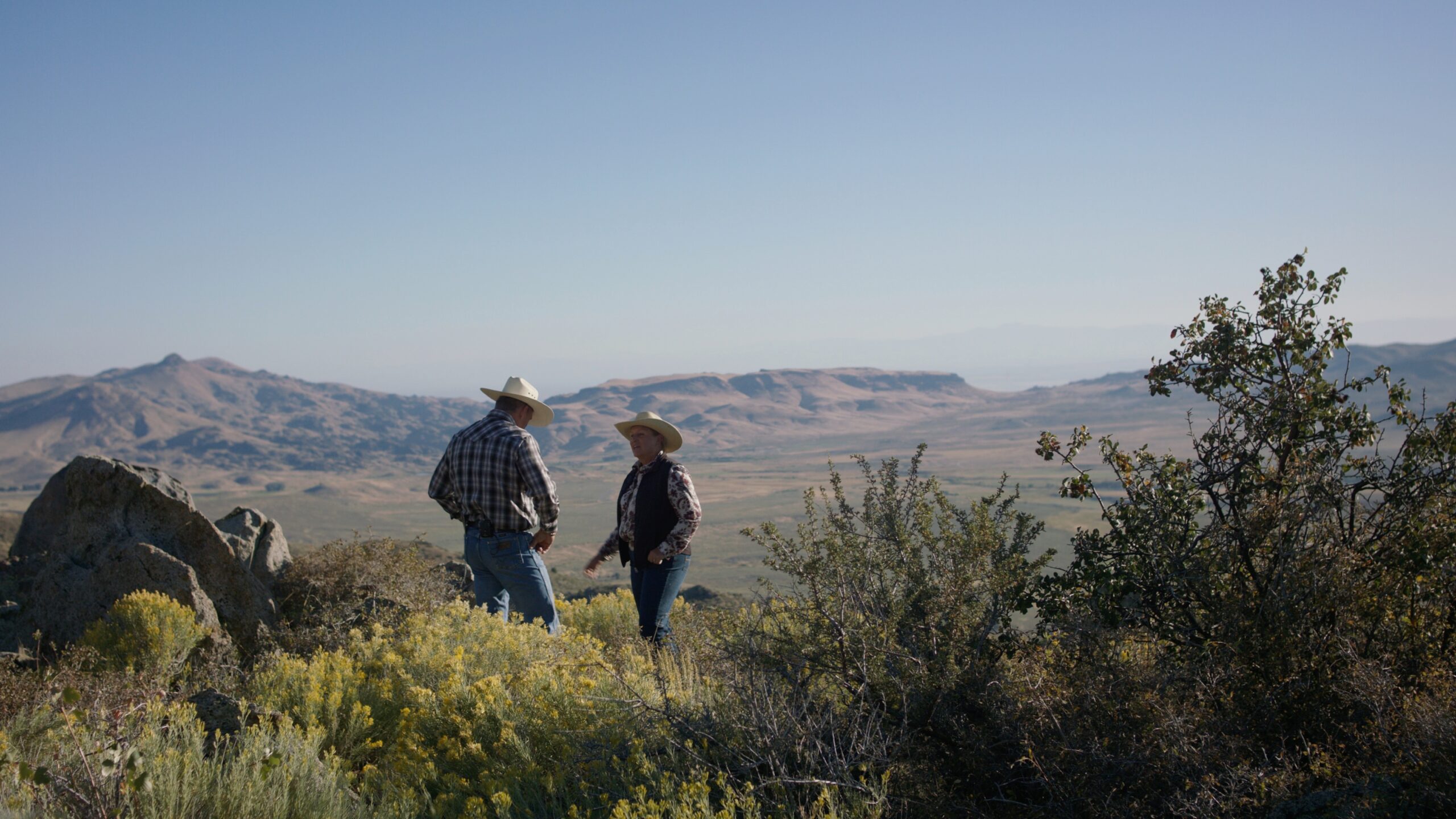
Field Notes What Brings Us Together: Five Lessons from the Range By Brenda Richards, Idaho Rangeland Conservation Partnership Coordinator Conserving and restoring healthy rangelands is a community-scale effort that depends on people in many roles, from restoration crews and wildland firefighters to land managers, permit specialists, agency staff, and landowners. One of the most vital—and…
-

·
New Collaboration Opportunities with Idaho Cattle Association
The June issue of Idaho Cattle Association’s Line Rider magazine included an announcement about new opportunities with the IWJV to improve producer access to Natural Resources Conservation Service programs. See this article on page 28 of the June 2024 issue.
-
·
Celebrating TWO Conservation Partner(ship) Awards
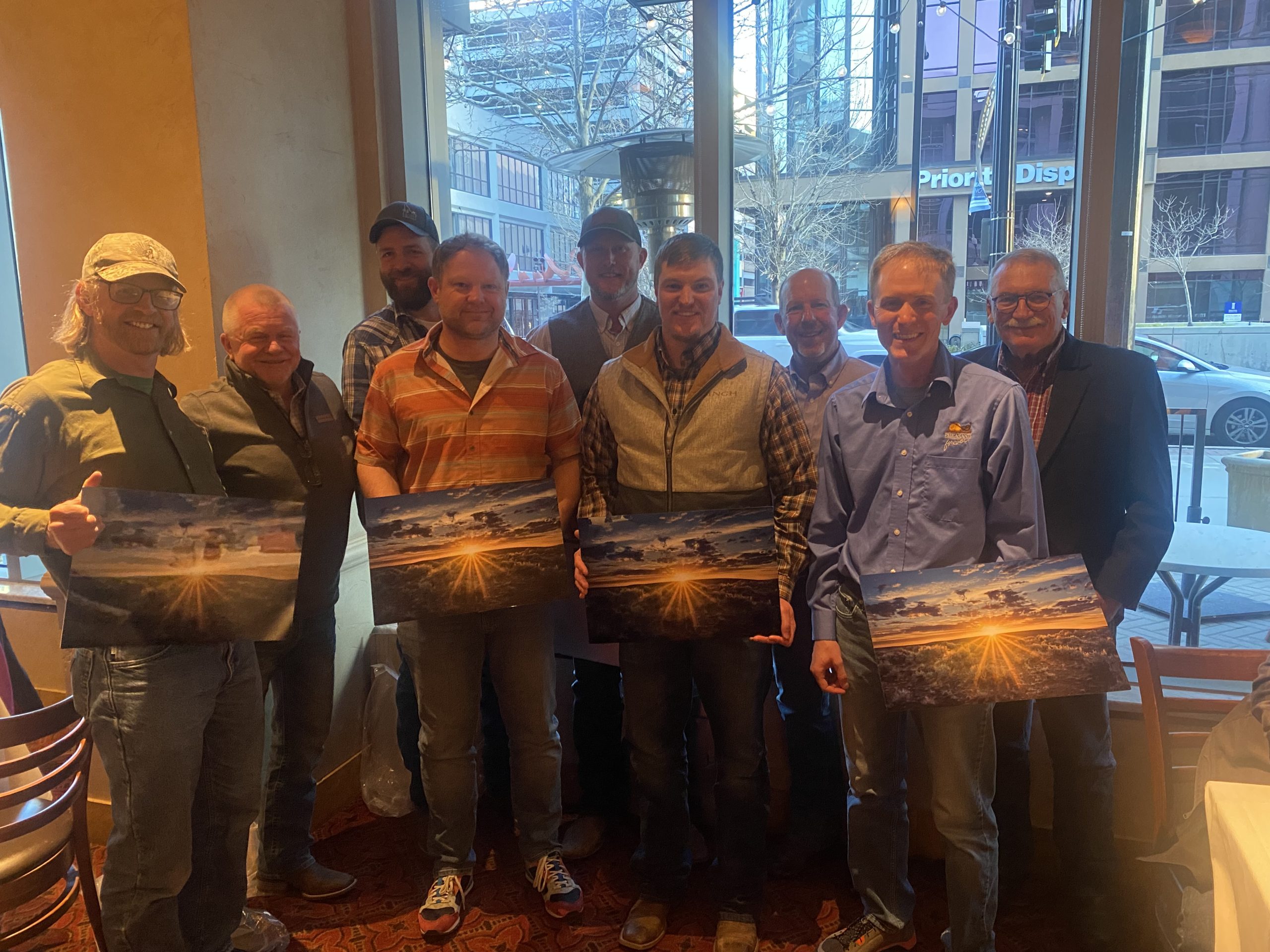
One of the IWJV’s most competitive awards recognizes and honors an individual, a group of partners, or a collaborative effort that has made outstanding contributions to a project or initiative and has played an instrumental role in advancing strategic, landscape-scale habitat conservation. This year we are so excited to award both a group as well…
-
·
A Menu of Options for Conservation
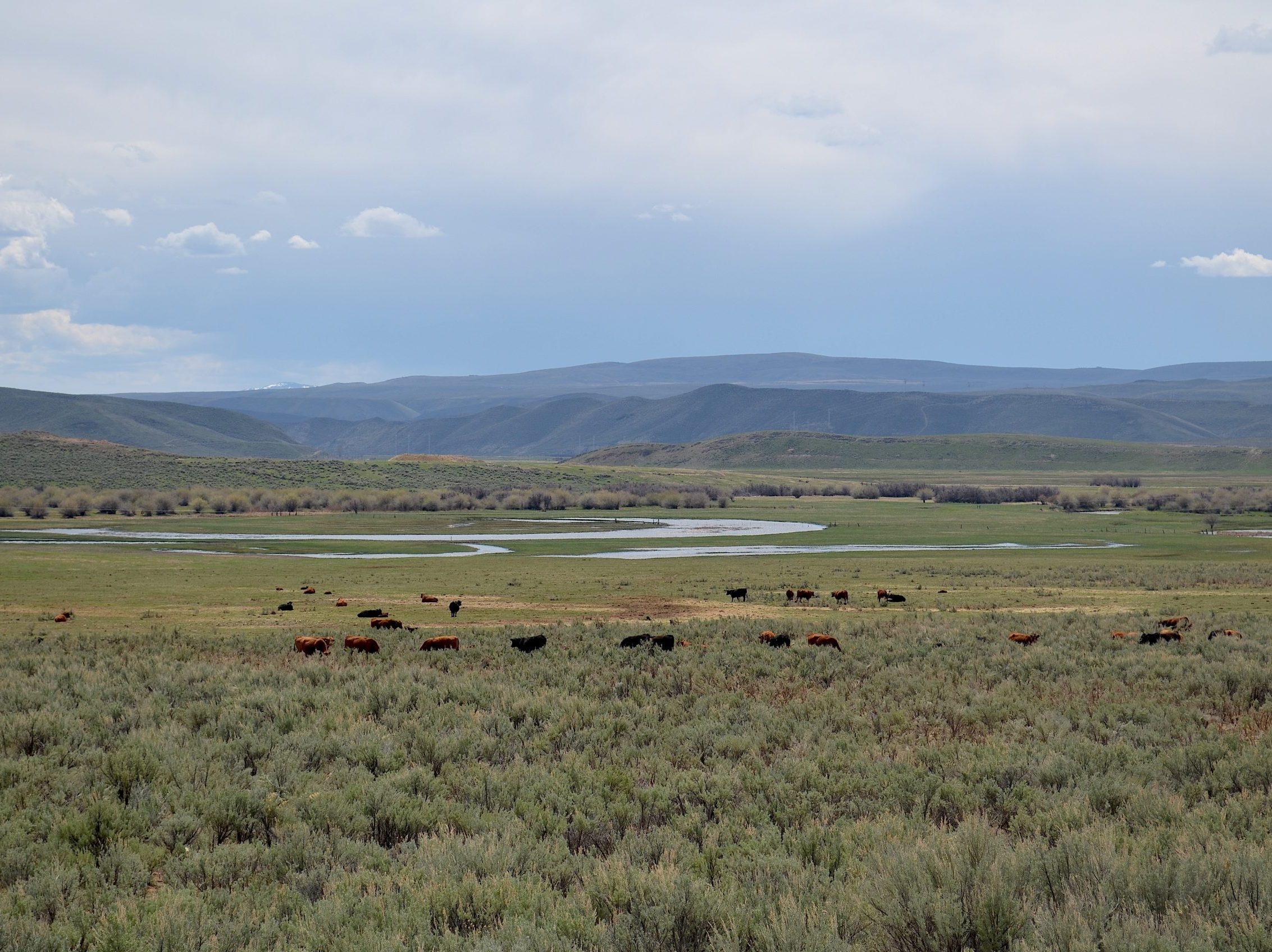
Collaboration Enhances Bear River Watershed Conservation Easements “We recognize who we are in Utah and what we have, and we want to protect it. Everyone can agree that this work is important.” – Jim Bowcutt, Director of Conservation, Utah Department of Agriculture and Food As the urban sprawl of the Wasatch Front creeps further up the…
-

·
Restoring Mesic Habitat in Idaho
Restoration work through the Idaho Mesic Rangeland Resources Enhancement Project is gaining momentum thanks to funds from the Bipartisan Infrastructure Law (BIL) passed by Congress in 2021. Back in the 1960s and 70s, late-season water from Succor Creek pooled up and spread out through Chipmunk Meadow, feeding a green oasis in the otherwise dry sagebrush steppe…
-

·
Horizon to Horizon: Improving Habitat at a Landscape Scale
The Bruneau-Owyhee Sage-grouse Habitat (BOSH) Project is a large conservation effort designed to improve and maintain sagebrush habitat by removing encroaching juniper to benefit the Greater Sage-grouse and other wildlife. Land managers from across the sagebrush sea are working in the BOSH area to better understand how conservation practices impact wildlife, vegetation, and livelihoods across…
-

·
Sharing the Story of the Bear
Scroll to view the storymap or see it full size here. Sharing the Story of the Bear Connecting journalists to people and place in the Bear River Watershed. Emily DowningOctober 28, 2022 The Bear River begins its journey in Utah’s high Uinta Mountains before flowing into the sagebrush sea of southwestern Wyoming, where it creates…
-

·
In person in Idaho with IWJV’s Management Board & Partners
Staff from the Intermountain West Joint Venture (IWJV) and the majority of our Management Board were delighted to be back in the saddle as we met face-to-face in Idaho last week for our spring meeting. This was the first in-person gathering of board and staff since September 2019 and excellent discussions filled every element of…
-
·
From the Inside Out: Local Cheatgrass Treatment Aids in Landscape-Scale Habitat Resiliency
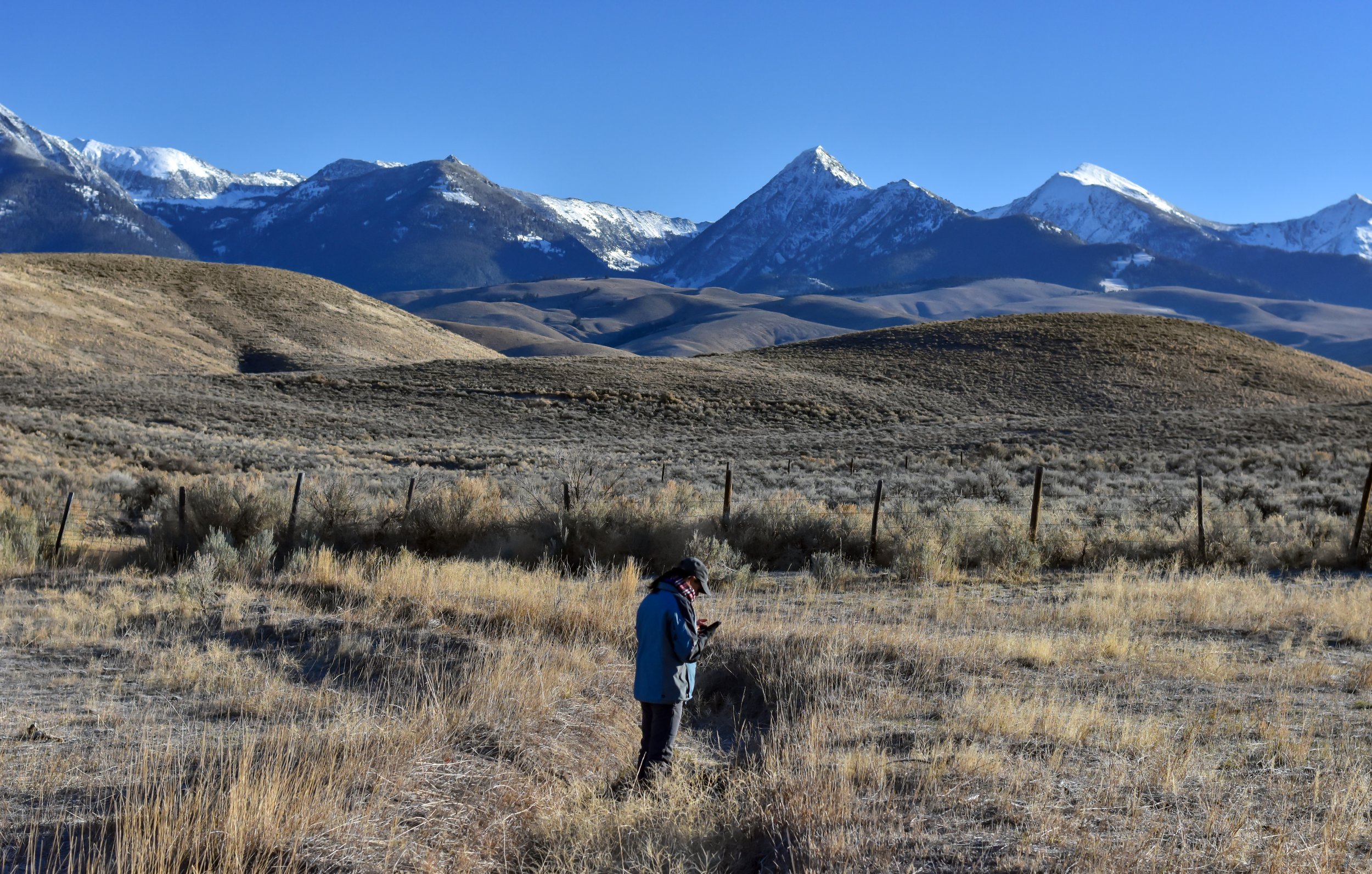
“Proactive, not Reactive.” This is the mantra of partners in Lemhi and Custer County, Idaho who are working to address cheatgrass and other non-native plants in sagebrush rangelands. These remote central Idaho counties contain some of the most intact, high-quality sagebrush habitat remaining in the state, often referred to as “core” habitat. Central Idaho’s core…
-

·
Conservation Coordinator Fills a Niche in the Bear River Watershed
Even on a map, the Bear River Watershed is a puzzle. The river trickles out of Utah’s high Uinta Mountains into the sagebrush sea of southwestern Wyoming, where it creates lush wet meadows and productive bottomlands for wildlife, livestock, and people alike. As the creek becomes more of a river, it curves back and forth…
