-
·
Buoying the Bear River with Irrigation Infrastructure Funding
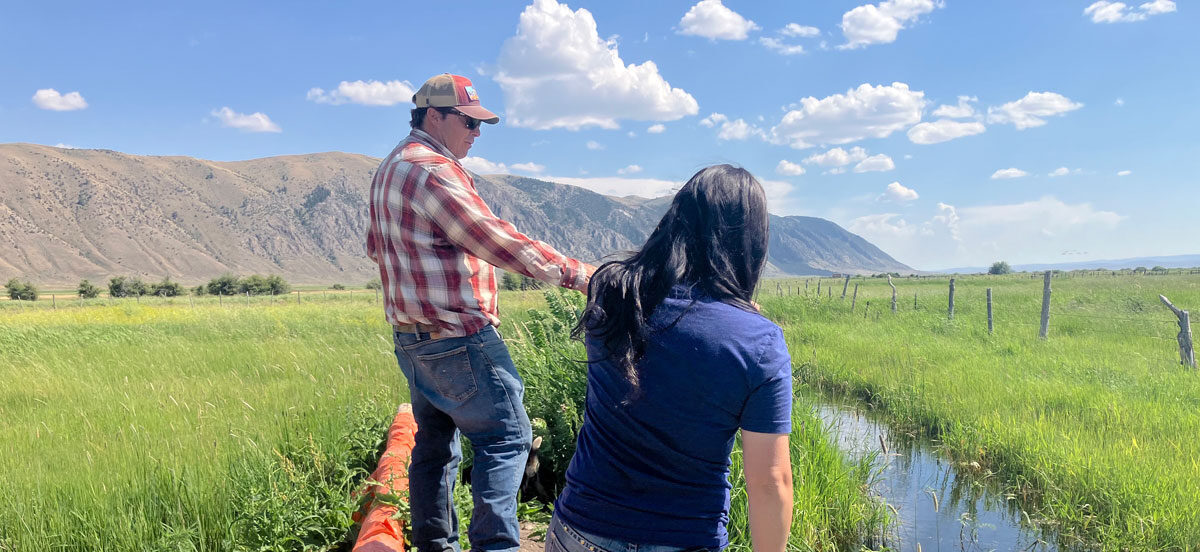
Strategic Funding Pools allow NRCS to provide locally focused conservation that benefits producers and wildlife. Standing in a couple of inches of water down in the floodplain of the Bear River, Ben Weston surveyed one of his hay fields. Tall green grasses reach up to his waist, bowing in the gusts created by a hot…
-
·
Restoring the Ravine with the Environmental Quality Incentives Program
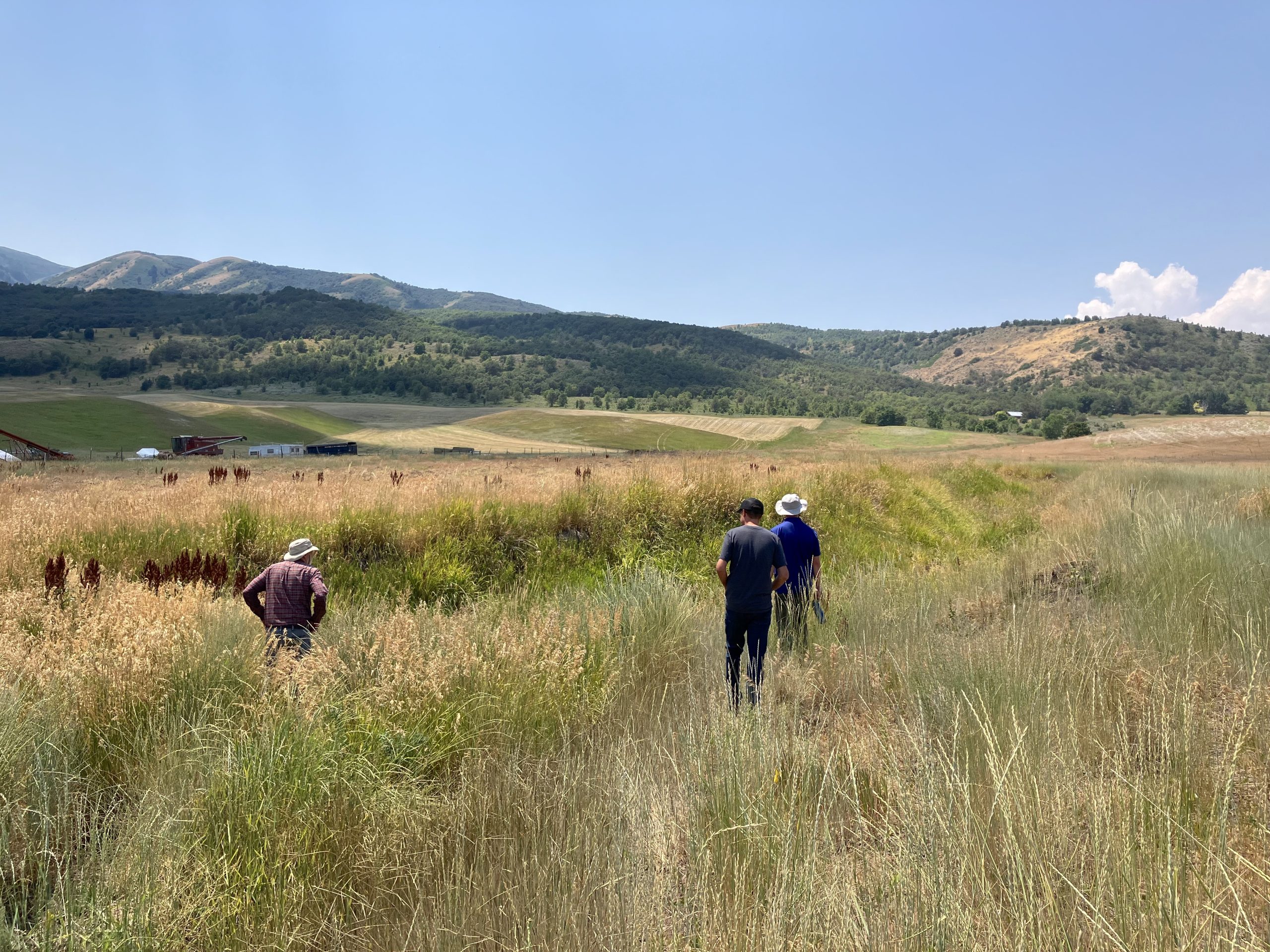
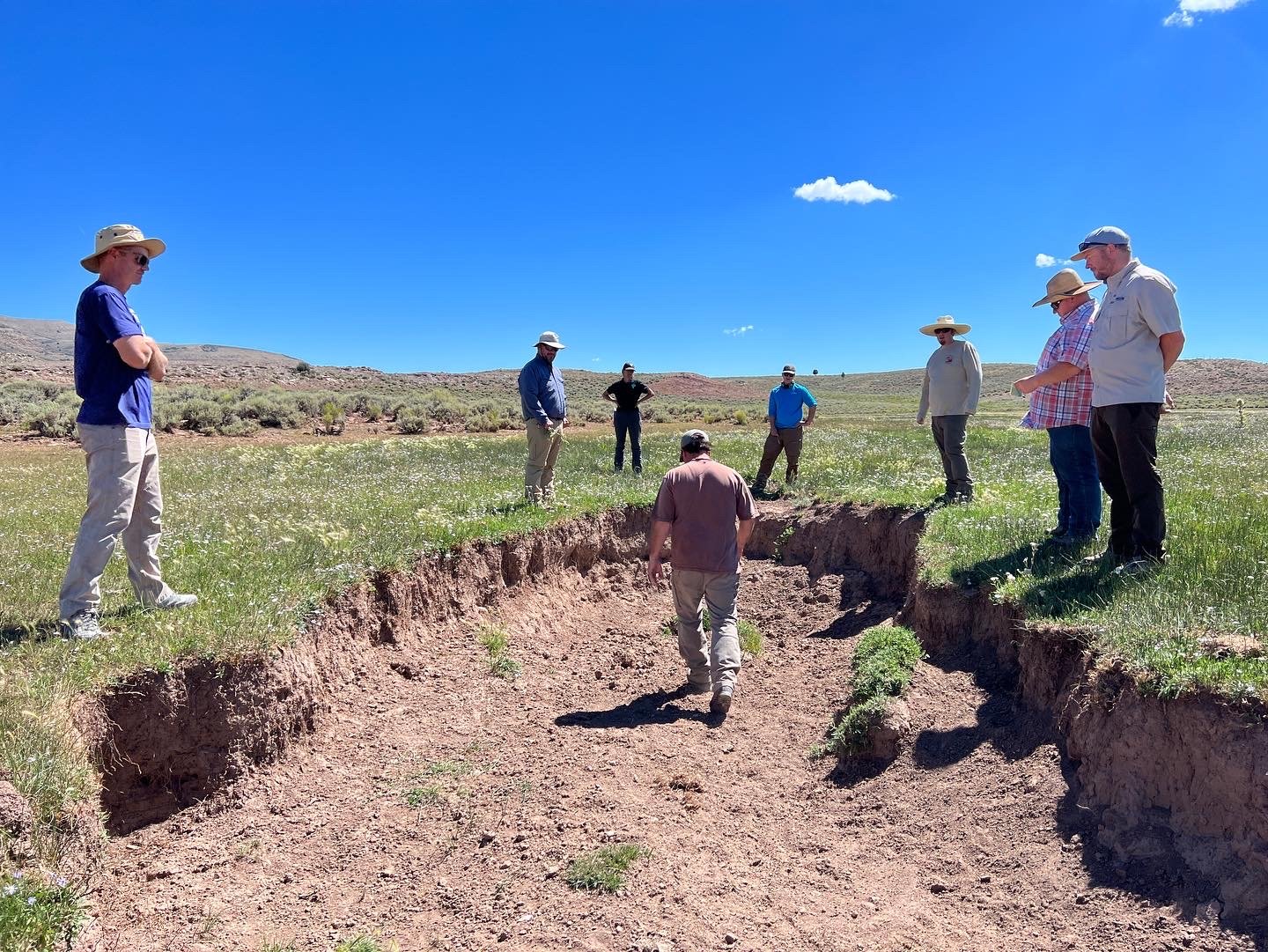
EQIP makes applying low-tech process-based restoration practices like beaver dam analogs an approachable solution for Utah landowners. It’s a hot July mid-afternoon, and Kent Baker is down in the weeds. Some of them are noxious, and those he’s working to eradicate, but many are native—grasses and sedges, tiny saplings of shrubs like chokecherry and fernbush.…
-
·
Stitching the Landscape Back Together
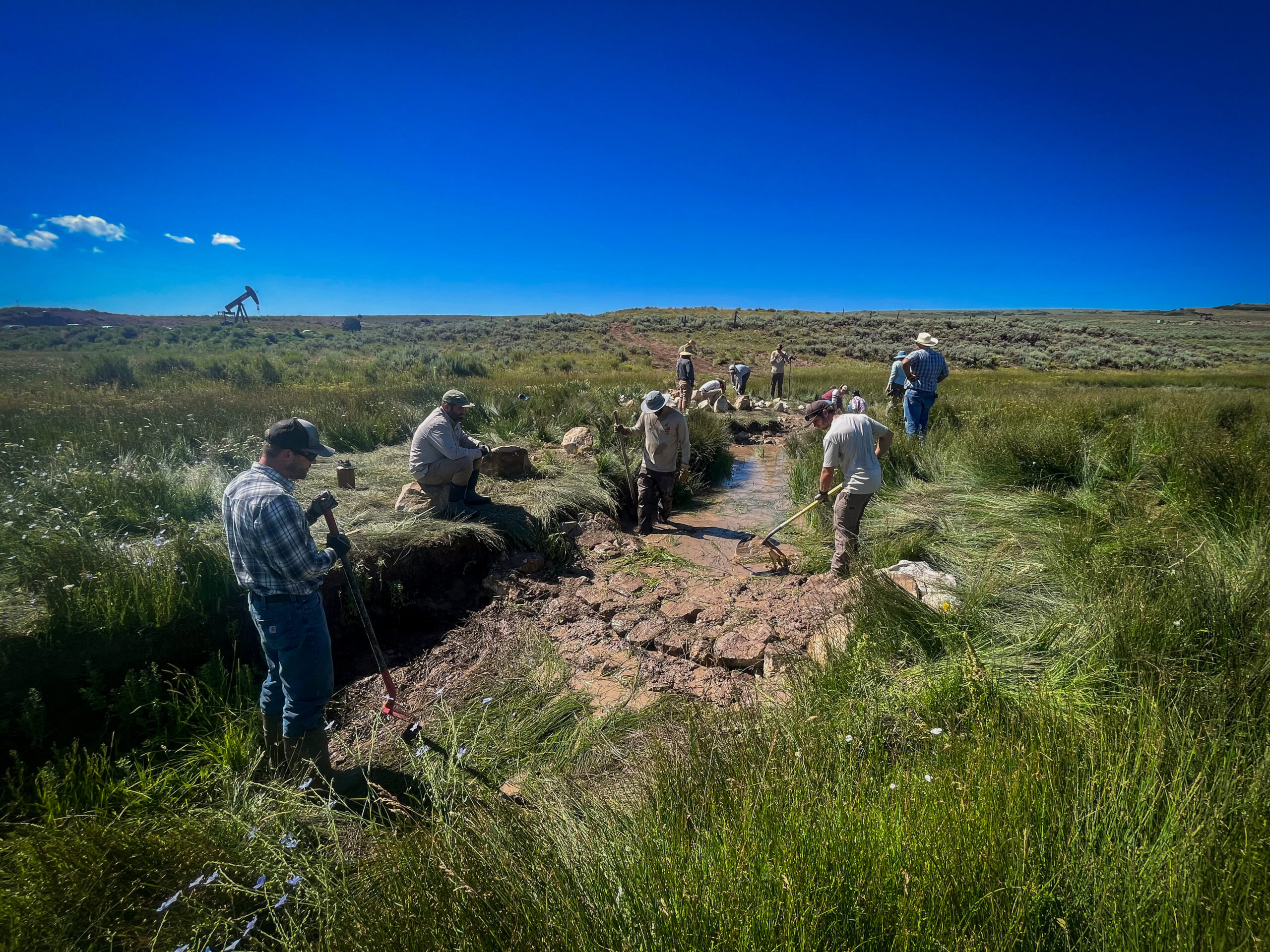
In 2021, the Biden Administration committed $10 million per year over the next five years under the Bipartisan Infrastructure Law (BIL) to the U.S. Fish and Wildlife Service (USFWS) for sagebrush ecosystem restoration. To implement this funding for priority projects such as mesic habitat restoration, which helps retain needed water on sagebrush landscapes longer, the…
-
·
A Menu of Options for Conservation
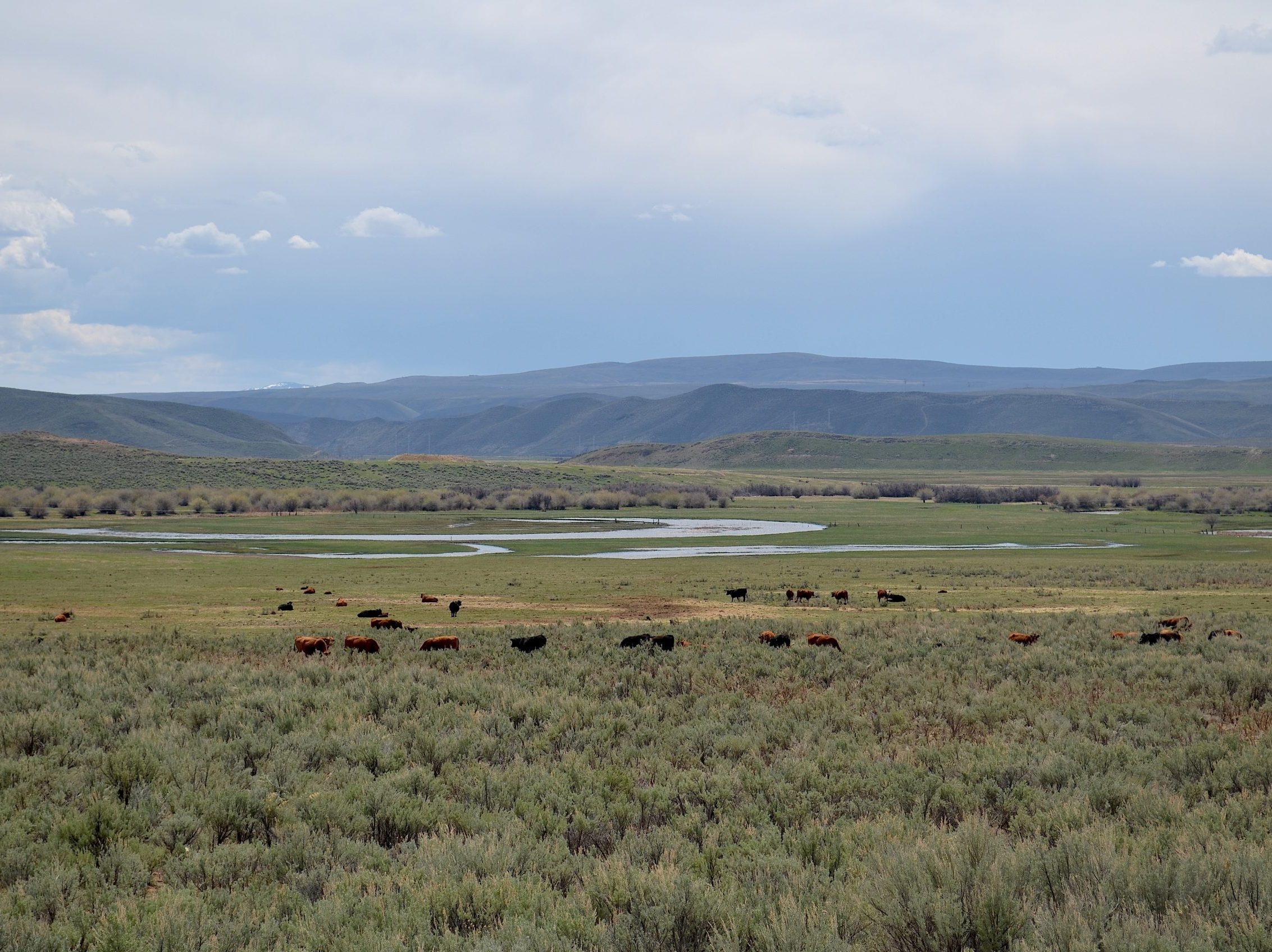
Collaboration Enhances Bear River Watershed Conservation Easements “We recognize who we are in Utah and what we have, and we want to protect it. Everyone can agree that this work is important.” – Jim Bowcutt, Director of Conservation, Utah Department of Agriculture and Food As the urban sprawl of the Wasatch Front creeps further up the…
-
·
Utah Low-Tech Wet Meadow Restoration: Virtual Workshop
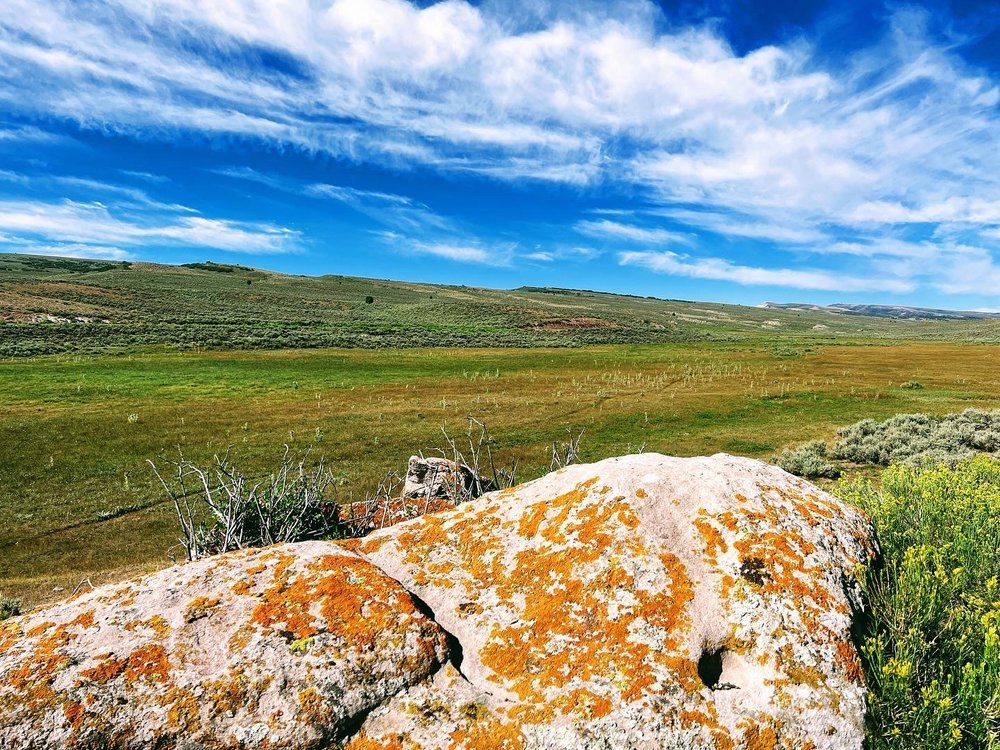
Thank you for attending this virtual workshop! If you missed this live event, please see all of the recorded modules below. Wet or mesic meadows are rare but disproportionately important ecosystems in Utah. Gully erosion and channel incision are widespread problems reducing natural resiliency and water storage capacity, which is impacting wildlife and working lands.…
-
·
Utah Low-Tech Restoration Resources
Webinar Powerpoint & Presentation Material Zeedyk Planning and Technique Resources Mapping Tools Example Environmental Assessments (EAs) People and Places Videos
-

·
Sharing the Story of the Bear
Scroll to view the storymap or see it full size here. Sharing the Story of the Bear Connecting journalists to people and place in the Bear River Watershed. Emily DowningOctober 28, 2022 The Bear River begins its journey in Utah’s high Uinta Mountains before flowing into the sagebrush sea of southwestern Wyoming, where it creates…
-

·
On the Arizona Strip with IWJV’s Sage Capacity Team
Perhaps no partnership of field-based individuals has had the breadth of impacts on the sagebrush biome as IWJV’s Sage Capacity Team (SCT). During the week of May 16th, the SCT convened in St. George, Utah, and after more than two years of virtual meetings many SCT members were meeting in person for the first time.…
-

·
Conservation Coordinator Fills a Niche in the Bear River Watershed
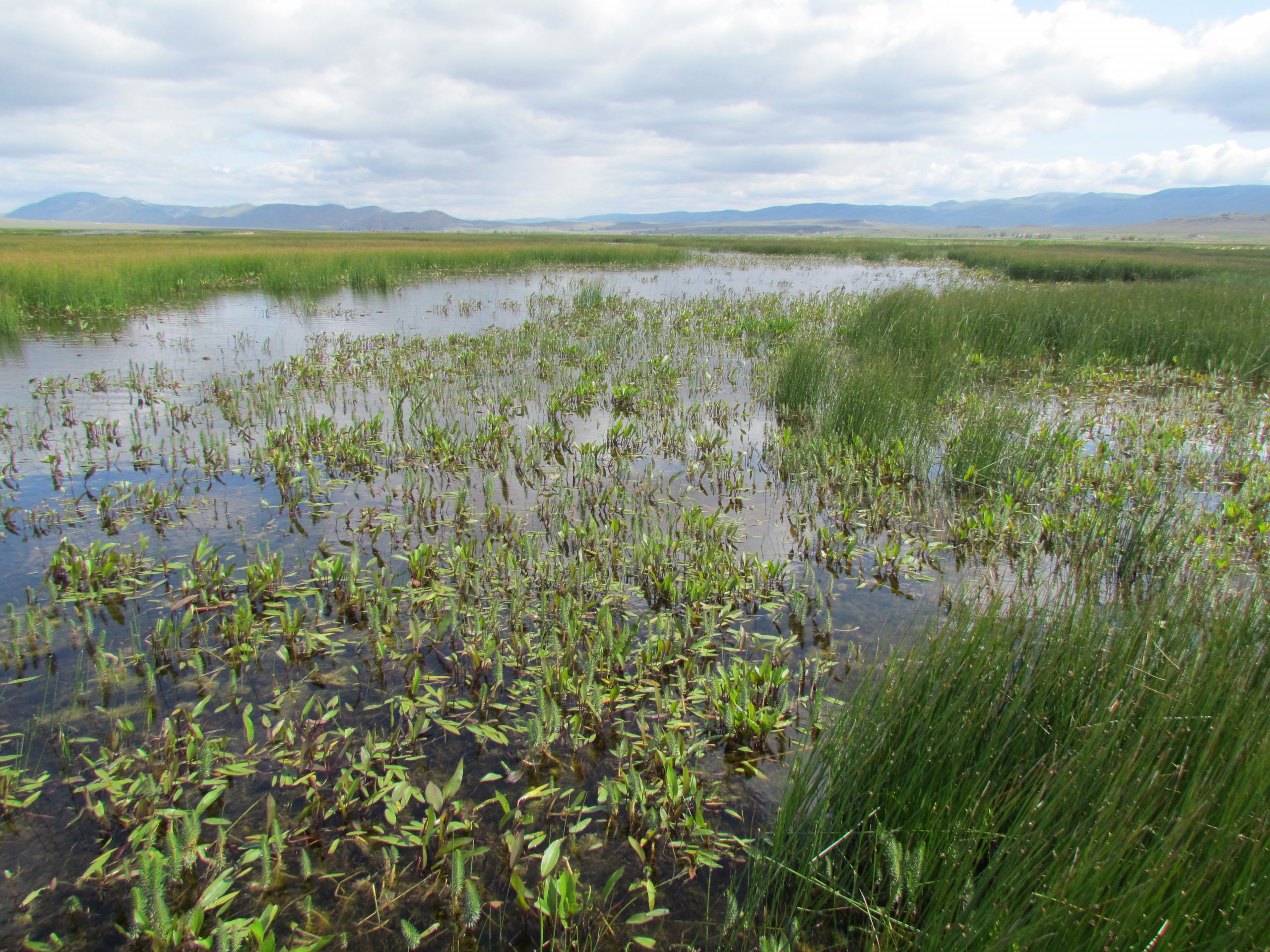
Even on a map, the Bear River Watershed is a puzzle. The river trickles out of Utah’s high Uinta Mountains into the sagebrush sea of southwestern Wyoming, where it creates lush wet meadows and productive bottomlands for wildlife, livestock, and people alike. As the creek becomes more of a river, it curves back and forth…
-
·
Partnering Up to Conserve a Watershed from the Headwaters Down
Utah’s Bear River Land Conservancy and Idaho’s Sagebrush Steppe Land Trust each faced an issue well-known to conservation organizations around the Intermountain West: too much work to do and too few people to get it done. On top of that, both organizations recognized the need for a position that could circumvent the conservation barriers presented…
