Written by Mariah McIntosh and Megan Creutzburg for the Sagebrush Technical Transfer Network
The Sagebrush Technical Transfer Network hosted a virtual panel on effective engagement with those working with technical information related to the conservation of land and wildlife habitat. This panel focused on the “how” of connecting with people who apply management best practices, science, and technology on the ground. Drawing from our panelists’ conversation, we compiled some key takeaways for engaging with users of science and data in conservation. Although our panel focused on technical transfer, we agree that these takeaways apply to all kinds of partnerships.
Technical transfer is a collaborative practice that helps people integrate relevant science, data, technology, and practices into natural resource management. When successful, technical transfer strengthens the on-the-ground outcomes of management activities.
Meet our panelists

Tracy Misiewicz, Whitebark Institute
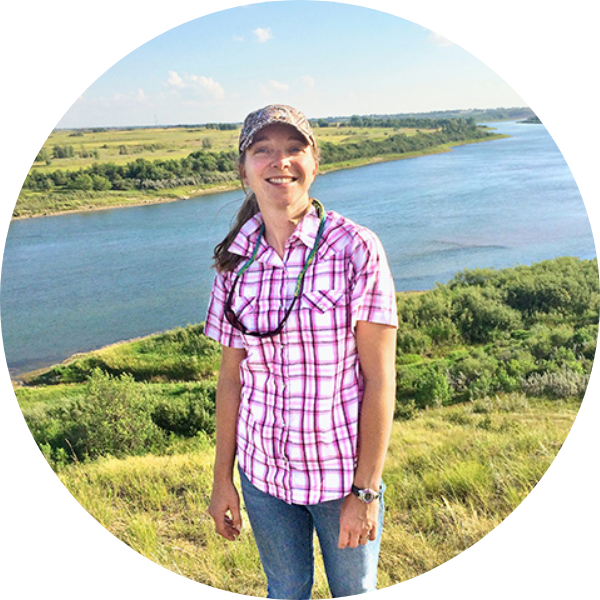
Hailey Wilmer, Agriculture Research Service

Brian Mealor, University of Wyoming
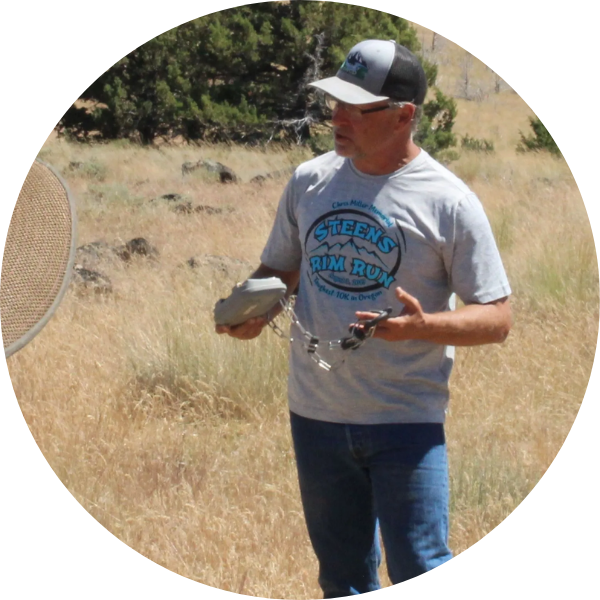
Chad Boyd, Eastern Oregon Agricultural Research Station
1. Become an expert listener
When approaching technical transfer, our panelists first show up as expert listeners rather than topical experts. The audiences of technical transfer efforts are themselves experts in their fields. Tracy Misiewicz with the Whitebark Institute suggests entering their world with the intention of listening and understanding rather than immediately delivering. In Misiewicz’s first technical transfer role, she learned quickly the value of “listening, understanding what people need, what people are worried about, and what is at the root of those concerns – and then addressing it.” In technical transfer, knowledge is transferred in both directions. Part of listening is being flexible. Although it is always important to be prepared, it is equally important to pause, reflect, and shift direction in response to your group’s input and needs.
2. Prioritize personal relationships
Personal relationships built on trust are foundational for successful technical transfer. Take it from Brian Mealor at the University of Wyoming, who has had great success engaging people in combating invasive annual grasses. Long-term personal relationships–person-to-person rather than between agencies or organizations–are the basis of this success, Mealor says. Listening and showing up are both critical to building meaningful relationships. Find out where the people you want to engage are going to be, whether that’s a Soil and Water Conservation District meeting, the local BLM office, a workshop, or the after-hours BBQ, and show up. Building relationships takes time, so don’t expect to build trust overnight. Remember, we’re all people, and we all have contributions to share. Operate from a place of respect.
3. Help people ask the right questions
When we approach technical transfer, many of us feel we are expected to provide answers. After all, what is the purpose of an expert but to answer people’s questions? Our panelists encouraged us to flip this assumption on its head and ask questions, rather than provide answers. They have found their audiences are smart, capable people who don’t need us to think for them. Rather than prescribing actions or providing definitive answers, help people use their existing knowledge and skills to think through a problem or decision, engaging additional expertise if needed. Plus, as Hailey Wilmer with the Agricultural Research Service put it, “Building the capacity for critical thinking is really empowering for young staff.” Think of empowerment as a goal of technical transfer.
Jane Mangold from Montana State University Extension exemplified the importance of helping people ask the right questions with a manager who wanted to understand when seeding would be appropriate after herbicide application for a Ventenata infestation. Rather than recommending a specific time interval between herbicide and seeding, she encouraged the manager to obtain soil from the treatment area and conduct a bioassay to determine whether seeds could germinate. This guidance empowered the manager to answer their question with some certainty and provided them with skills that could be used in a similar situation in the future.
4. Keep it simple
Sometimes, technical transfer does involve specific messaging. We may be intentional about what we want people to take away. When crafting those messages, remember that people’s attention is limited and overtaxed. Taglines like “defend and grow the core” are adopted into common language more readily than highly technical, albeit more nuanced and detailed, messages. Even when more complex or nuanced information is needed, starting with the most ‘simple and powerful’ messages helps your audience keep the big picture in mind and avoids leaving people behind.
5. Look for force multipliers
Each of us has a limited capacity to engage in technical transfer. To increase impact, our panelists look for “force multipliers”. This can mean finding additional messengers, who may be able to carry your message farther and wider than you could on your own. Build a relationship with the change-makers or influencers in a community. Collaborate with organizations or individuals who are trusted by landowners or other local partners, such as Soil and Water Conservation Districts or Weed and Pest Districts. Find a neighbor or a colleague to carry your message, rather than someone with expert technical knowledge but limited communication skills or community trust. Advice from Eastern Oregon Agricultural Research Center’s Chad Boyd? “Find those people who are in those trust positions, and figure out what you can do to empower them to do what it is that they do, to get them a microphone. Because they can make a difference.”
This content was created for the Sagebrush Technical Transfer Network.