Field Notes
By Montana MacConnell, Idaho Cattle Association
Montana works as the Member Programs & Services Manager for the Idaho Cattle Association. A partnership between the Intermountain West Joint Venture, Idaho Cattle Association, and the USDA Natural Resources Conservation Service – Idaho is helping to connect ranchers to Farm Bill programs across the state. This Field Note was originally published in the December 2025 issue of Line Rider magazine.
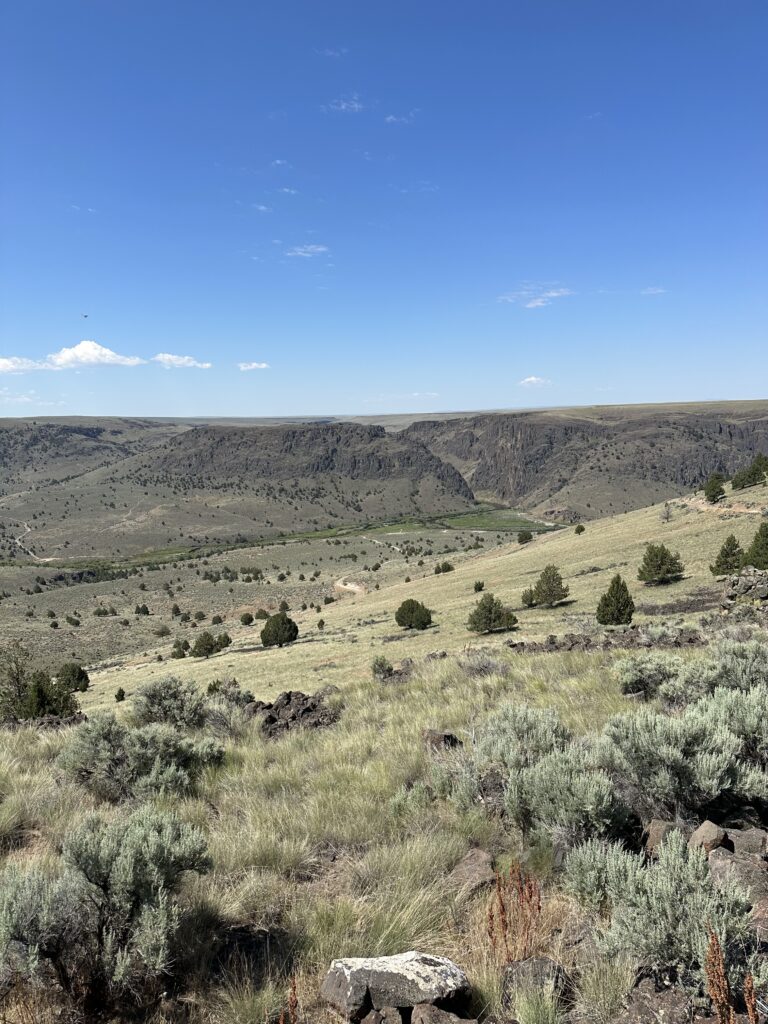
There are 178 miles between the ICA office in Boise and the ranch where I grew up, so every time I drive home to help with the cows—which is often—I get plenty of highway time to think. My mind wanders through the usual useless topics, but as I scan the horizon, dotted with cows for much of the drive, I always circle back to one question: What can we do to improve our ranch?
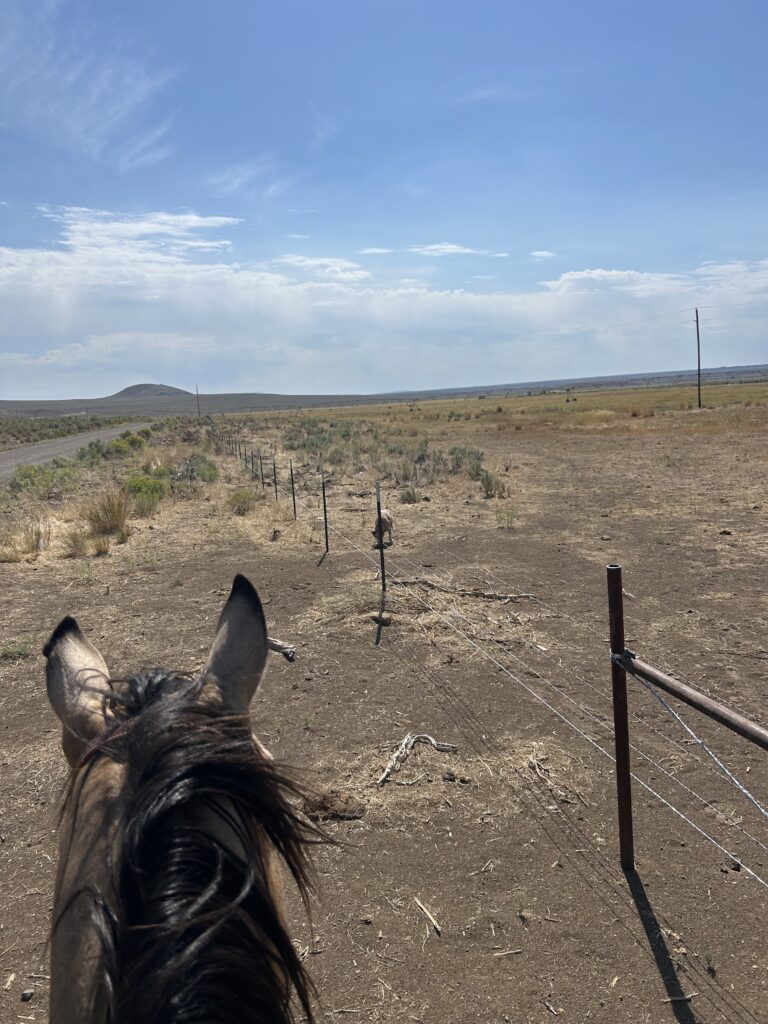
In the spring, a glimpse of lingering snow in the mountains sparks thoughts about water improvements. How long will the springs run this year? Are the troughs in top condition? A herd of elk watching from a hillside reminds me of a stretch of fence they destroy every winter—and makes me wonder whether switching to wildlife-friendly fencing would finally solve the problem.
But no matter which idea I turn over, the road always seems to lead to the same hard truth: improvements cost money. In an industry where margins are tight and every decision feels like a balancing act, major projects often stay stuck in the “someday” category.Yet there are ways to make those goals more attainable—and even strengthen your bottom line in the process. And with the recent federal shutdown now officially in the rearview, agencies are once again opening their doors, processing applications, and funding projects producers have been waiting on.
When Improvements Become Investments
The idea behind many federal and state programs is simple: healthy landscapes create healthy cattle and healthy wildlife, which benefits everyone—from the ranching family to the public. But the real value to ranchers is financial. A cost-share on a $60,000 water system or a $25,000 fencing project can be the difference between “can’t afford it” and “let’s do it this year.”
Below is a practical, no-nonsense guide to the programs Idaho ranchers use most—what they offer, how they help, and what to know before diving in.
NRCS: The Workhorse of On-Ranch Improvements
USDA’s Natural Resources Conservation Service (NRCS) can be considered the backbone of financial assistance opportunities. Through the Environmental Quality Incentives Program (EQIP) and Conservation Stewardship Program (CSP), ranchers can access funding for:
- Water development: pipelines, troughs, spring boxes, wells
- Cross-fencing and wildlife-friendly fencing
- Prescribed grazing support
- Riparian improvements & erosion control
- Fuel reduction and rangeland restoration
Water developments improve grazing distribution, add AUMs, and reduce stress on cattle. Wildlife-friendly fencing lowers annual maintenance and prevents further wildlife-related damage, and with financial assistance can be the perfect way to upgrade an old fence. Riparian work protects critical water sources for both livestock and wildlife. These projects all represent a win-win scenario for ranchers involved!
However, NRCS programs can be competitive. Your ranking score matters. And paperwork takes time—start early. The shutdown slowed activity briefly, but offices are now taking appointments and scheduling field visits again.
BLM and USFS: Improvements on Allotments
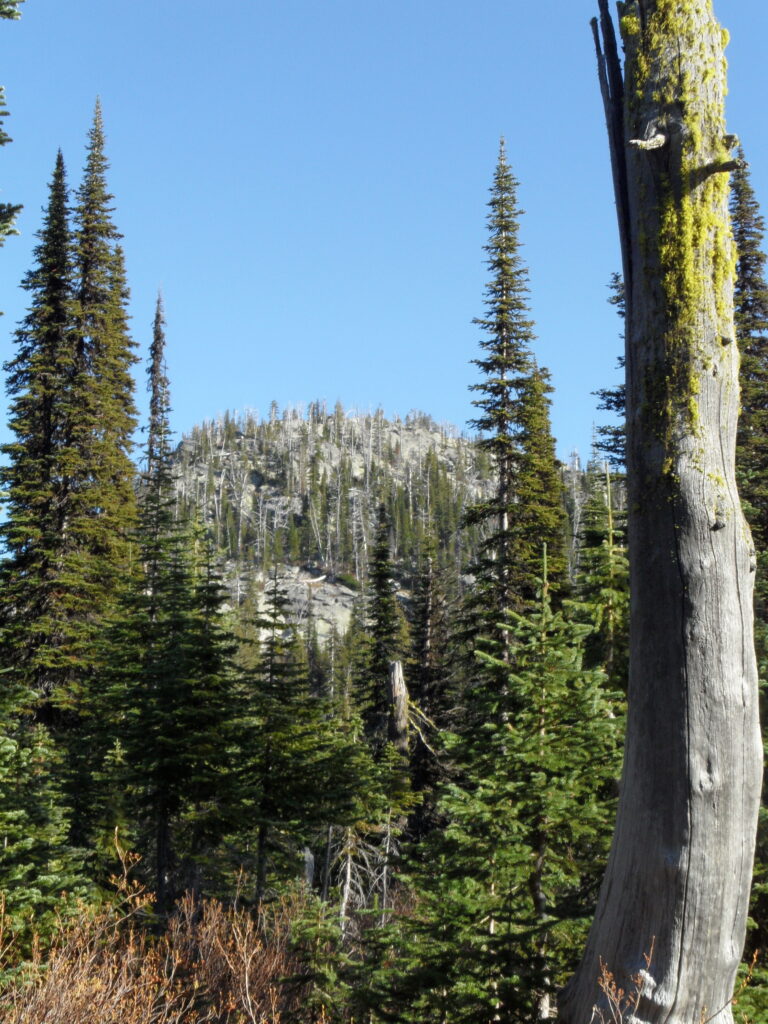
For Idaho ranchers who run cattle on public land, the Bureau of Land Management (BLM) and U.S. Forest Service (USFS) offer funding and technical assistance for:
- Pipeline repairs and trough upgrades
- Exclosures and riparian fencing
- Spring developments and maintenance
- Brush management, juniper removal, and post-fire rehab
- Water storage and haul-reducing systems
These projects aren’t just boxes to check—they protect forage and improve conditions for livestock, while maintaining compliance with permit requirements. Federal agencies often supply material, labor, or both, cutting the producer’s cost dramatically. In some cases, ranchers only cover in-kind work.
It is important to note that timelines can be slow. NEPA reviews, wildlife timing restrictions, and agency workload affect how quickly projects move. Expect patience to be a necessary tool for these projects.
ISDA’s Rangeland Improvement Program
Less talked about (but extremely valuable) is the Idaho State Department of Agriculture’s Rangeland Improvement Program, which supports:
- Water systems on state or private rangeland
- Structural repairs after fire or wildlife damage
- Noxious weed control
- Fence replacement and targeted grazing projects
Because it’s statewide and not federal, the program tends to move faster than its federal counterparts. Producers can leverage ISDA funds with NRCS or BLM funds for larger, multi-year projects. It’s one of the most flexible tools available to Idaho ranchers.ng appointments and scheduling field visits again.
Land Trusts & ACEP: When Conservation Pays Real Money
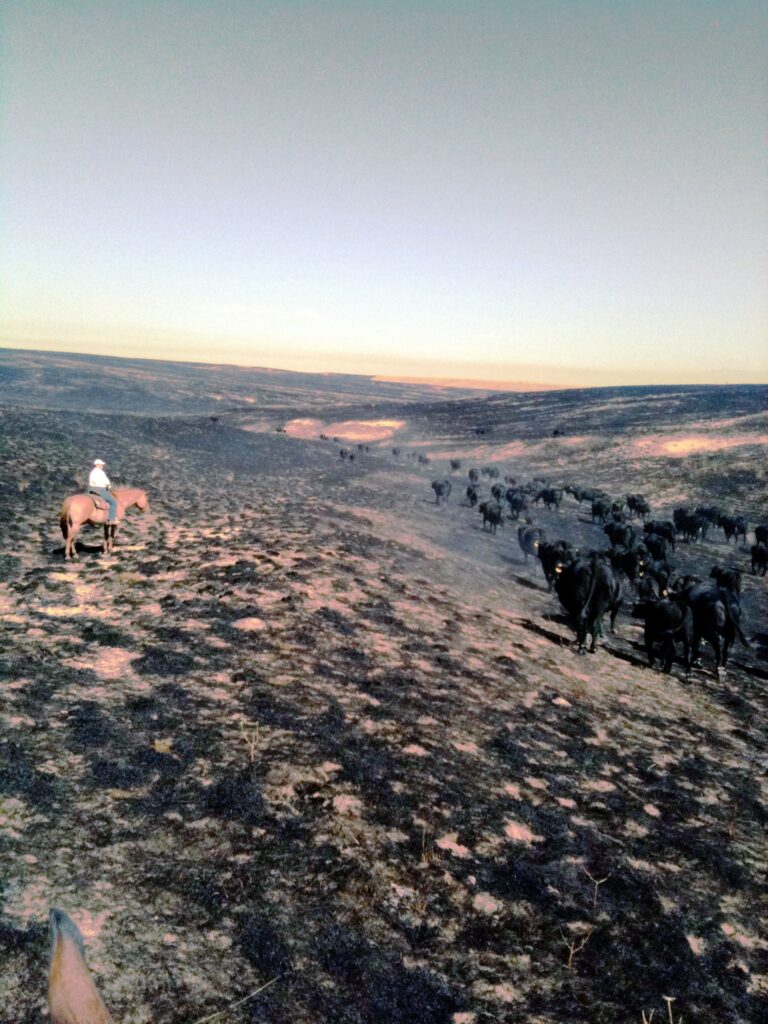
For ranchers who want to preserve their operation long-term, working with a land trust can unlock significant financial value. Idaho land trusts regularly partner with USDA-NRCS to implement the Agricultural Conservation Easement Program (ACEP).
Through ACEP-ALE funding, landowners can receive payment for:
- Permanently conserving working rangeland
- Restricting subdivision or development rights
- Maintaining agricultural use and grazing
A conservation easement is not a fit for every ranch. But for those committed to long-term ranch continuity—and wanting a sizable infusion of capital to expand, pay debt, or reinvest in infrastructure—it can be transformative.
What to consider:
Payments can be substantial enough to change the financial trajectory of a family business.
Easements last forever and can restrict future non-agricultural development.
Grazing flexibility can usually be preserved, depending on the land trust.
U.S. Fish & Wildlife Service: Habitat Partnerships That Pay Off
USFWS isn’t just about endangered species—it has several voluntary programs built to support ranching operations that provide wildlife habitat. The Partners for Fish and Wildlife Program is specifically designed to work with private landowners to manage wildlife that uses their land.
Common offerings include:
- Cost-share for wildlife-friendly fencing
- Sage-grouse habitat projects
- Wet meadow restoration
- Riparian enhancements
- Invasive species control
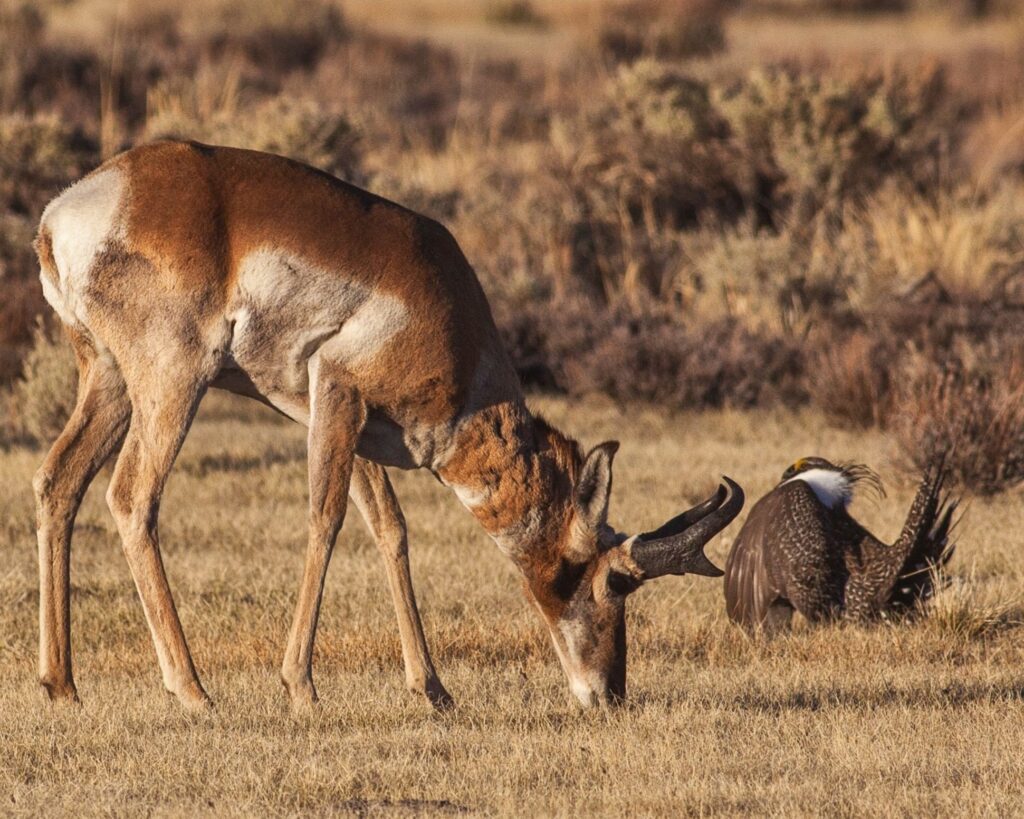
These programs can be layered on top of NRCS or state funding. If wildlife is already on your place—elk, deer, sage-grouse, wolves, waterfowl—you’re eligible for support that reduces the financial burden of coexisting with them.
How Do You Get Started?
A few practical steps:
- Call your local NRCS office first. They often know about partnerships with other agencies and cross-agency funding.
- Line up your projects for the next 3–5 years. Most funding cycles require foresight, so think ahead.
- Keep everything documented. Maps, photos, grazing plans—these all help ranking scores in NRCS programs and make it easier for federal and state agencies to justify funding.
Don’t be discouraged by “no” or “not this year.” Funding cycles and agency priorities change, so even if you can’t get funding this year, persistence often pays off in the long run.
The Road Between Where You Are and Where You Want to Be
At the end of the day, every producer has their own version of that long highway drive—those quiet miles where ideas surface, problems untangle, and the future of the ranch comes into view. The questions we ask ourselves are familiar: How do we stretch our water? How do we steward our range better? How do we protect wildlife, cattle, and our checkbooks all at once?
The answer doesn’t come from any single program, agency, or funding source. It comes from knowing what’s available, asking the right questions, and working with state and federal partners to piece together solutions that fit the landscape you call home. Whether it’s NRCS financial assistance for water systems, BLM or USFS range improvements, ISDA’s on-the-ground support, land trusts and ACEP easements that keep working lands working, or USFWS partnerships that balance production and habitat—each tool helps make those “someday projects” a little more reachable.
And so, the next time you’re driving your own 178 miles, you might look out at the cows, the snowline, the elk-torn fence, and realize that improvement isn’t just wishful thinking. With the right mix of programs and partnerships, the projects that once seemed out of reach may finally be within grasp, making your operation stronger for the next generation of travelers on that same road.
Are you an Idaho rancher interested in how these programs may apply on your operation? Reach out to the ICA office at (208) 520-7241 or email me at [email protected].