-
·
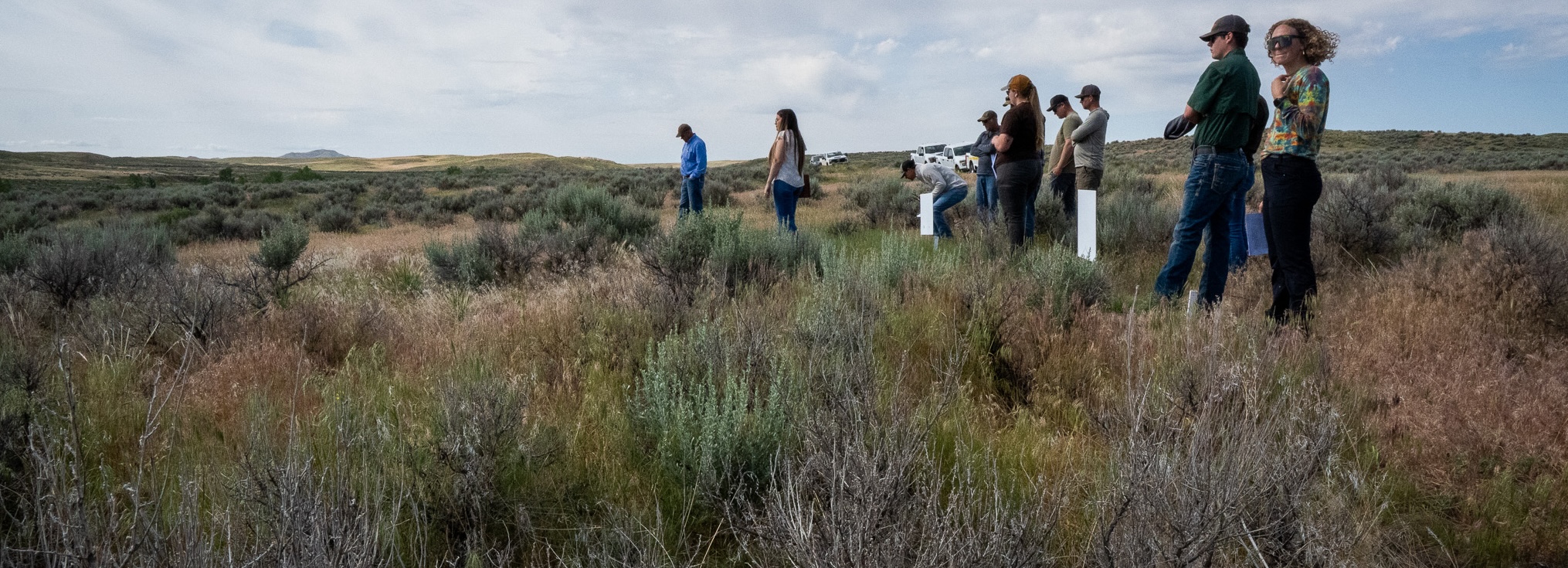
Cheating Wyoming’s Wildlife and People? Not if Nancy Has a Say
Understanding and applying two herbicides to control invasive annual grasses in Wyoming’s geography takes careful consideration and partnership. Story and photos by Hannah Nikonow, IWJV Communications and Marketing Coordinator Nancy Webb sees what Wyoming stands to lose if she and others don’t take action now. As the Invasive Annual Grass Coordinator for the BLM’s Wind…
-

·
Habitats Helped in Wyoming: Updates from the Sage Capacity Team
Members of the Partnering to Conserve Sagebrush Rangelands’ Sage Capacity Team have been hard at work across the Intermountain West, making progress on habitat improvement projects within their local communities on behalf of the Bureau of Land Management and the Intermountain West Joint Venture. These latest updates take us to Wyoming, where project coordinators are…
-

·
IWJV Featured in “On the Ground” Podcast
The IWJV’s Partnering to Conserve Sagebrush Rangelands is featured in a new episode of the Bureau of Bureau of Land Management’s podcast, On the Ground. Listen here!: The episode interviews Grace Hershberg and Ethan Kalinowski. These two members of the IWJV’s Sage Capacity Team are stationed in different corners of Montana to facilitate ecological restoration…
-

·
Field Notes: Softening Stark Divides
Andrew Olsen Field Notes is a compilation of first-person essays composed across many years by IWJV partners, board members, and staff. Our professional work in collaborative conservation is inspired by our personal experiences, relationships, and conversations in the field. That “field” can look very different depending on the work at hand: Sometimes it is one of…
-
·
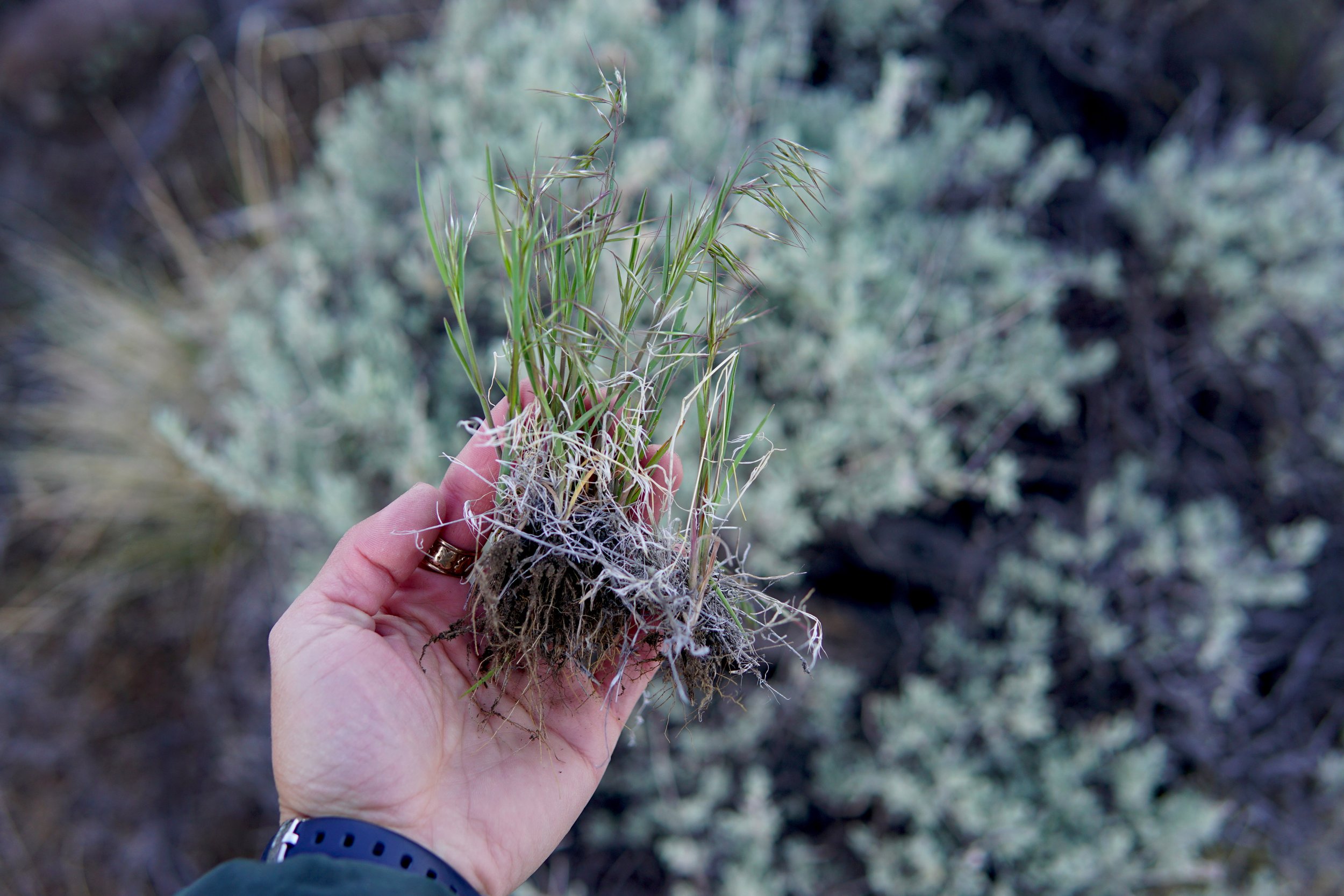
New Study: Vegetation Trends Across BLM Allotments Over 30 Years
Keeping a close eye on plant life across millions of acres of public lands allotments is an overwhelming challenge in and of itself. The challenge is amplified by drought, aridification, and increasing environmental as well as social challenges. Yet, new research provides land managers insight into just how they can get a handle on how…
-

·
Taking to the Sky to Defend the Sage
In the most northwestern county in Colorado, healthy sagebrush habitat abounds. Large herds of big game move across the land and migratory birds such as sage thrashers and Brewer’s sparrows return, year after year, to spend the warmer months. As threats facing the West’s sagebrush biome expand, however, partners in Moffat County are working quickly…
-
·
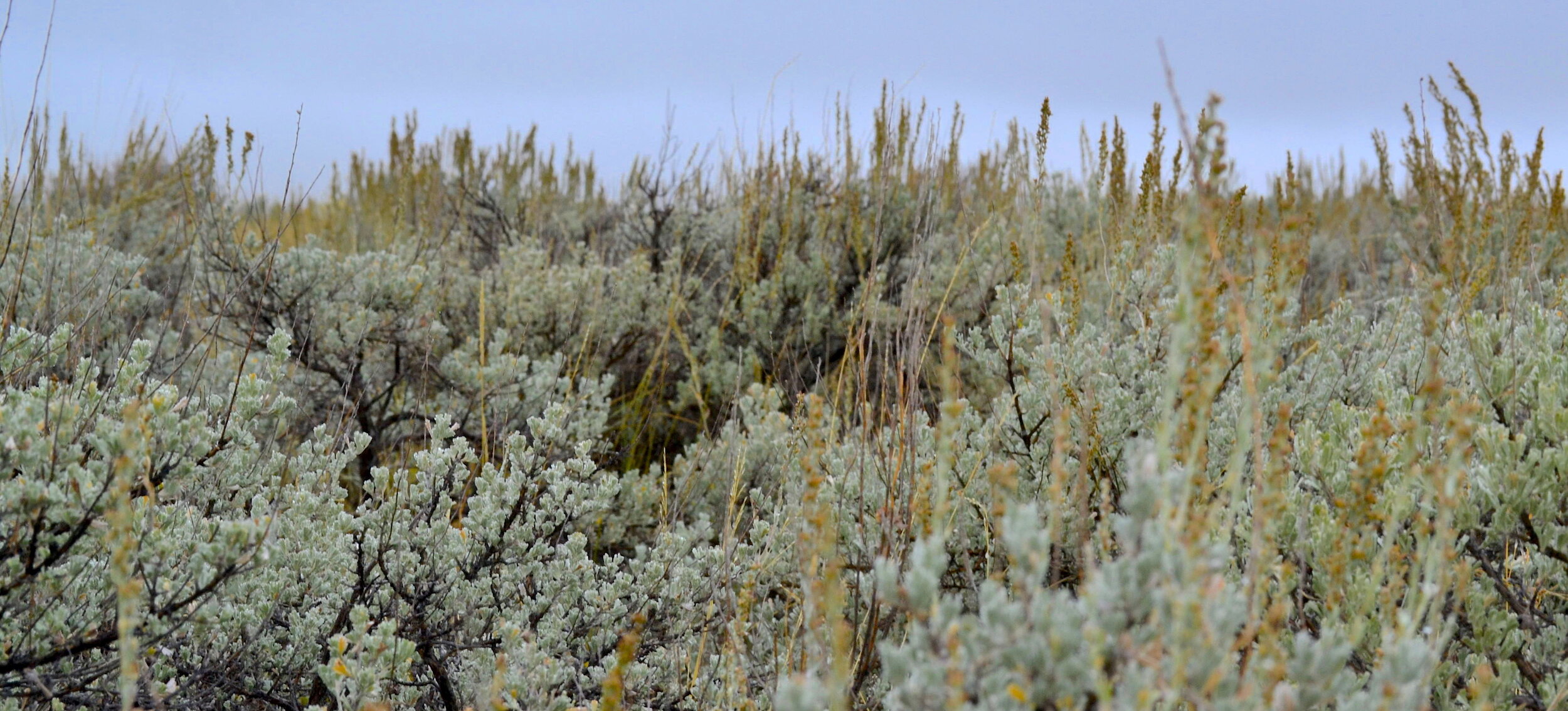
Sagebrush Conservation Design Released
September 22, 2022 This week the U.S. Geological Survey and other federal agencies released a report showing a staggering 1.3 million acres of sagebrush habitat are being lost annually. Called “A Sagebrush Conservation Design Framework to Proactively Restore America’s Sagebrush Biome,” this new body of science uses some of the latest mapping tools to identify…
-

·
A Southwest Success Story at Watershed Scale
If a person were to park on the border of Arizona and Nevada, step out of their vehicle, and start walking east across the Bureau of Land Management’s Arizona Strip District, it would be many days, perhaps even weeks, before they reached the other side. The scale of the landscape is nearly incomprehensible. There is…
-
·
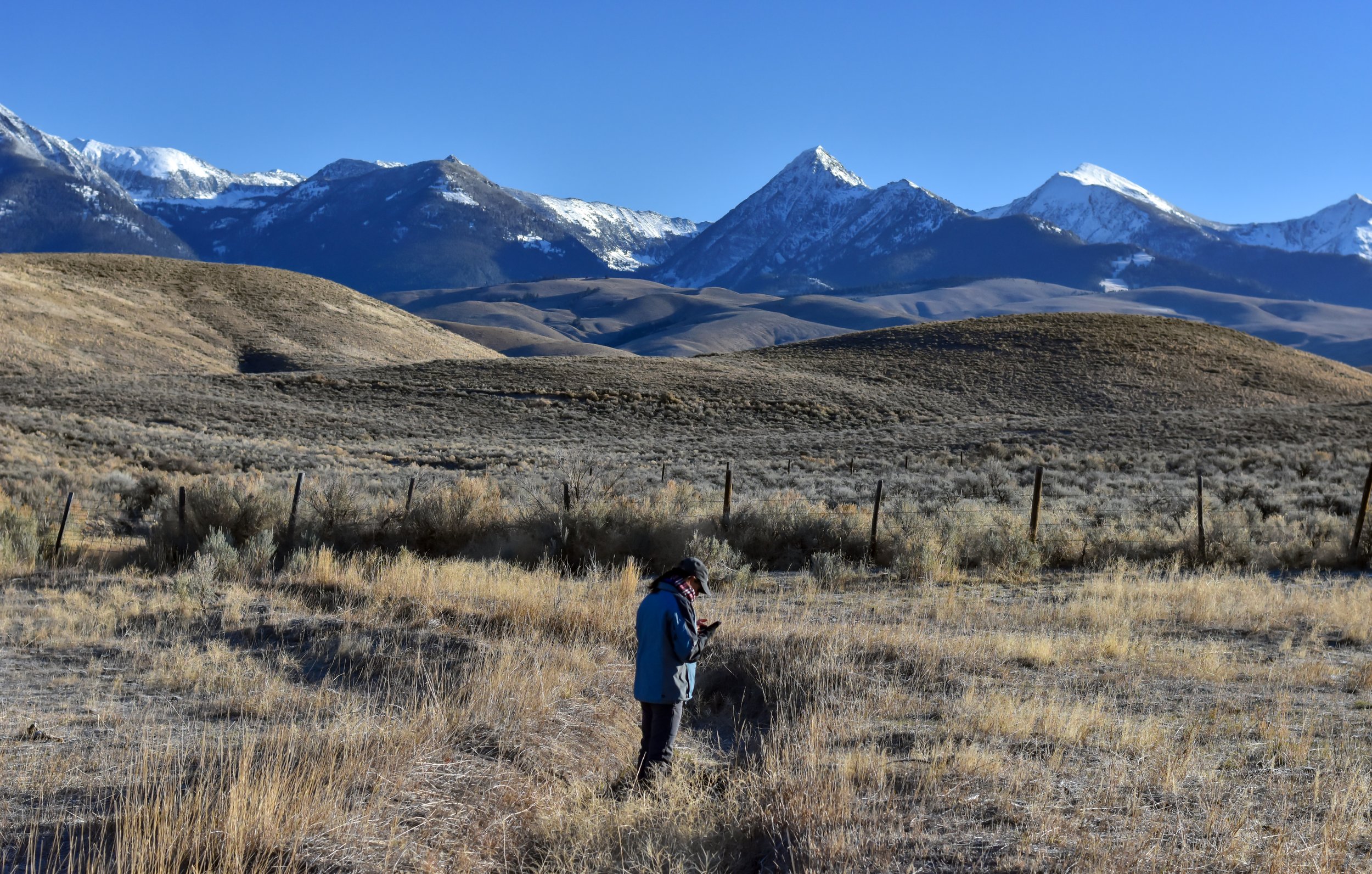
From the Inside Out: Local Cheatgrass Treatment Aids in Landscape-Scale Habitat Resiliency
“Proactive, not Reactive.” This is the mantra of partners in Lemhi and Custer County, Idaho who are working to address cheatgrass and other non-native plants in sagebrush rangelands. These remote central Idaho counties contain some of the most intact, high-quality sagebrush habitat remaining in the state, often referred to as “core” habitat. Central Idaho’s core…
-
·
Protecting Carbon Stored in Western Rangelands
Western rangelands and grasslands are being recognized for their ability to protect stored carbon long into the future. Rangelands are vast and store over 25% of carbon found in western ecosystems. As the climate warms and the west experiences more extreme weather events like drought and fire, as well as landscape-scale changes like conifer expansion…
