-

·
The Power of Information: Inventories, Assessments, and Monitoring
Restoration is rarely a single action. It is a process. Before crews can treat an invasive plant like cheatgrass, partners need to understand where it is, how it is spreading, and where limited resources can make the greatest difference. That requires field inventories and monitoring, shared data, spatial prioritization, project planning, environmental review under NEPA…
-

·
VIDEO – Hunting Cheatgrass in Southwest Montana
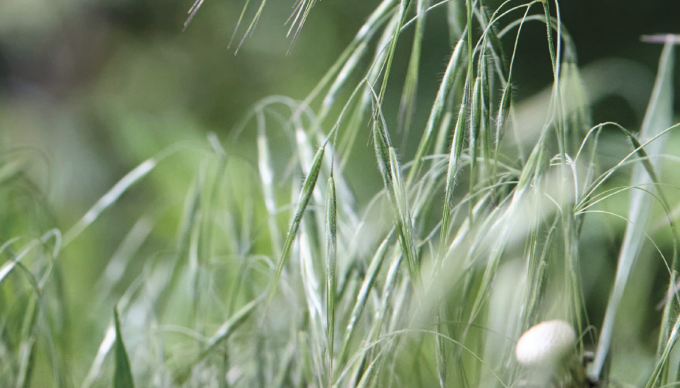
What does it take to keep an entire landscape safe from an invasive grass like cheatgrass—and the worsening wildfire it causes? In southwest Montana, keeping sagebrush rangeland habitat healthy and wildfire fuels at safe levels is a team effort. The work goes farther than treating for flammable invasive annual grasses like cheatgrass: A whole partnership…
-
·
Grasses, Grasses Everywhere and Not a Bite to Eat
When cheatgrass sweeps across the rangelands of Wyoming, everyone suffers the loss. Check out this article in the August 2026 edition of Wyoming Wildlife magazine from the Wyoming Game and Fish Department featuring Wind River/Bighorn Basin District Invasive Annual Grass Coordinator Nancy Fleming. This article is just one result of our 2026 Journalist Workshop on…
-
·
The Land Gives Back: Three Hunter-Conservationists Take Us Along
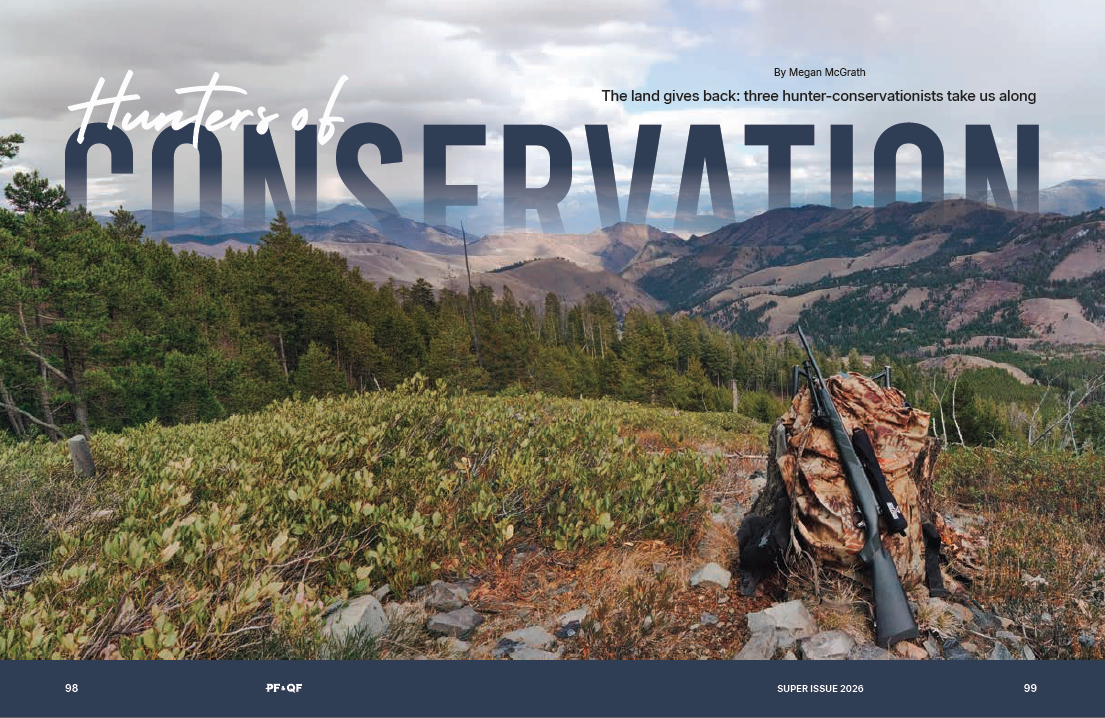
These three conservation professionals are employed by Pheasants Forever to improve critical wildlife habitat. They also happen to be hunters—and the things they notice while out on the hunt enable them to make their landscapes work better and better to support the game species we all value. The IWJV is proud to partner with Pheasants…
-

·
Protected: Thinking Like A Weed Scientist: A Discussion Support Guide
There is no excerpt because this is a protected post.
-
·
Journalists Explore Invasive Grasses and Rangeland Fire in Wyoming
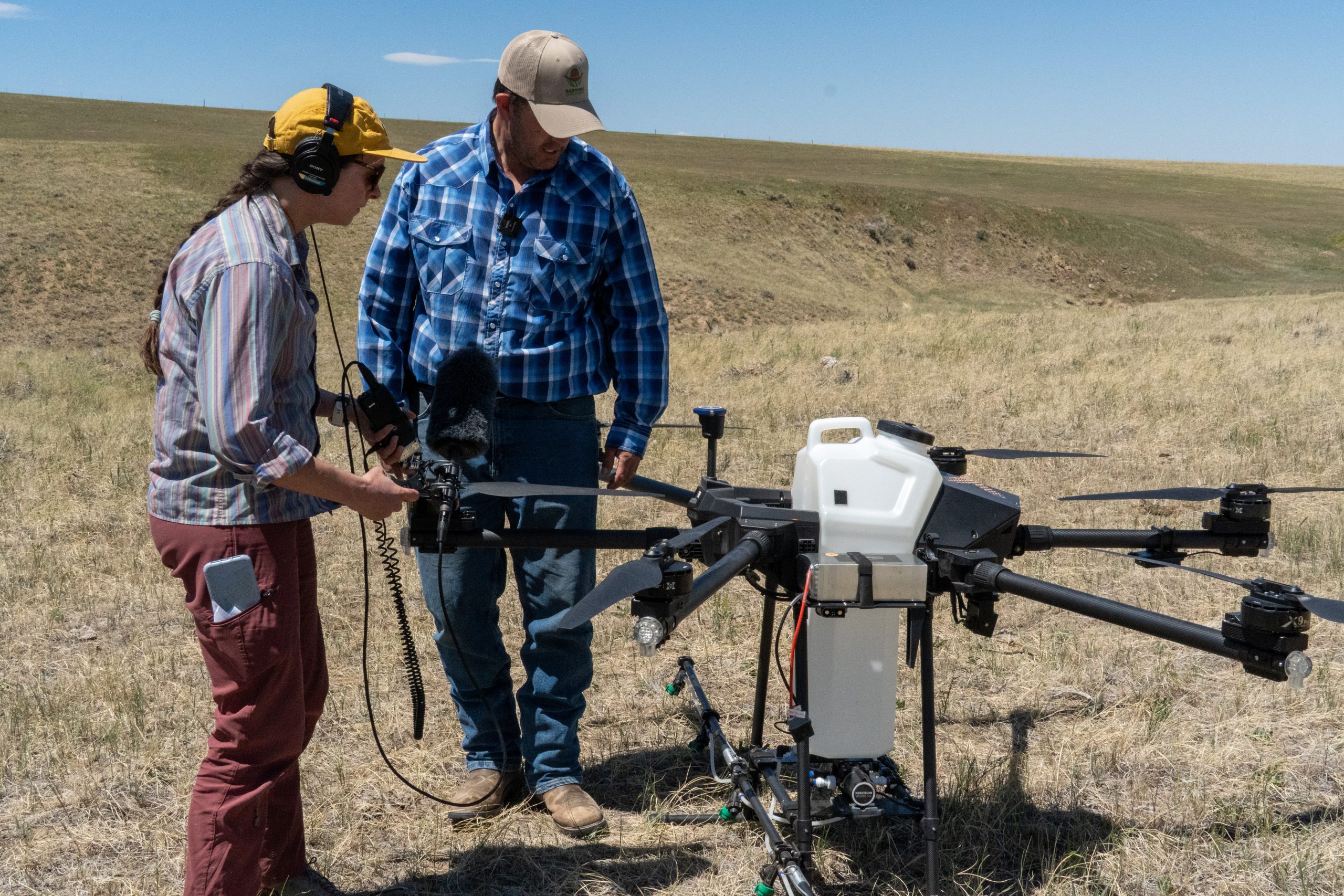
From Our Communications Shop Journalists Explore Invasive Grasses and Rangeland Fire in Wyoming In June, the Intermountain West Joint Venture, in partnership with several organizations, hosted a workshop for journalists in Thermopolis, Wyoming. The event brought over a dozen mass media professionals together who write for newspapers and magazines, make podcasts, and work as videographers…
-
·
Meet Five Advocates for Oregon’s Rangeland
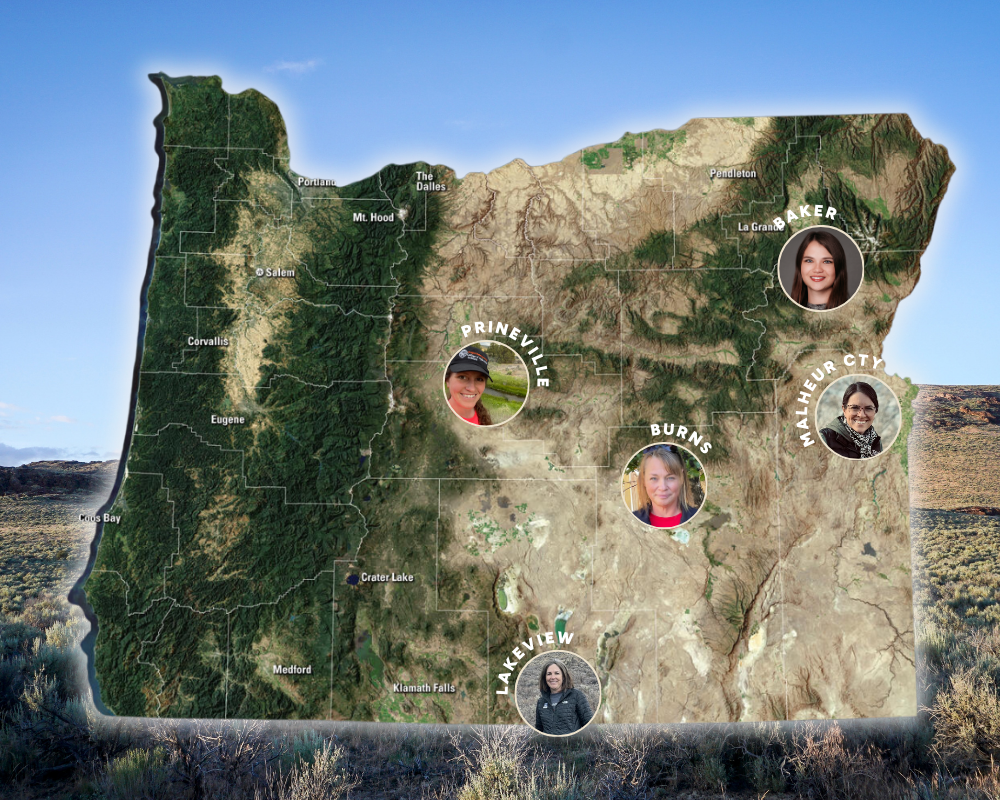
Oregon’s Local Implementation Teams (LITs) are collaborative local stakeholder groups spanning five regions of the state’s sagebrush rangeland ecosystems. Originally established in 2011 as part of the Sage-Grouse Conservation Assessment and Strategy, these groups bring landowners and resource managers together to collectively determine priority conservation needs in the face of habitat threats like drought, wildfire,…
-

·
How Changing Landscapes Drive Mule Deer Declines—And What We Can Do About It
How Changing Landscapes Drive Mule Deer Declines—And What We Can Do About It In the journal Ecological Applications, a recently published paper looks at mule deer population trends in Wyoming. Called “Integrating climate and anthropogenic dynamics can inform multifaceted management for declining mule deer populations,” a few of the paper’s co-authors answered questions about their…
-

·
The Sagebrush Tells the Story
Field Notes The Sagebrush Tells the Story By Sarah Leal, Susanville Rangeland Conservationist Sarah Leal is a Rangeland Conservationist in Susanville, California and a member of the IWJV’s Wetlands Capacity Team. She assists the Natural Resources Conservation Service in establishing conservation plans on farms, ranches, and other private lands to enhance soil, water, plants, wildlife…
-

·
Defend YOUR Core: An Invasive Annual Grasses Story
Imagine a landscape that is completely dominated by cheatgrass. Instead of native grasses, wildflowers, sagebrush, and the call of songbirds, picture a monoculture of dried non-native grasses, mostly devoid of life and ready to ignite from the smallest spark. If we do not act, this could be the future of much of our western rangelands.…
