-
·
Wetland Evaluation Tool
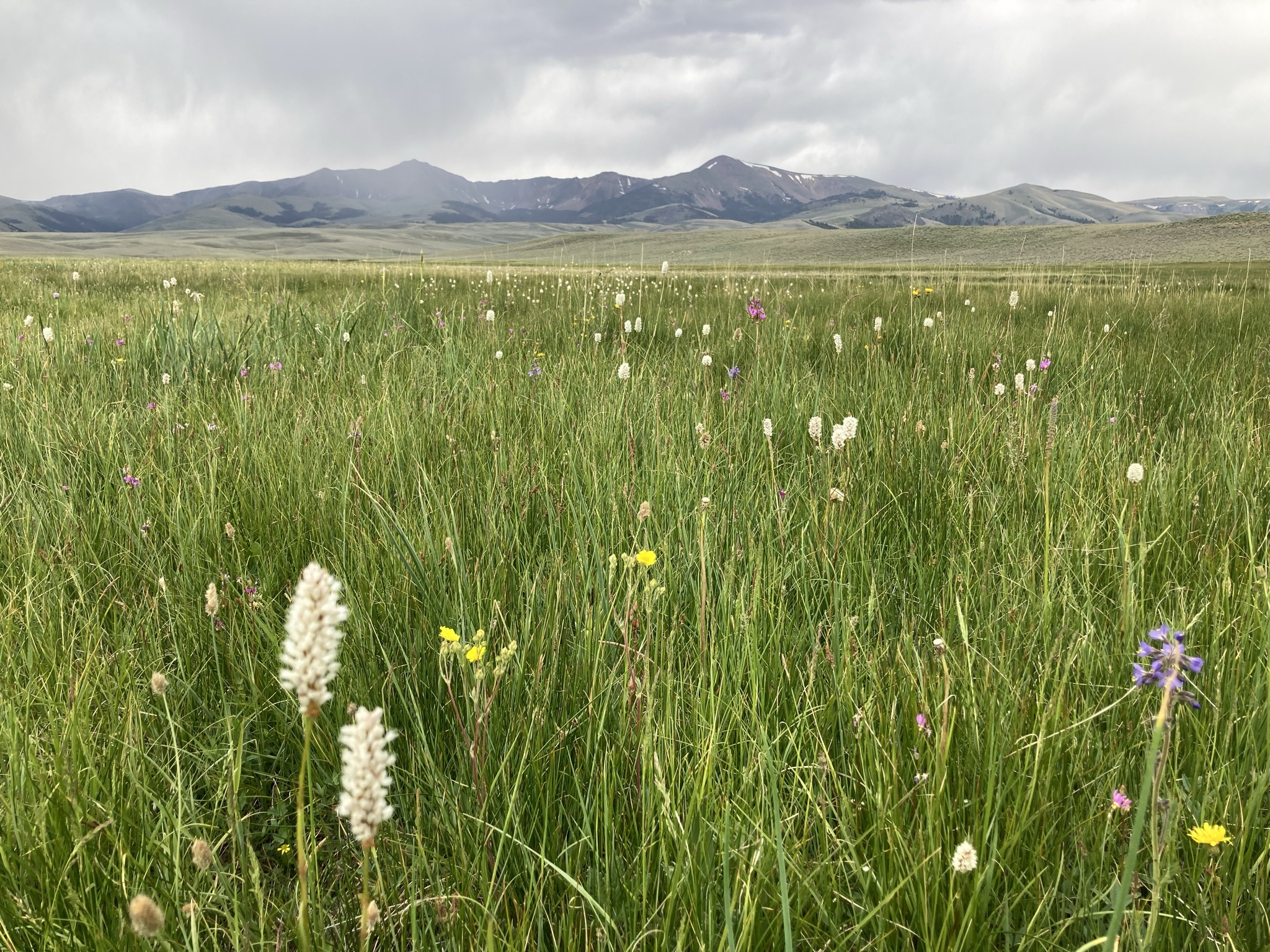
ABOUT THE WETLAND EVALUATION TOOL (WET) To understand how wetland drying is affecting the Intermountain West, IWJV researchers are using satellite imagery to monitor the timing and duration of seasonal flooding on both natural and agricultural wetland habitats (the latter being primarily flood-irrigated hay or grain fields flooded postharvest) from the mid-1980’s to the present-day.…
-
·
Utah Low-Tech Wet Meadow Restoration: Virtual Workshop
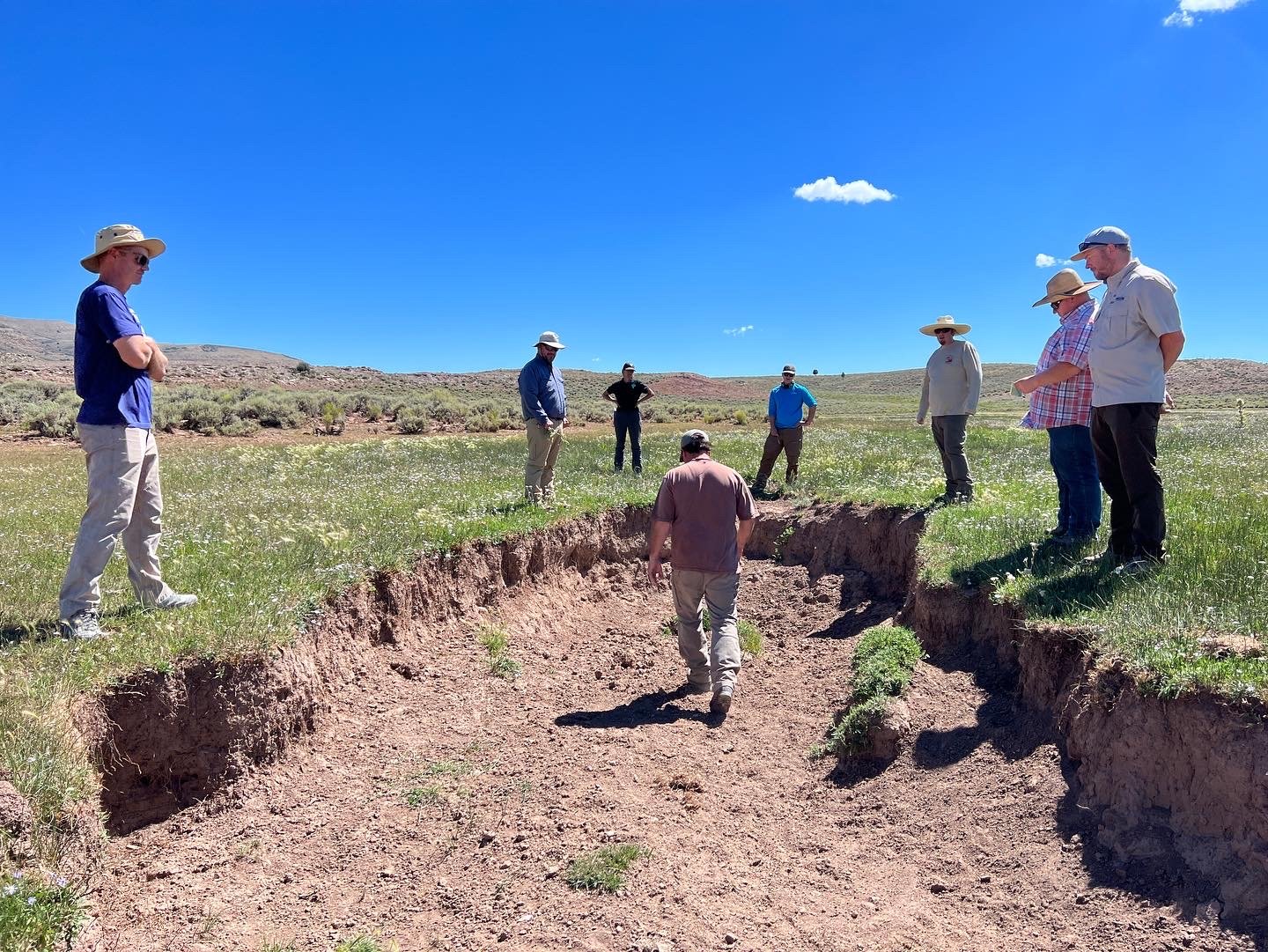
Thank you for attending this virtual workshop! If you missed this live event, please see all of the recorded modules below. Wet or mesic meadows are rare but disproportionately important ecosystems in Utah. Gully erosion and channel incision are widespread problems reducing natural resiliency and water storage capacity, which is impacting wildlife and working lands.…
-
·
Utah Low-Tech Restoration Resources
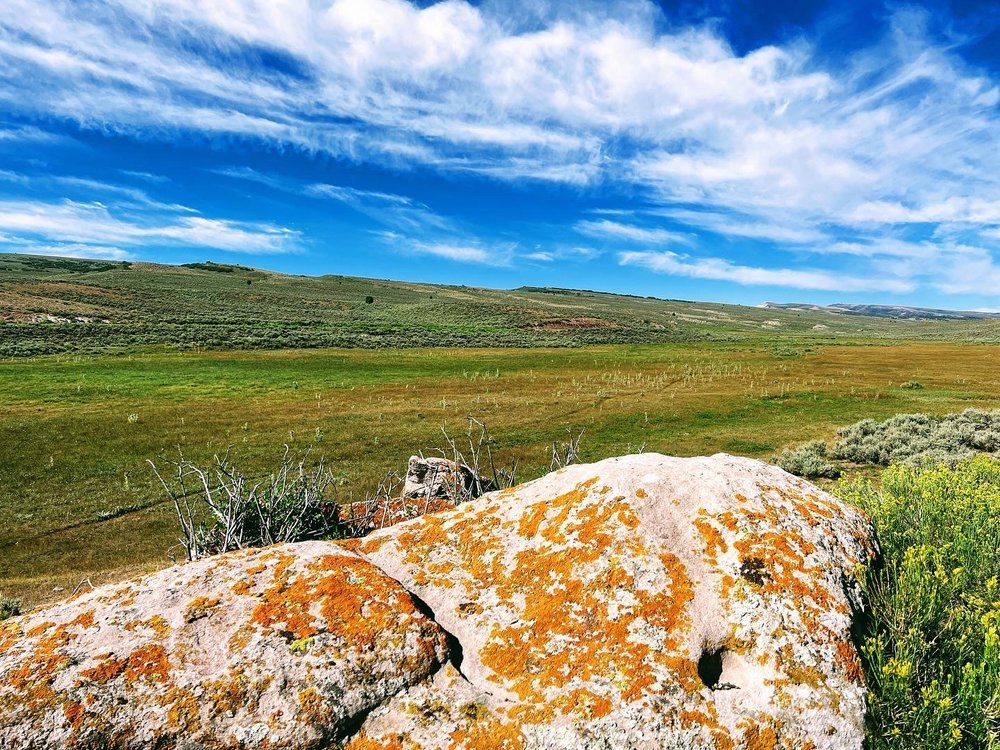
Webinar Powerpoint & Presentation Material Zeedyk Planning and Technique Resources Mapping Tools Example Environmental Assessments (EAs) People and Places Videos
-
·
New Report: Improving Climate Resilience of Persistent Pinyon-Juniper Woodlands
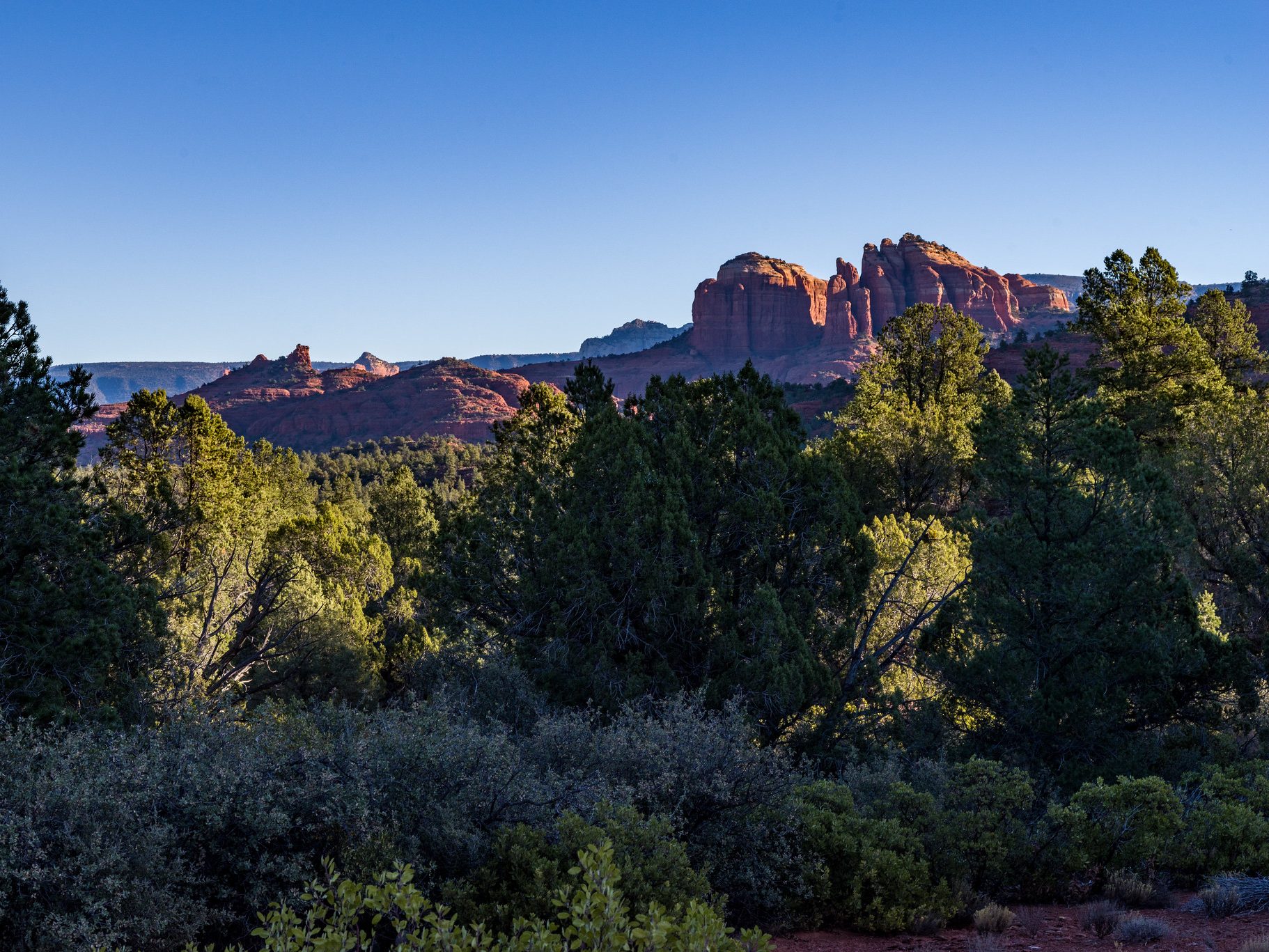
As climate change increasingly shapes western ecosystems—with events from frequent and severe wildfires to enduring droughts—managers need evidence-based approaches they can rely on to strengthen ecosystem climate resilience into the future. Pinyon-juniper woodlands are ubiquitous across the Intermountain West and important to many–from Tribal Nations and recreationists to pinyon jays and mule deer. However, concern…
-
·
New Study: Vegetation Trends Across BLM Allotments Over 30 Years
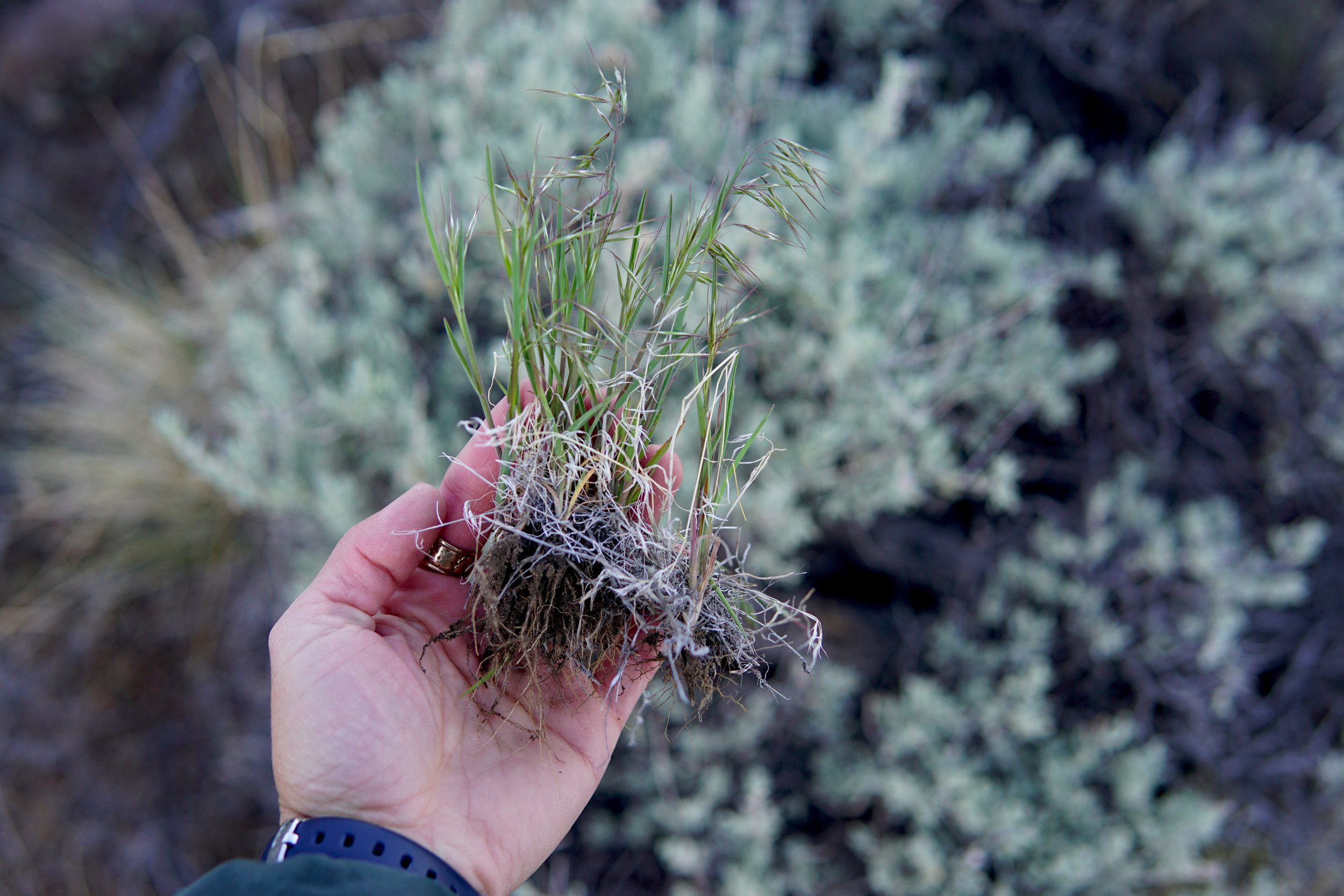
Keeping a close eye on plant life across millions of acres of public lands allotments is an overwhelming challenge in and of itself. The challenge is amplified by drought, aridification, and increasing environmental as well as social challenges. Yet, new research provides land managers insight into just how they can get a handle on how…
-
·
Intermountain Insights: Wetland Loss in the Pacific Flyway
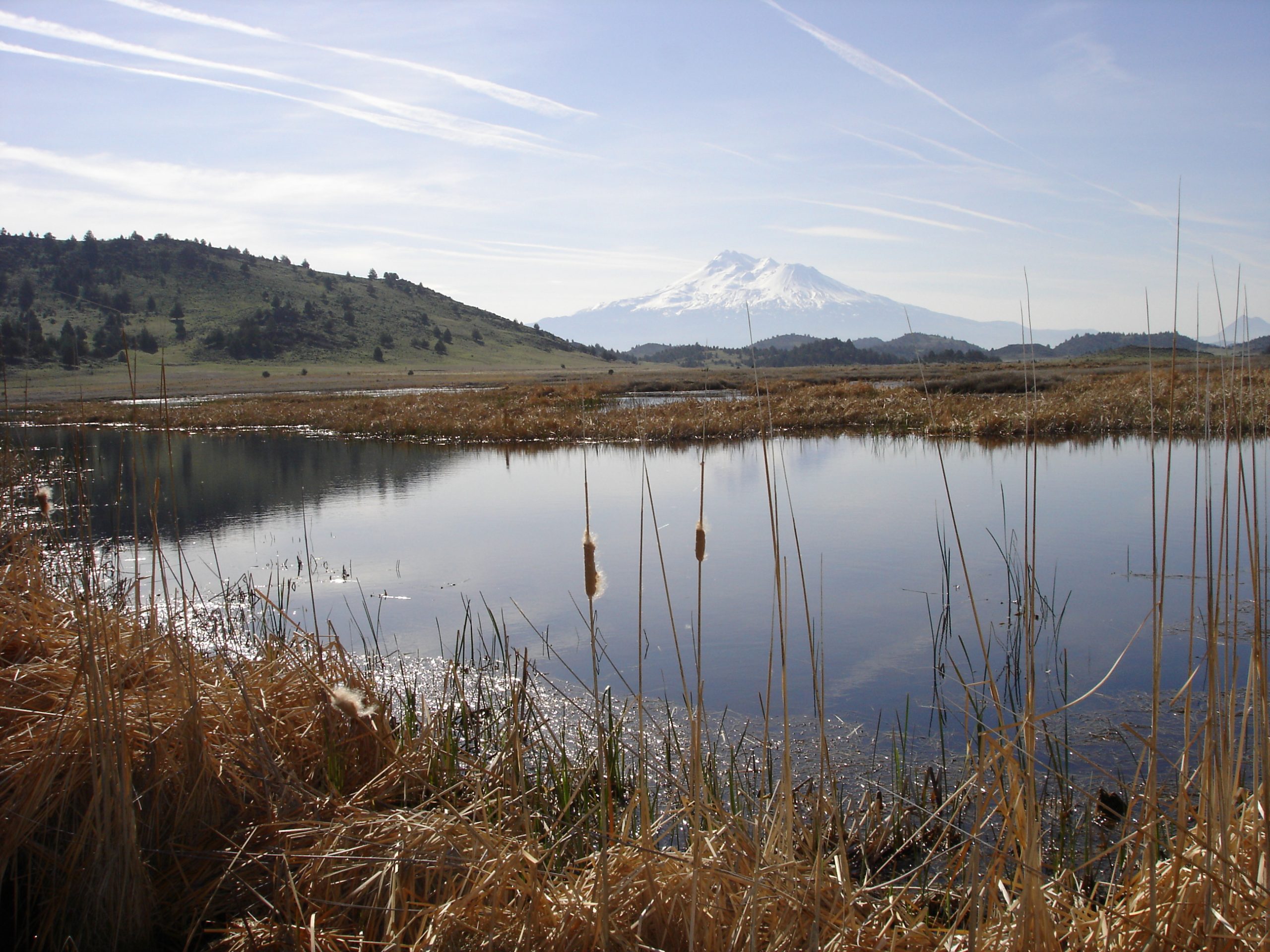
A study from the Intermountain West Joint Venture and partners, Functional wetland loss drives emerging risks to waterbird migration networks, identified trends of severe wetland drying in the Southern Oregon Northeastern California (SONEC) region and California’s Central Valley, two of the most significant sites for migratory waterbirds in the Pacific Flyway. The good news? Managers can…
-

·
Meet the Team Bringing Solution-Based Science to Ground-Level Action
The IWJV constantly strives to connect the best and latest science to our partners in the field. That’s why we’re excited to announce the formation of our new Science to Implementation team to help do just that. What is Science to Implementation? Science and land management are two complex worlds that often become disconnected. Bridging…
-
·
Intermountain Insights: White-Faced Ibis and Water in the West
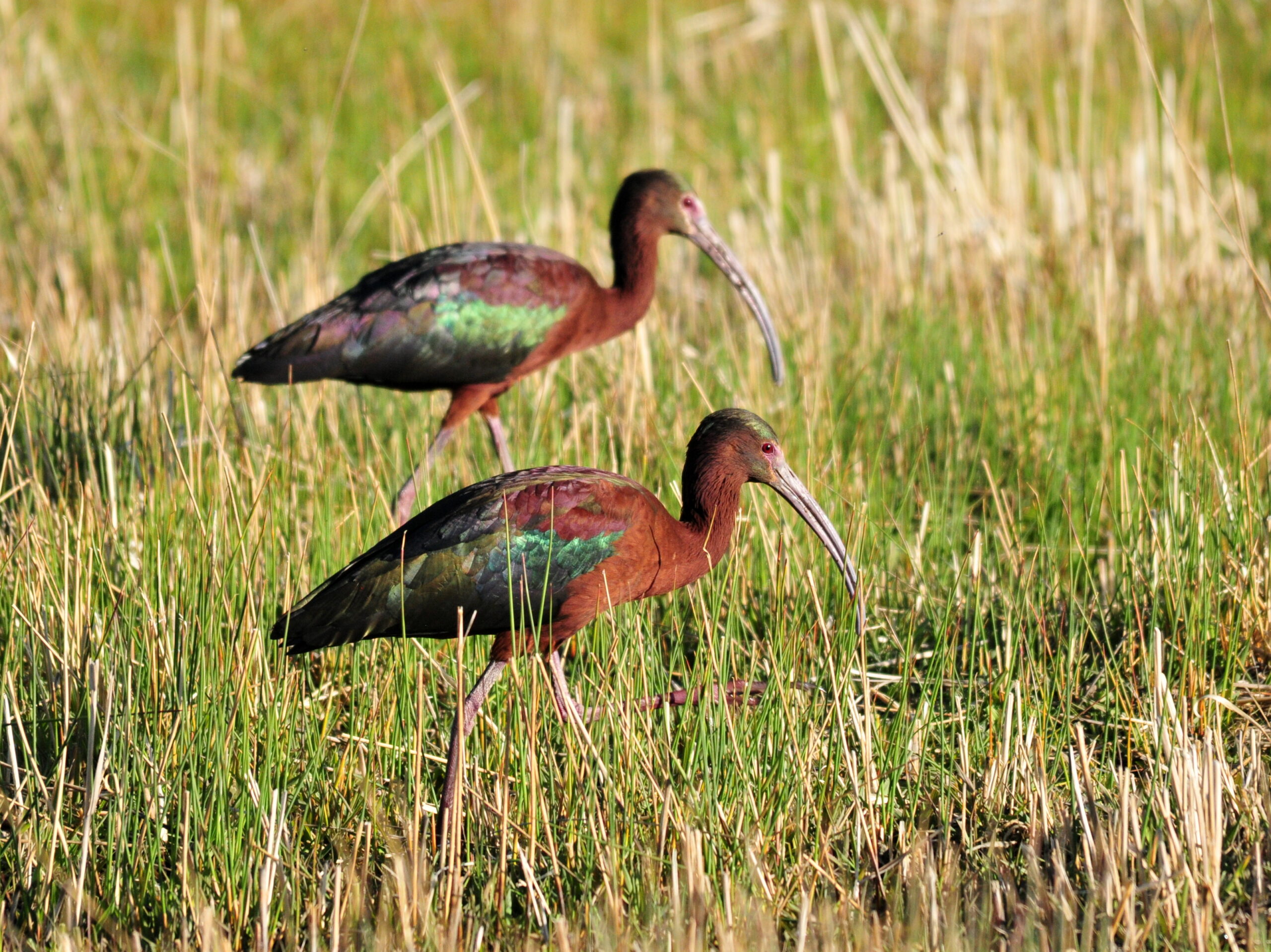
This Intermountain Insights takes a look at a fascinating study on white-faced ibis and its implications for the conservation of wetlands in the Intermountain West. Researchers from the University of Montana and the Intermountain West Joint Venture conducted the first-ever long-term monitoring of white-faced ibis breeding habitat. Using satellite imagery, they estimated seasonal flooding across…
-
·
Science to Action: Takeaways from IWJV’s “Storing Carbon in Sagebrush Rangelands” Report
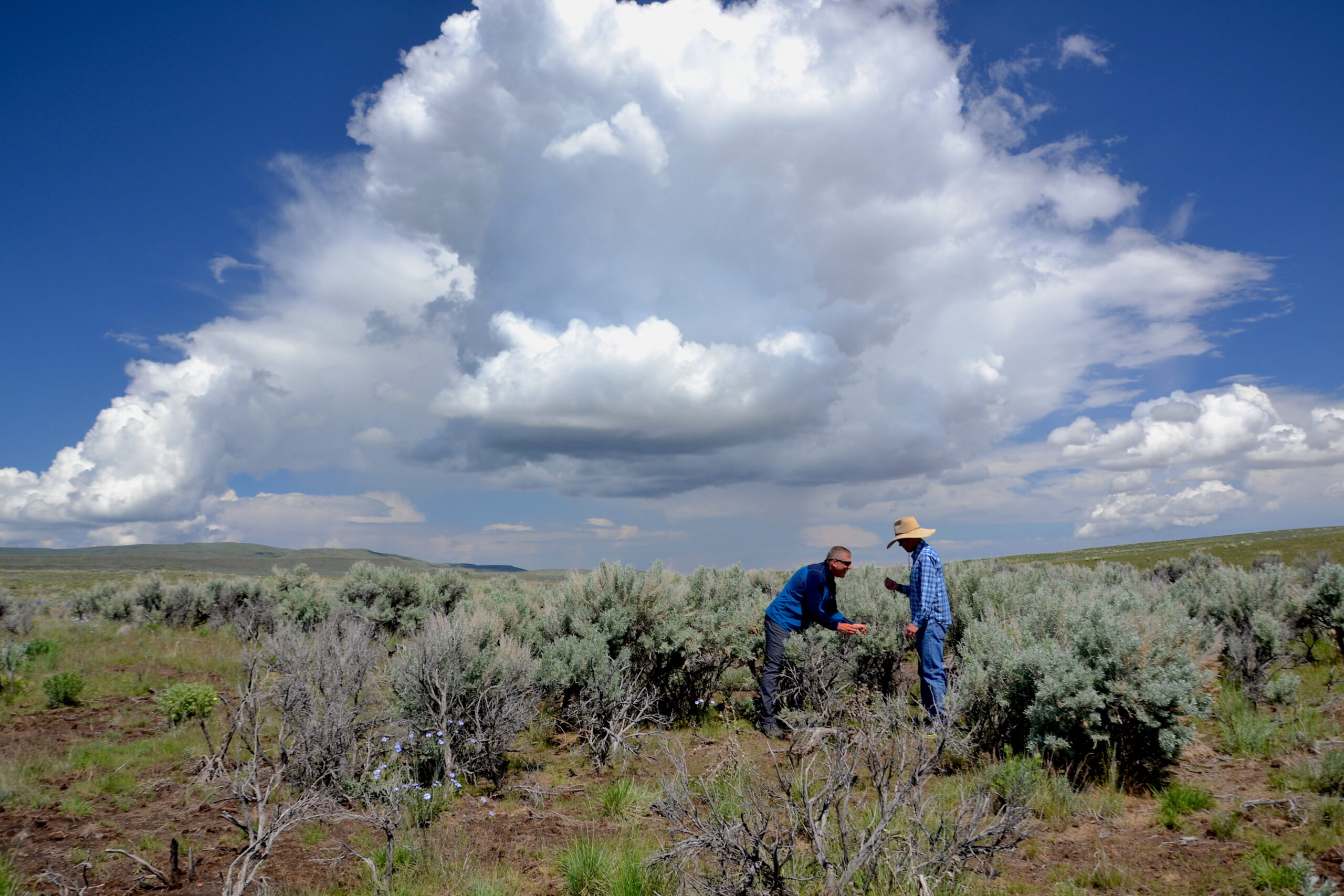
Carbon sequestration is a topic circulating widely throughout the conservation community. Rangelands are coming into the carbon spotlight due to their sweeping extent and because they store relatively more carbon in soils than forests. The importance of keeping carbon out of the atmosphere is widely understood, but breaking down knowledge on how to protect carbon already stored…
-

·
Zeedyk Wyoming Workshop
Introduction to Low-Tech Wet Meadow Restoration Format: Free, virtual & recorded workshop Audience: Wyoming land managers and partners Hosted by: Natural Resources Conservation Service (NRCS) and Intermountain West Joint Venture (IWJV) Wet or mesic meadows are rare but disproportionately important ecosystems in Wyoming. Gully erosion and channel incision are widespread problems reducing natural resiliency and water…
