-
·
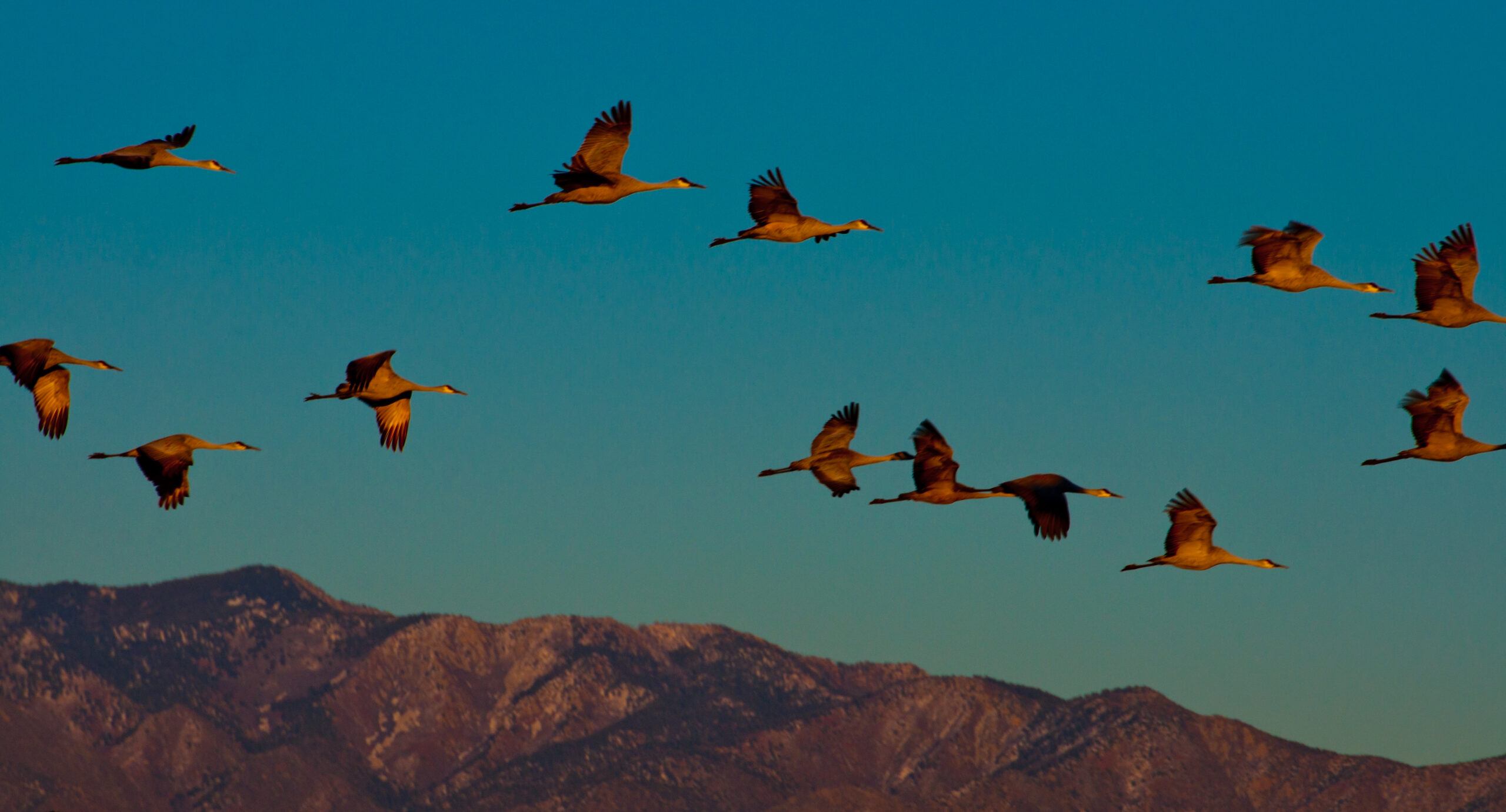
Intermountain Insights: The Call of the Cranes
Greater sandhill cranes rely on wetland habitat on private and public land throughout the West as they migrate to and from wintering and breeding grounds each fall and spring. New science from the Intermountain West Joint Venture (IWJV) identifies the landscapes and wetland sites most important to sustaining these seasonal migrations. The paper, Migration efficiency…
-
·
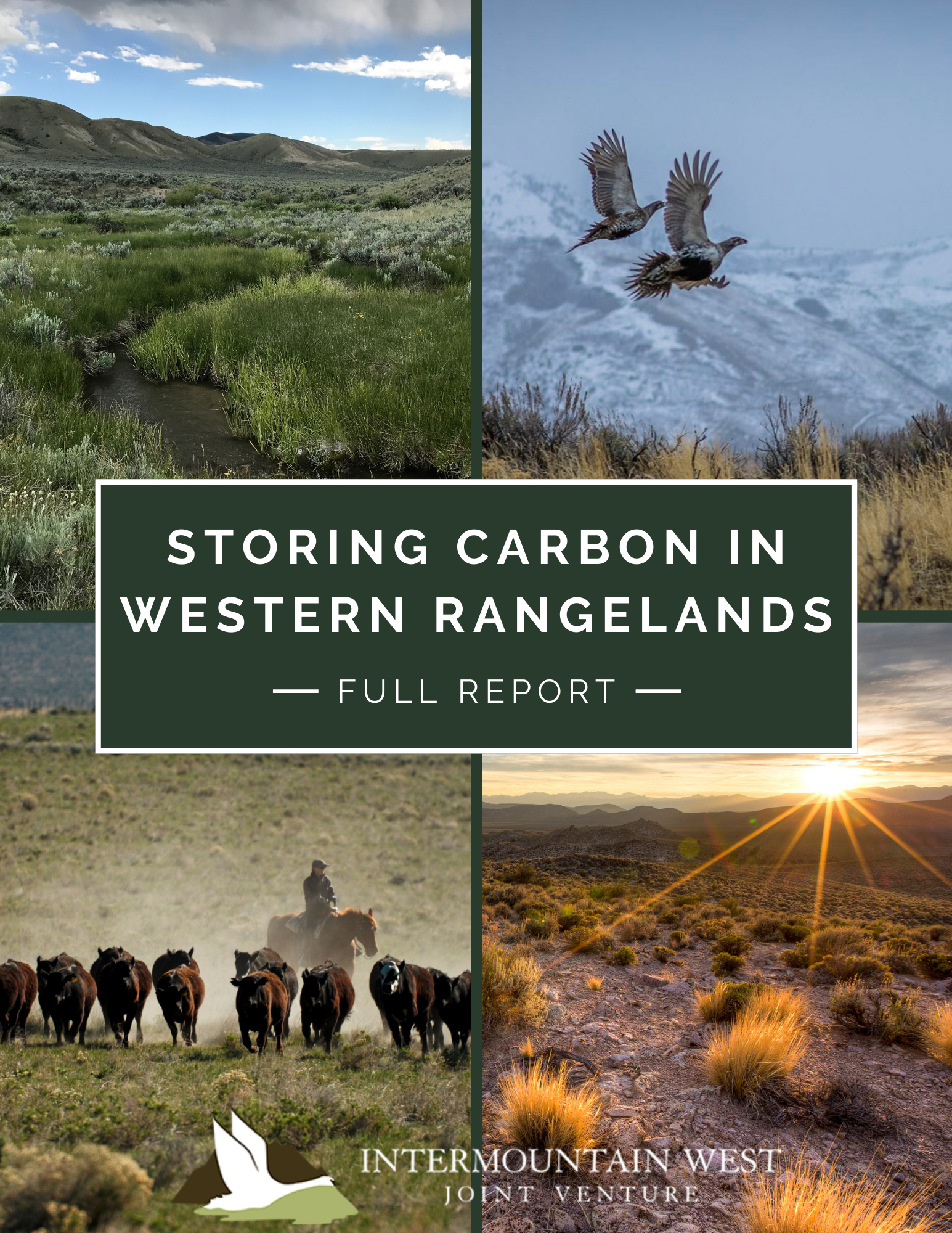
Protecting Carbon Stored in Western Rangelands
Western rangelands and grasslands are being recognized for their ability to protect stored carbon long into the future. Rangelands are vast and store over 25% of carbon found in western ecosystems. As the climate warms and the west experiences more extreme weather events like drought and fire, as well as landscape-scale changes like conifer expansion…
-
·
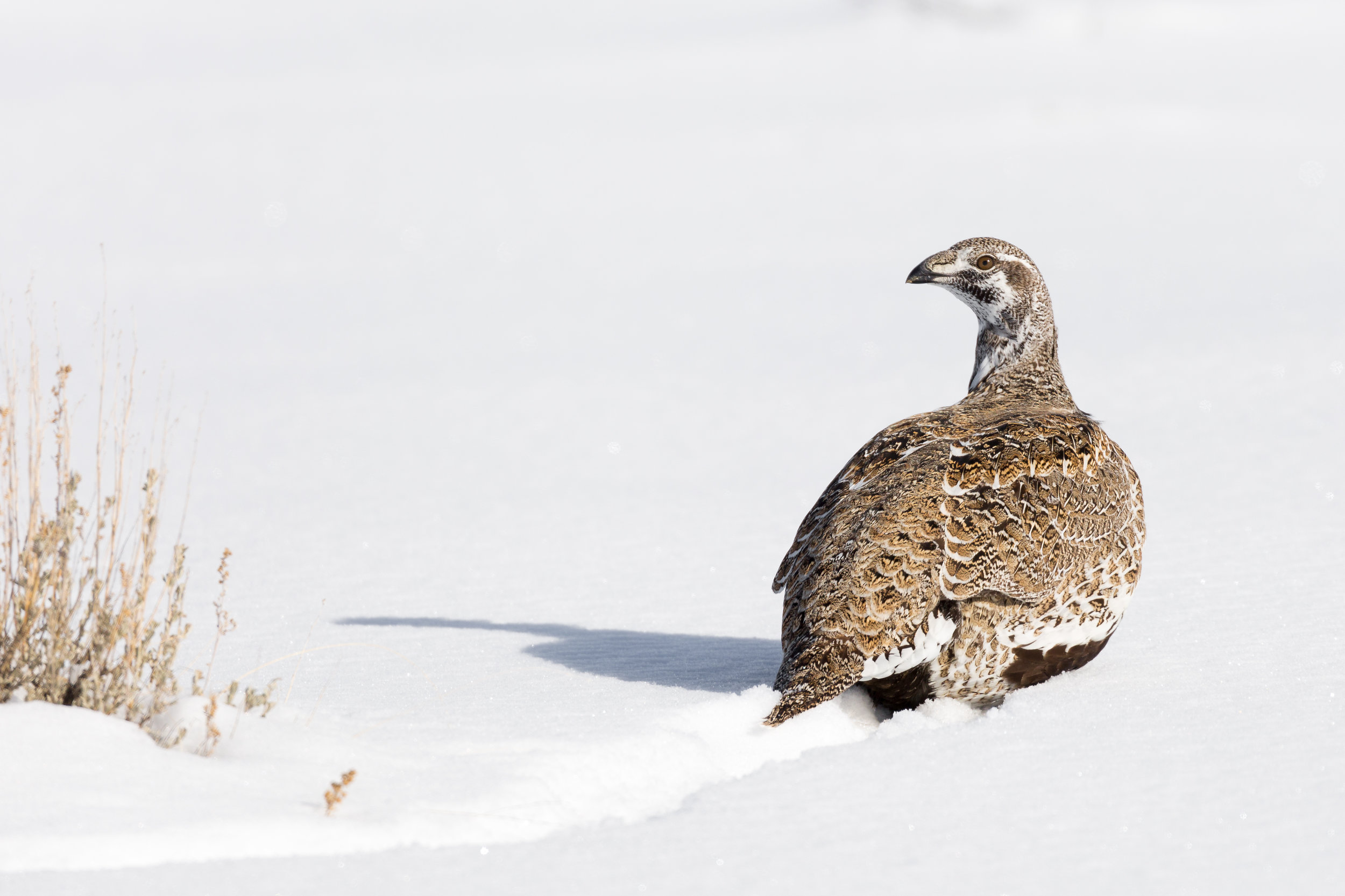
Resilient Landscapes Resource List
Find More Sagebrush Conservation Resources Below Guiding Strategies and Frameworks The resources below are valuable assets for the Intermountain West Joint Venture, used to advance sagebrush conservation goals and guide our work with stakeholders throughout the Intermountain West. These resources will be updated to reflect the latest version of each strategy or framework. Fact Sheets…
-
·
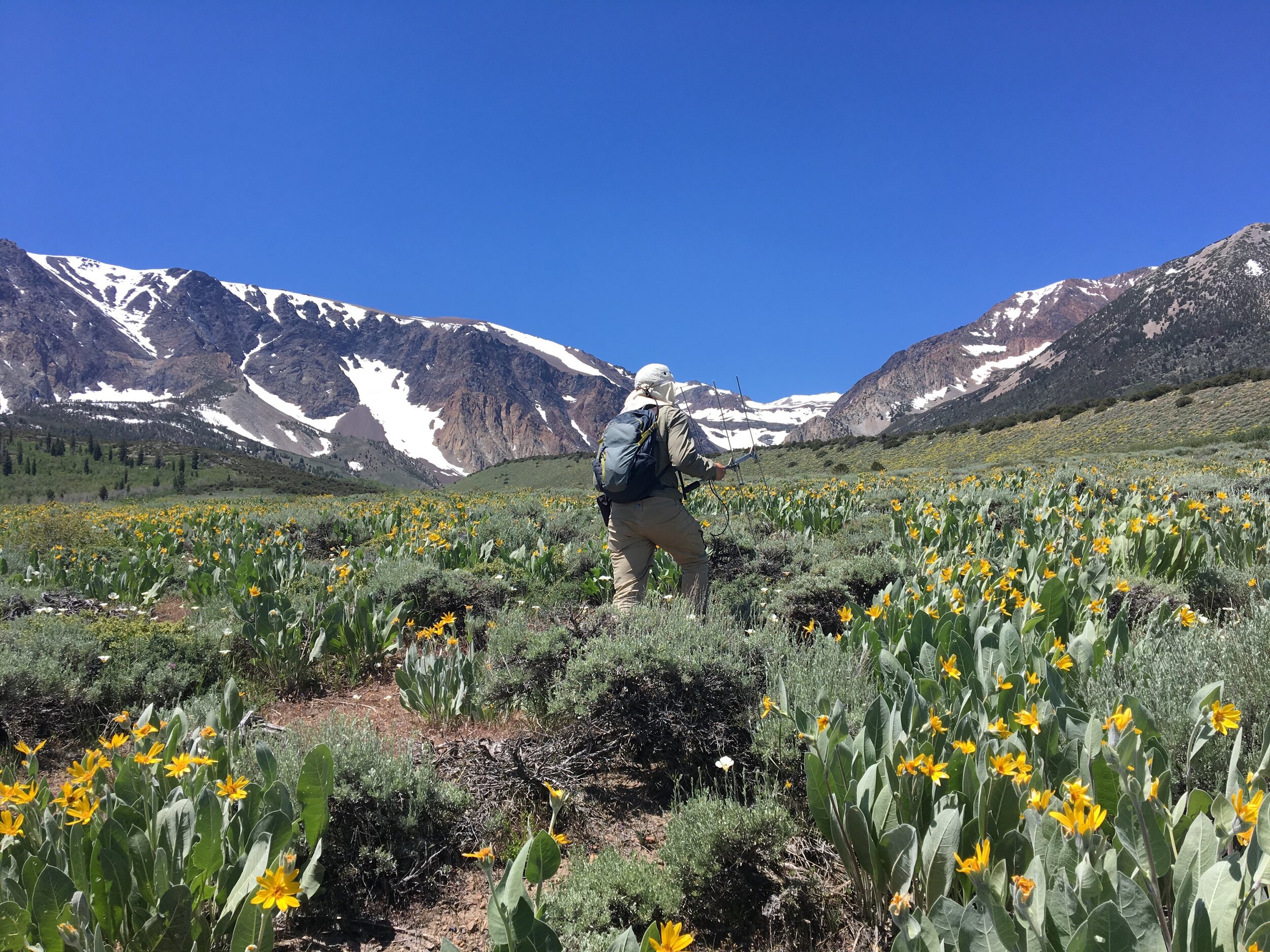
What Are Integrated Population Models?
This article breaks down population dynamics and how this tool informs conservation management action for the Bi-State Sage-grouse. By Amy Sturgill, Bi-State Sage-Grouse Data and Communications Coordinator Bi-State Sage-grouse are a geographically isolated and genetically distinct population of Greater Sage-grouse, found along the California-Nevada border in the southwestern extent of the species’ range. Known as…
-
·
Pacific Flyway Integrated Landscape Conservation
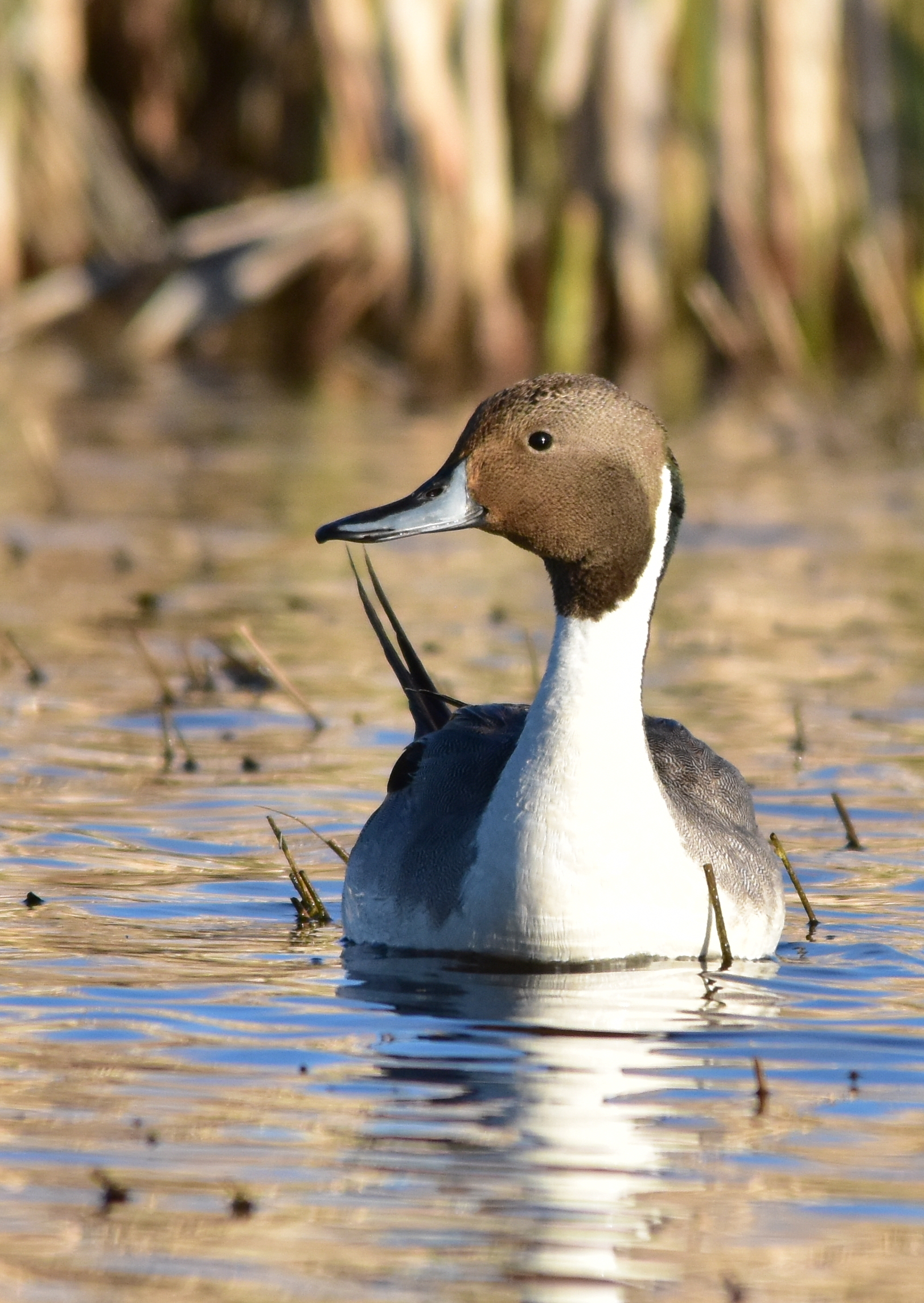
This report details the development of new science to support cross IWJV and Central Valley Joint Venture conservation planning and implementation. Work will identify emerging ecological bottlenecks by examining long term effects of climate change and land use practices influencing patterns of wetland resiliency and waterbird habitat availability supporting populations in the Pacific Flyway. This science project…
-

·
SONEC: Dynamic Wetland Resources
The availability of surface water and wetland resources are highly dynamic in the western US. Until recently, broad-scale efforts to conserve wetland habitats for migratory birds have been unable to account for patterns of seasonal wetland dynamics that link the timing of wetland availability (i.e. flooding) to the chronology of bird migrations through landscapes. To…
-
·
Effects of Irrigation Efficiency Improvements at Multiple Scales
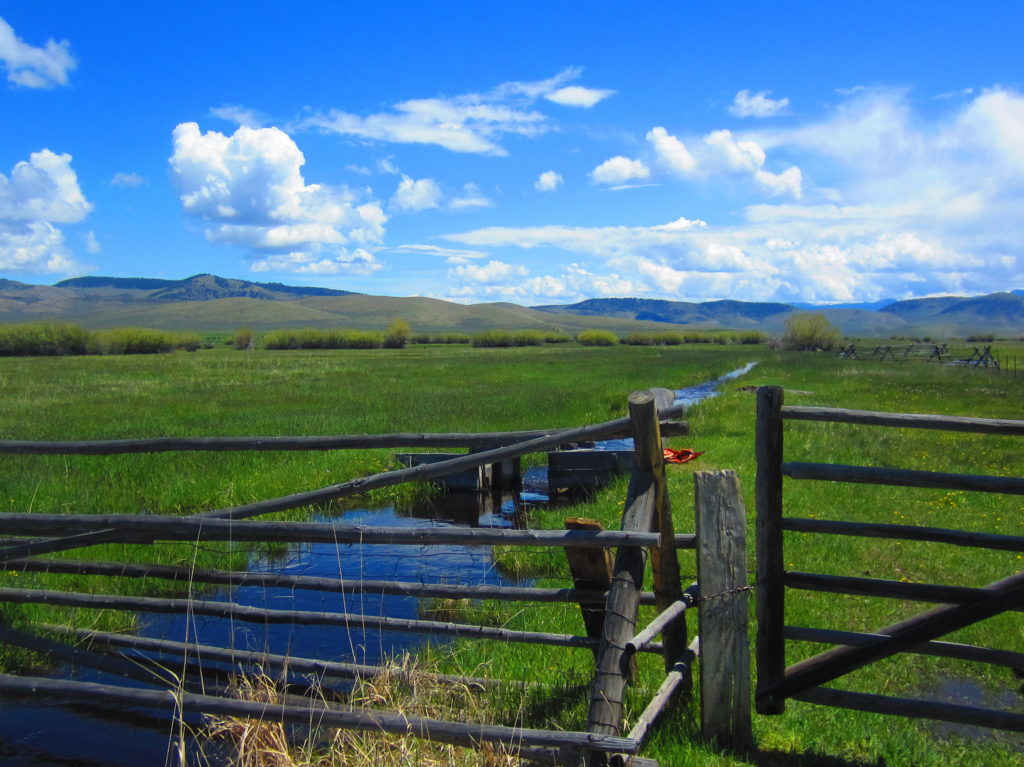
The Intermountain West is mostly publicly owned but approximately 70% of its emergent wetlands occur on private land. These privately-owned habitats are typically associated with irrigated agriculture on working ranches and farms in landscapes important to wildlife, native fish, and people. Webinar: Effects of Irrigation Efficiency Improvements at Multiple Scales
-

·
What is NAWCA? And is it Right for Your Project?
If you have questions about the North American Wetlands Conservation Act (NAWCA) and its Standard and Small Grants programs, here’s a decision-making tool that will help you learn a little more. NAWCA was signed into law in December of 1989 as a new continental conservation funding mechanism and has played a critically important role in…
-

·
Conservation of New Mexico’s riparian and wetland ecosystems
This is a proposal for science monitoring seasonal surface water availability in New Mexico. New Mexico Wetlands Proposal Despite encompassing a small fraction of the landscape (< 2%), riparian systems in arid regions act as keystone features that concentrate biological diversity. These habitats are particularly important to waterbirds during migration and act as critical resting…
-

·
The Conifer Conundrum
Pushing Back Problem Trees in Montana Grasslands and Rangelands Article by Hannah Nikonow and Emily Downing, IWJV Communications Specialists Forests are changing across the West. Fires are an integral part of the health of forested landscapes but humans are pretty good at putting them out to protect lives, economies, and infrastructure. In Montana’s Blackfoot Valley…
