-

·
Intermountain Insights: Working Science for Working Landscapes
Agriculture and human settlement have long been tied to ecologically important wetland and riparian resources and the water they provide. For over one hundred years, this pattern has concentrated private land ownership in the West’s river bottoms and valleys, areas that are surrounded by publicly-owned sagebrush rangelands and forests. Those private lands account for only…
-
·
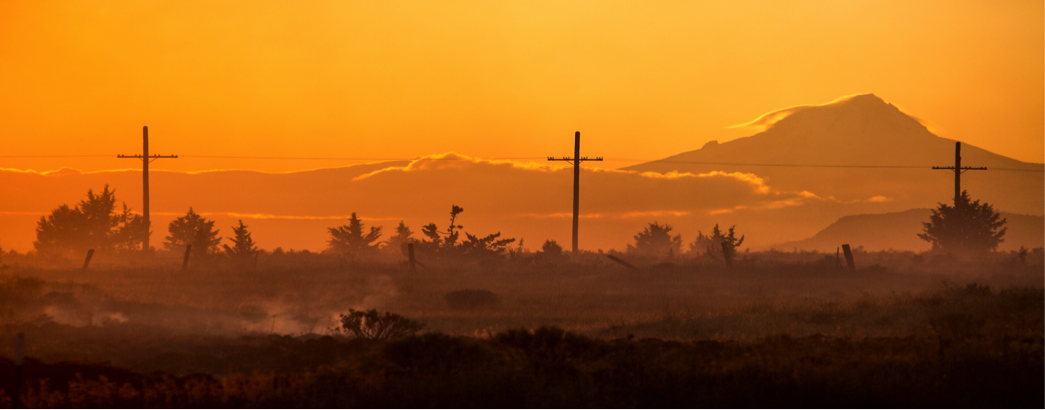
SageCon Invasives Initiative: Hot on the Horizon in Oregon’s Rangelands
The wildfire and invasive fuels problem will not be solved in silos around the West. The Oregon-based Sage-Grouse Conservation Partnership (known as SageCon) launched its Invasives Initiative to strategically link local and regional invasive grass efforts. “Working with noxious weeds is like a bare-knuckled bar brawl. Some years you gain ground, others you get beat,…
-
·
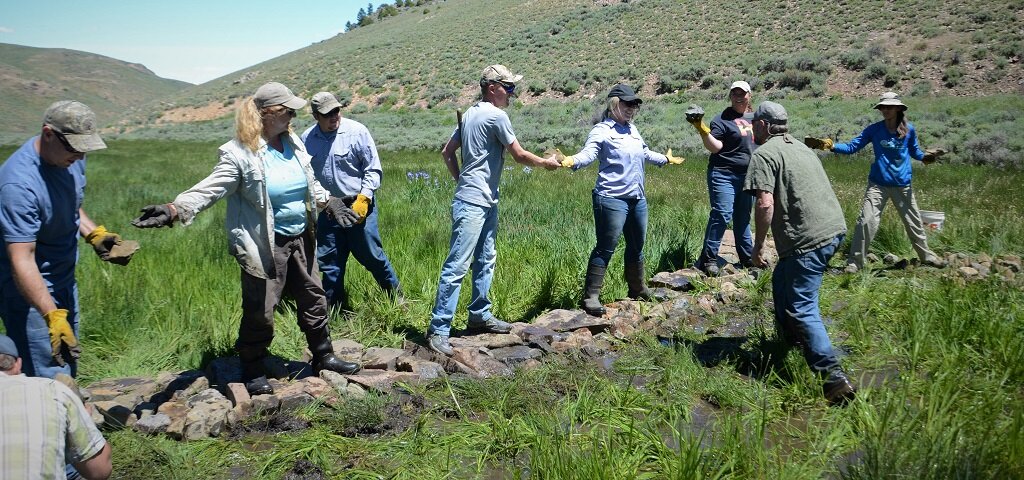
Low-Tech Wet Meadow Restoration: Reading the Landscape
Webinar Co-presenters: Shawn Conner, Restoration Ecologist, BIO-Logic, Inc., Montrose, CO Jeremy Maestas, Ecologist, USDA-NRCS, Portland, OR Host: Mandi Hirsch, Sagebrush Collaborative Conservation Specialist, Intermountain West Joint Venture, Lander, WY Wet or mesic meadows are rare but disproportionately important habitats within western rangelands. Gully erosion and channel incision are widespread problems reducing natural resiliency and water…
-
·
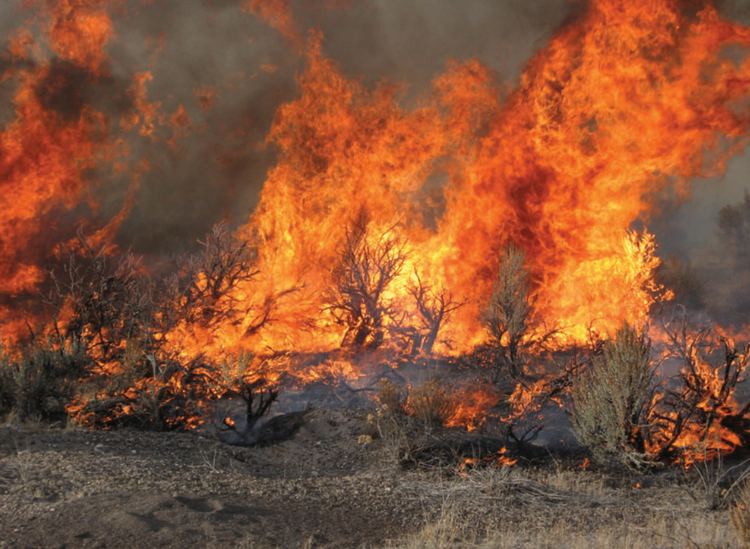
Why is Sagebrush Country on Fire?
Through SageWest, a sagebrush communications network, Audubon and Intermountain West Joint Venture partnered with the Bureau of Land Management in offering a 1-hour webinar presentation on June 3rd, 2020, titled “Why is Sagebrush Country on Fire?” Thank you to everyone who participated, we had a great turnout with folks ranging from policy-makers to practitioners in this field to those…
-

·
More Menace Than Cheatgrass?!
The following article is by Bebe Crouse, Communications Director for The Nature Conservancy in Montana and Wyoming, with contributions from the Intermountain West Joint Venture. “It’s like a horror film!” That’s the way The Nature Conservancy’s northeast Wyoming program director Carli Kierstead describes the rapid spread of two invasive annual grasses. What started as a…
-

·
Intermountain Insights: Maintaining Resiliency of Continental Waterbird Flyways
Waterbirds in the Intermountain West rely on a limited number of important wetland sites as they migrate hundreds of miles between breeding grounds in the north and wintering grounds in the south. This network of wetlands is vital for resting and refueling on these long journeys. What is more, these sites are also important centers…
-
·
Nevada Seed Strategy
Vision: Keep Nevada lands diverse and functioning by using the right seed in the right place at the right time. Mission: We are a partnership helping Nevada increase the availability of locally adapted seed to restore diverse plant communities and sustainable landscapes. The Nevada Seed Strategy (Strategy), prepared by the Nevada Native Seed Partnership, aims…
-

·
Growing and Obtaining Native Seed
With the increasing frequency and intensity of wildfires, demand for native seed for use in restoration projects has increased. The current supply is not enough to fulfill all needs, thus creating opportunities for new producers and collectors. Buying & Obtaining Seed Click here for a guide on buying native seed in Nevada to understand the…
-
·
Nevada Native Seed Forums
Nevada Native Seed Forums The Nevada Native Seed Partnership hosts the annual Nevada Native Seed Forum (Forum). This event typically rotates through regional areas of Nevada to allow for diverse, statewide participation. The Forum brings federal land management agencies, state partners, current seed producers, prospective seed producers, seed collectors, conservation groups, and seed buyers together…
-
·
Nevada Native Seed Partnership
The Nevada Native Seed Partnership (NNSP) is a coalition of agencies and organizations in Nevada that work together with the vision of keeping Nevada lands diverse and functioning by using the right seed in the right place at the right time. By implementing the Nevada Seed Strategy, the NNSP’s mission is to increase the availability…
