-
·
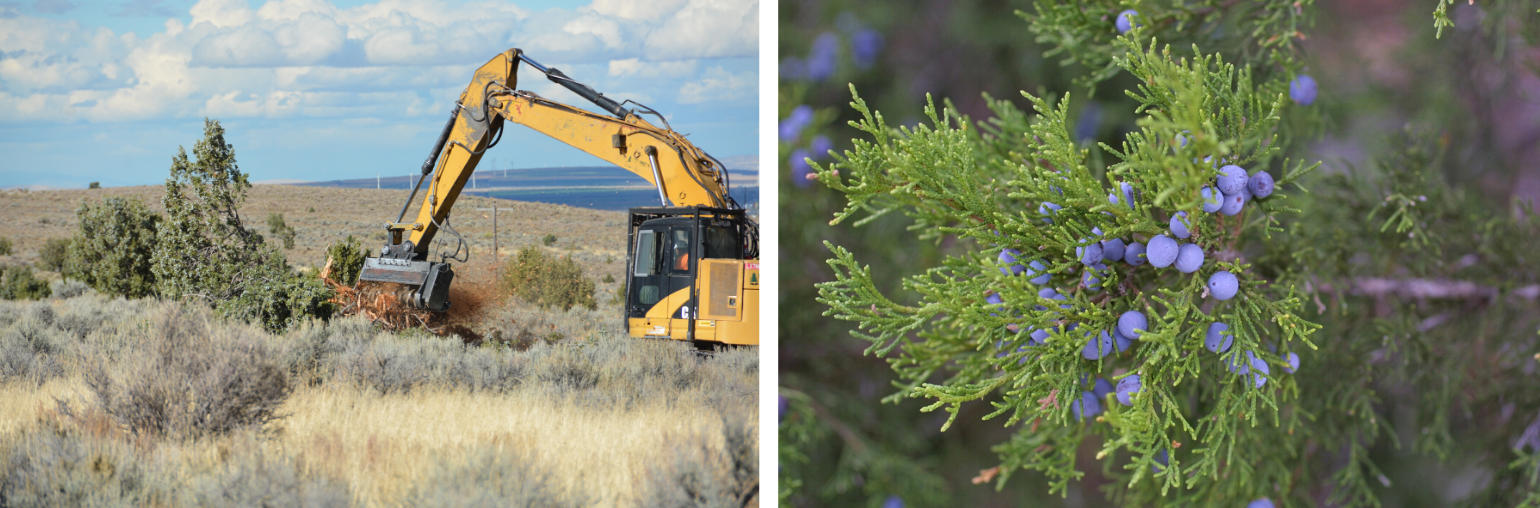
Webinar Series: Pinyon-Juniper Woodlands and Management
Join us April 15 and May 27 for a Pinyon-Juniper Woodland Management Webinar Series. These communications represents a joint effort of the Great Basin Fire Science Exchange, Intermountain West Joint Venture, and the Society for Ecological Restoration, Great Basin Chapter. Find summaries of these talks below as well as links to register to participate. New tools…
-
·
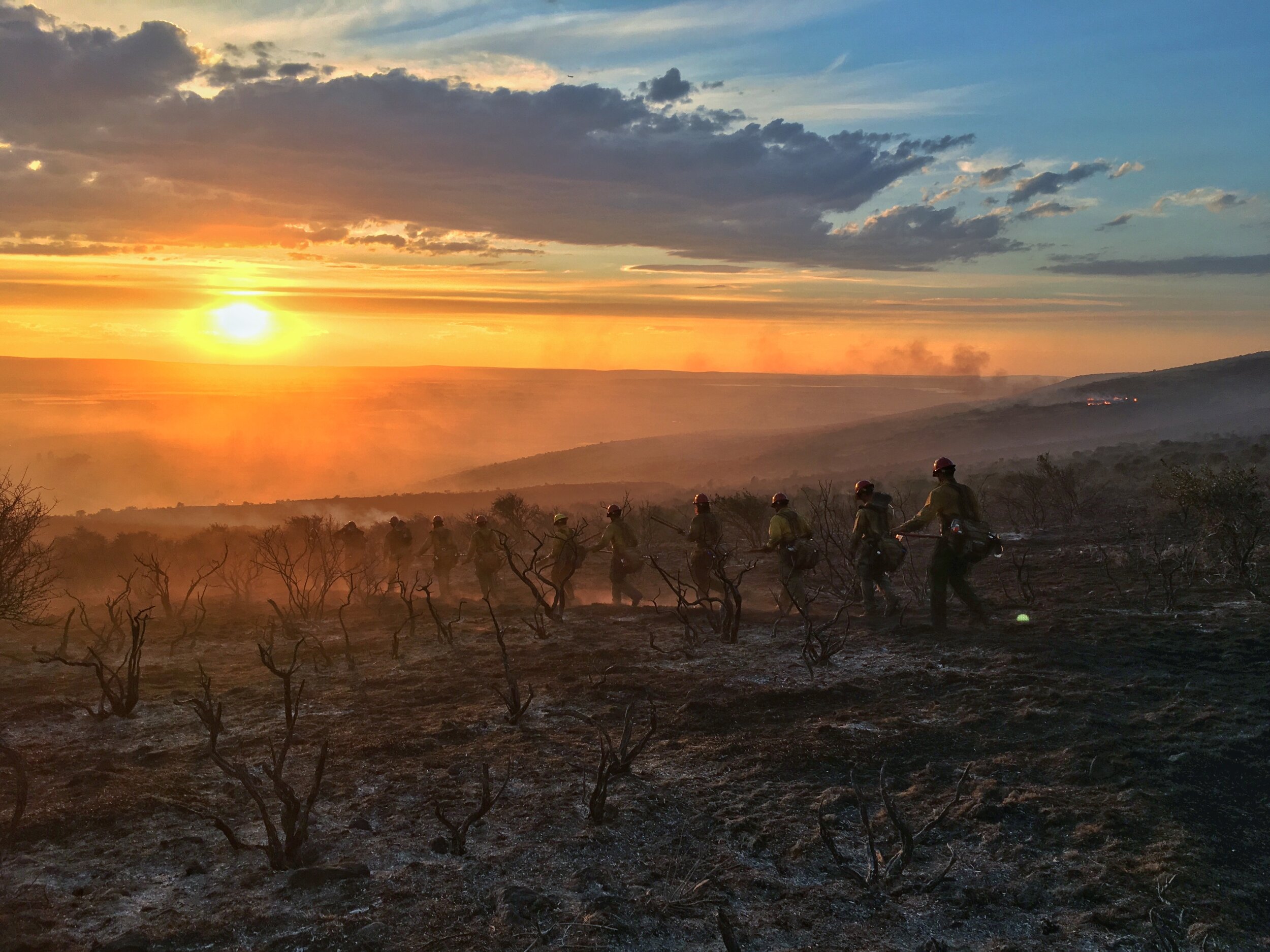
Invasives and Rangeland Wildfires: What We Want To Do About It
“Fire and Invasives is the paramount conservation issue facing the West. We are losing the sagebrush ecosystem. With science, collaboration and funding there is still hope.” — San Stiver, WAFWA Sagebrush Initiative Coordinator Sagebrush rangelands once covered nearly 250 million acres in western North America. Today, this landscape has been reduced to half its original…
-

·
Intermountain Insights: Digging Deeper into Flood Irrigation
Western ranchers’ perspectives on enablers and constraints to flood irrigation (journal article) Flood irrigation on private rangelands maintains many wetland systems, which were historically dependent on natural flooding. It also sustains valuable wildlife resources such as foraging habitat for migrating and breeding waterbirds and late summer brood-rearing habitat for sage grouse. In the Intermountain West,…
-

·
Managing Wet Areas on Agricultural Lands Handbook
The San Luis Valley Wetland Focus Area Committee (FAC) is pleased to help support the development and production of this booklet promoting management of wetlands, riparian areas, and agricultural areas towards a better and healthier ecosystem. The FAC is a group of people from various wildlife, water, and land agencies, non-profit organizations and interested citizens.…
-
·
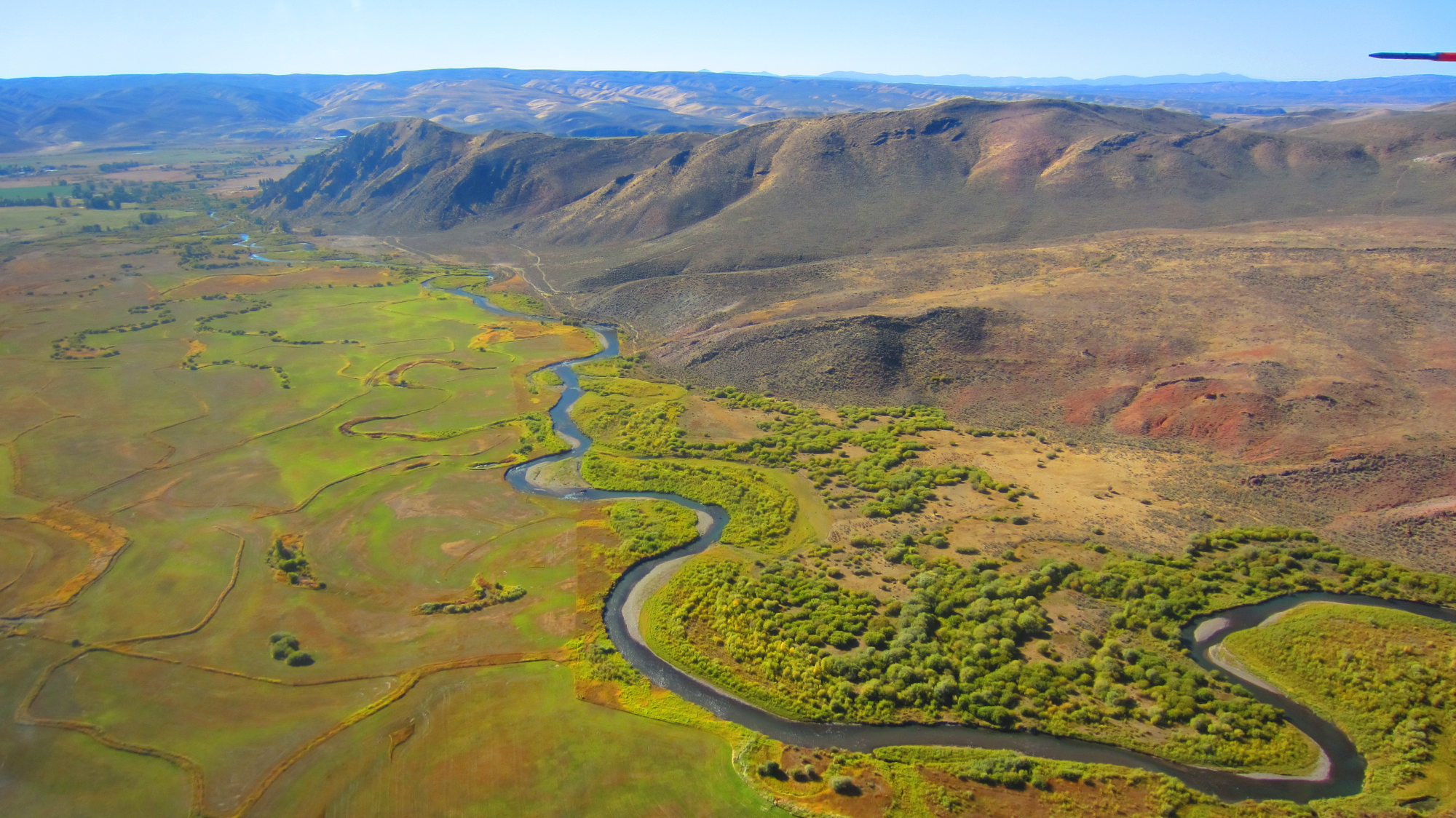
Gambling Grouse: Private Wet-Meadows or Public Mesic Rangelands
Article by John Carlson, Sage-Grouse Implementation Lead for the Montana/Dakotas Bureau of Land Management; Patrick Donnelly, IWJV Spatial Ecologist, and Hannah Nikonow, IWJV Sagebrush Communications Specialist The perils of sagebrush country are extreme for young sage-grouse chicks. After hatching, the hen quickly marches her brood of four-inch-tall camouflaged fluffballs with toothpick legs away from the…
-

·
Social Science Report on Sagebrush Conservation Needs
Over the last several decades, scientists have significantly advanced understanding of ecological processes and biophysical components within sagebrush ecosystems. These advances provide a strong scientific basis for informing management and conservation efforts. There is a growing recognition that people are critical to the health of the sagebrush ecosystems through the decisions they make, but the…
-
·
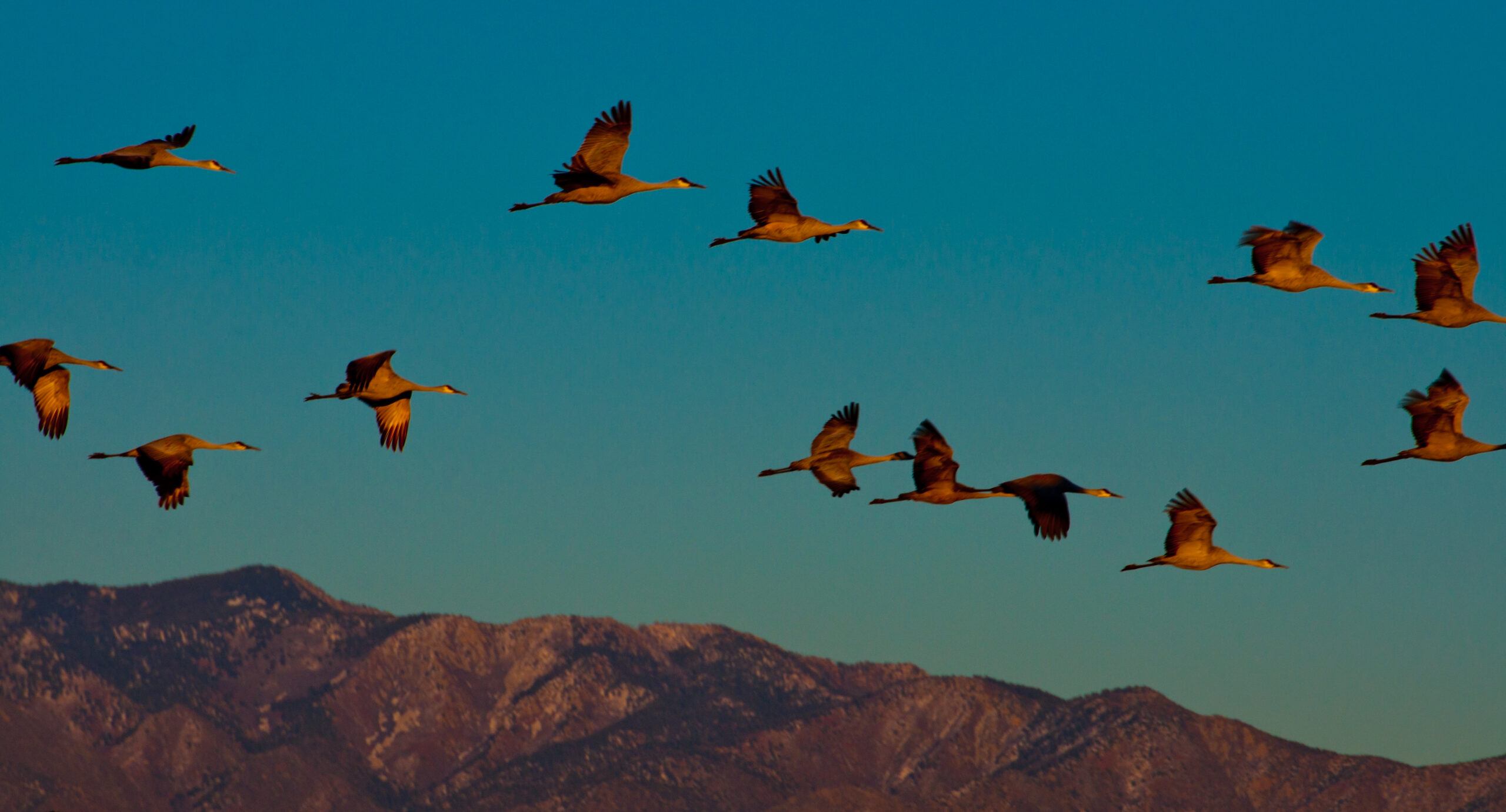
Greater Sandhill Crane Habitat Initiative
This plan is a continuation of 2012 science planning, characterizing the scope and context of the Intermountain West Joint Venture’s (IWJV) science investments. This initiative is intended to serve as an important catalyst and complement to partner efforts in filling critical, broad-scale information needs for wetland birds throughout the Intermountain West. Access this document here.
-
·
Outcome-based Evaluation of Conifer Removal in Lakeview, Oregon
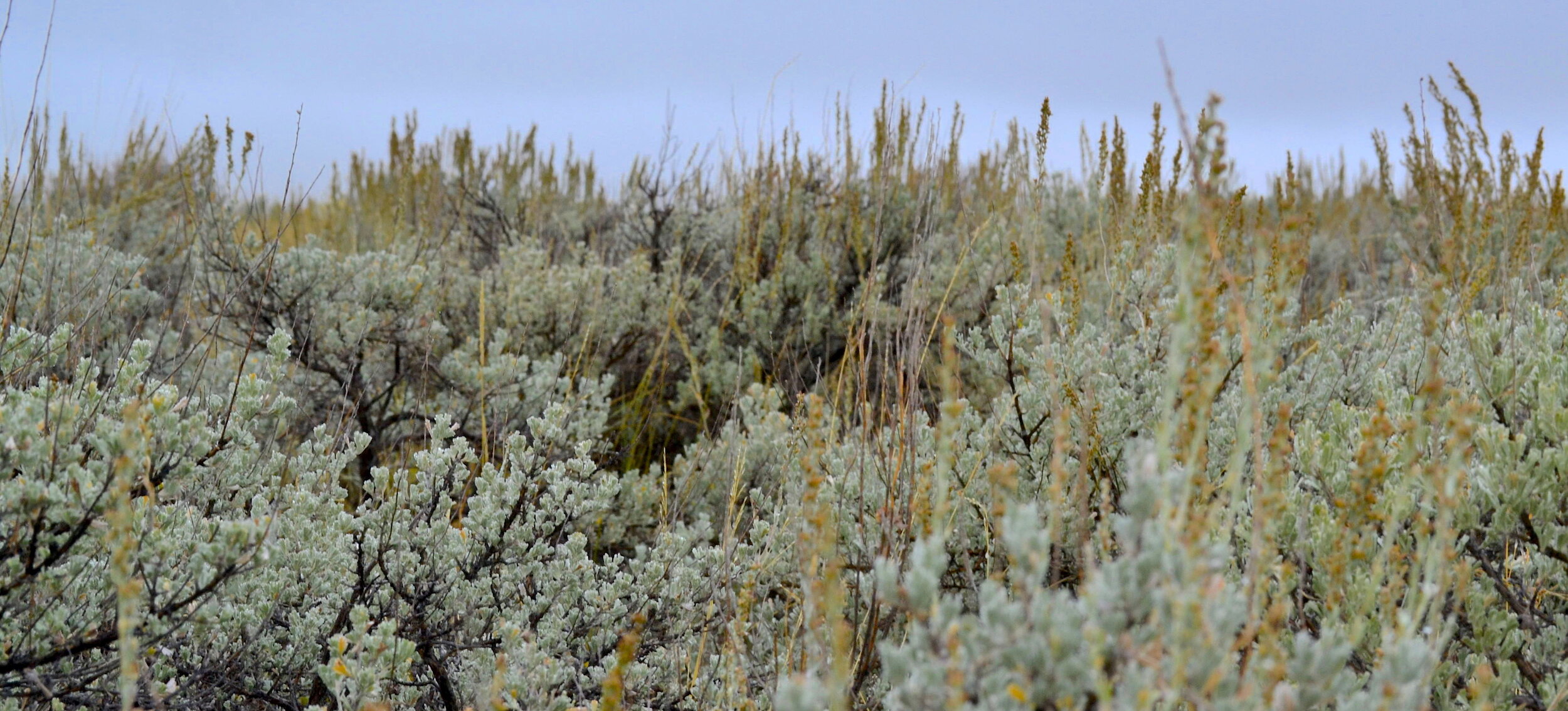
The overall objective of a study conducted by Oregon State University and partners has been to expand the existing database and provide a longer-term assessment of the effects of juniper removal on sage grouse habitat use and demography. The specific objectives that have reached conclusion are: 1) modeling of sage grouse habitat selection during nesting…
-

·
Putting the Science to Work
In the following essay you hear from the lead editor of the Science Framework for Conservation and Restoration of the Sagebrush Biome, Part Two: Management Applications. This story summarizes the recently released framework that provides management approaches for applying science and prioritization to sagebrush habitats. By Michele Crist, Landscape Ecologist for the Bureau of Land…
-

·
IAG Datasets Assessment Project
Across the West, invasive annual grasses are a major threat to sagebrush rangelands, impacting plant communities, wildlife habitat, and wildfire risk. Numerous spatial datasets mapping invasive annual grasses exist; however, land managers often struggle to identify which of these spatial products are most relevant to their work, or are unaware that these resources exist at…
